How We Picked
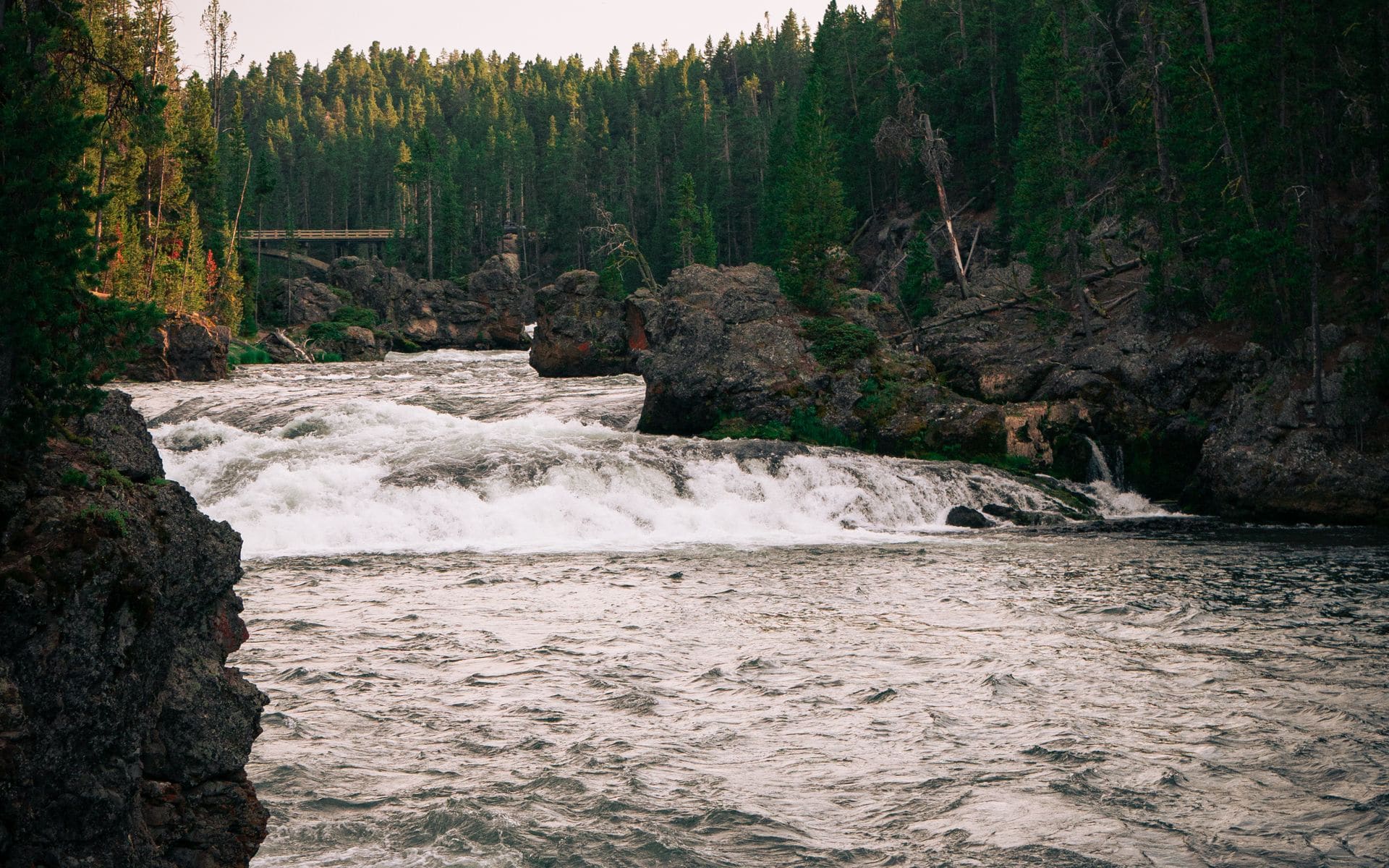
Wyoming's state park system charges a $7 per vehicle day-use fee at most sites (estimated), with camping from about $10 per night for primitive tent sites to $30 or more for electric hookups (estimated). An annual parks pass runs around $30 (estimated) and covers day use across all sites, paying for itself in three or four visits. We prioritized parks with character specific to Wyoming: geology, geothermal features, or setting that would not translate to another state. Then we filtered for car accessibility, a reasonable season window, and enough variety to fill a half-day or more. The eight below span the Bighorn Basin, the Laramie Mountain foothills, the Wind River front, Platte County sandstone, and the northeast corner near Devils Tower. Each sits on a logical driving route, and the Wyoming travel guide has region-by-region context for building a route around them.
Hot Springs State Park, Thermopolis
Hot Springs State Park in Thermopolis holds one of the world's largest known mineral hot springs, discharging roughly 2.7 million gallons of 135-degree water per day through vents along the Bighorn River. The park grounds include travertine terraces that shift between cream, rust, and orange depending on the time of day, a suspension footbridge over the river, and a bison herd that grazes an enclosure on the east side of the grounds. Commercial pool operations with water slides and extended soaking access sit within the park boundaries and charge separately.
The reason this park leads the list is the Hot Springs State Park Bath House on Tepee Street, a state-funded facility that charges nothing for admission. You sign in at the front desk, receive a 20-minute slot in an indoor or outdoor pool held at around 104 degrees Fahrenheit fed directly by the spring, and soak. Weekday mornings are quietest. After the park, the Wyoming Dinosaur Center at 110 Carter Ranch Road in Thermopolis, roughly a mile away, mounts full skeletons of species excavated from the surrounding badlands and offers summer fossil dig programs for families. Thermopolis sits in the heart of Wind River Country, about 84 miles north of Lander on US-20.
Curt Gowdy State Park
Curt Gowdy State Park sits 24 miles west of Cheyenne on State Route 210, known locally as Happy Jack Road, at around 6,200 feet in the granite foothills of the Laramie Range. The park holds two reservoirs, Crystal Lake and Granite Springs, with roughly 35 miles of marked trail covering terrain from flat lakeside paths to rocky granite ridgelines. Mountain bikers from Cheyenne and Fort Collins use this as their home trail system, and the Hidden Falls Trail is a 2-mile round trip that stays worthwhile in any season. Fishing for brown trout, rainbow trout, and occasional cutthroat runs from May through October before ice forms on the reservoirs.
Curt Gowdy is the closest thing to mountain scenery within a half-hour of Wyoming's capital, and people who want an afternoon outside without driving to the Snowies or Laramie come here often. The park has no lodging, but hotels and lodges in Cheyenne are 30 to 40 minutes from the park entrance. Day use is around $7 per vehicle (estimated). On summer weekends, arrive by 9 a.m. if you want a trailhead parking spot or a campsite without a wait.
Sinks Canyon State Park, Near Lander
Sinks Canyon State Park west of Lander on State Route 131 answers a geological question you will not stop thinking about once you see it. The Popo Agie River flows down from the Wind River Range, enters a limestone cave system called the Sinks, disappears entirely underground, then re-emerges a quarter-mile downstream at a pool called the Rise at roughly twice the input volume. Hydrologists have traced dye from the Sinks to the Rise, but the karst system clearly draws from additional sources. The park sits in a narrow canyon at 5,600 feet, and summer daytime temperatures stay cooler than Lander's valley floor below.
The Rise pool holds a population of brown trout that are off-limits to fishing, which means they have no reason to spook and will swim within a few feet of the bank. Both the Sinks and the Rise have paved overlooks accessible without hiking. A day-use campground gives tent campers easy access to trails that continue up into the Wyoming Range. Lander, 7 miles east, is the supply town for the park and the main launch point for Wind River Range backpacking. If you want to combine a state park visit with a working ranch stay, the best dude ranches in Wyoming include several options in this part of the state.
Guernsey State Park
Guernsey State Park in Platte County centers on Guernsey Reservoir, a 2,375-acre lake on the North Platte River about 10 miles north of the town of Guernsey on US-26. The sandstone bluffs ringing the reservoir glow red in morning light and go gray-purple at dusk. Most of the park's infrastructure, stone shelters, bridges, and scenic overlooks, was built by the Civilian Conservation Corps in the 1930s and still fits the landscape well. Swimming, boating, and waterskiing run June through September, and the south-shore campgrounds fill on summer weekends because families come from Cheyenne (80 miles southeast) and Fort Collins, Colorado. Oregon Trail ruts worn up to 5 feet deep into sandstone bedrock are visible within the park, giving a day trip a historical dimension that most reservoir parks cannot match.
Buffalo Bill State Park, Cody
Buffalo Bill State Park sits 9 miles west of Cody on US-14/16/20, directly on the approach road to Yellowstone's East Entrance. Buffalo Bill Reservoir fills a canyon cut through Absaroka Range rock at 5,350 feet. The park is one of the windiest reliably usable bodies of water in Wyoming, and windsurfers and kiteboarders from across the region plan trips around its consistent afternoon gusts. North and south shore campgrounds stay open from late May through early September, and boat ramps give access for water skiers and anglers targeting rainbow trout and kokanee salmon. Buffalo Bill Center of the West is 10 minutes east in Cody, and the Yellowstone East Entrance is about 43 miles west. For travelers doing a wider Wyoming loop, Jackson Hole and the Tetons are roughly 2.5 hours south by US-26/89, making Cody a logical midpoint between the two park systems.
Keyhole State Park, Near Moorcroft
Keyhole State Park near Moorcroft sits off I-90 in Wyoming's northeast corner and runs at a fraction of the crowd pressure found at the national parks within driving distance. The park centers on Keyhole Reservoir, a 14,720-acre lake fed by the Belle Fourche River. Fishing for walleye, largemouth bass, and yellow perch is active from May through September. More practically, the park puts you 25 miles from Devils Tower National Monument, which means you can camp here on summer weekends without the reservation pressure of the tower's own campground. Moorcroft is a 20-minute drive from the park entrance on US-14, and Gillette (35 miles east) has fuel, groceries, and restaurants when you need to resupply.
Boysen State Park, Near Shoshoni
Boysen State Park surrounds Boysen Reservoir at the north end of Wind River Canyon near Shoshoni on US-20. The canyon running between Shoshoni and Thermopolis cuts through Precambrian granite walls estimated at 2.5 billion years old, and the 19-mile corridor on US-20 is one of Wyoming's more overlooked scenic drives. Boysen Reservoir covers about 19,000 acres and holds walleye, brown trout, and rainbow trout. Campgrounds on the west and north shores have both electric hookup sites and primitive tent sites. The natural pairing here is a morning at Boysen, fishing or boating, followed by an afternoon at Hot Springs State Park 20 miles north in Thermopolis, making it a single-day circuit that covers two distinct park experiences in central Wyoming.
Seminoe State Park, Carbon County
Seminoe State Park takes effort to reach. From Rawlins, the approach runs 34 miles of paved two-lane road through open sage country with no services and no cell signal for most of the drive. What you get in return is Seminoe Reservoir in a red sandstone and granite canyon, and tailwater fishing below Seminoe Dam that consistently produces brown trout in the 18- to 24-inch range (estimated average for guided trips). Fly fishing guides operating out of Casper and Rawlins bring clients here specifically for the North Platte tailwater below the dam, and the campground has electric sites and a boat ramp in a setting where you may not see another vehicle for hours. The Carbon County Fair and Rodeo in Rawlins runs each August and pairs naturally with a Seminoe trip. The best rodeos in Wyoming guide covers that event and others across the state.
Quick Comparison
If you have one afternoon from Cheyenne, Curt Gowdy State Park is the right answer. If you are crossing central Wyoming with a day of flexibility, Sinks Canyon plus Hot Springs State Park makes a natural loop from Lander. Guernsey and Keyhole work well as I-80/I-90 corridor stops with real scenery. Buffalo Bill State Park fits cleanly into a Cody and Yellowstone itinerary. Seminoe is a destination for anglers and people who specifically want remote, not a casual add-on. All eight parks draw from the same Wyoming State Parks reservation system and fee structure, so once you set up an account, booking moves fast.
Frequently asked questions
Do Wyoming state parks charge an entrance fee?
Most charge around $7 per vehicle for day use (estimated). Hot Springs State Park in Thermopolis is free to enter, though the commercial pool operations on the grounds charge separately for water slides and longer soaking sessions. An annual state parks pass runs about $30 (estimated) and covers day-use fees at all participating parks, paying for itself in three or four visits.
When is the best time to visit Wyoming state parks?
June through September covers the widest activity window: campgrounds are open, roads are clear, and water temperatures support swimming, boating, and warm-season fishing. Hot Springs State Park in Thermopolis operates year-round and is genuinely worth visiting in winter when steam rises off the mineral terraces and the Bath House is nearly empty. Curt Gowdy near Cheyenne and Sinks Canyon near Lander are accessible in shoulder seasons with layers.
Can I camp at Wyoming state parks?
Yes. Most parks offer drive-in camping from primitive tent sites to electric hookup spots. Estimated prices run from $10 per night for a primitive site to $30 or more for a full hookup (estimated). Guernsey, Boysen, and Buffalo Bill State Park fill fastest on summer weekends and benefit from advance reservations through the Wyoming State Parks online booking system. Seminoe State Park is the most remote option and typically has lower competition for campsites even on summer weekends.