Why Visit Jackson Hole and the Tetons
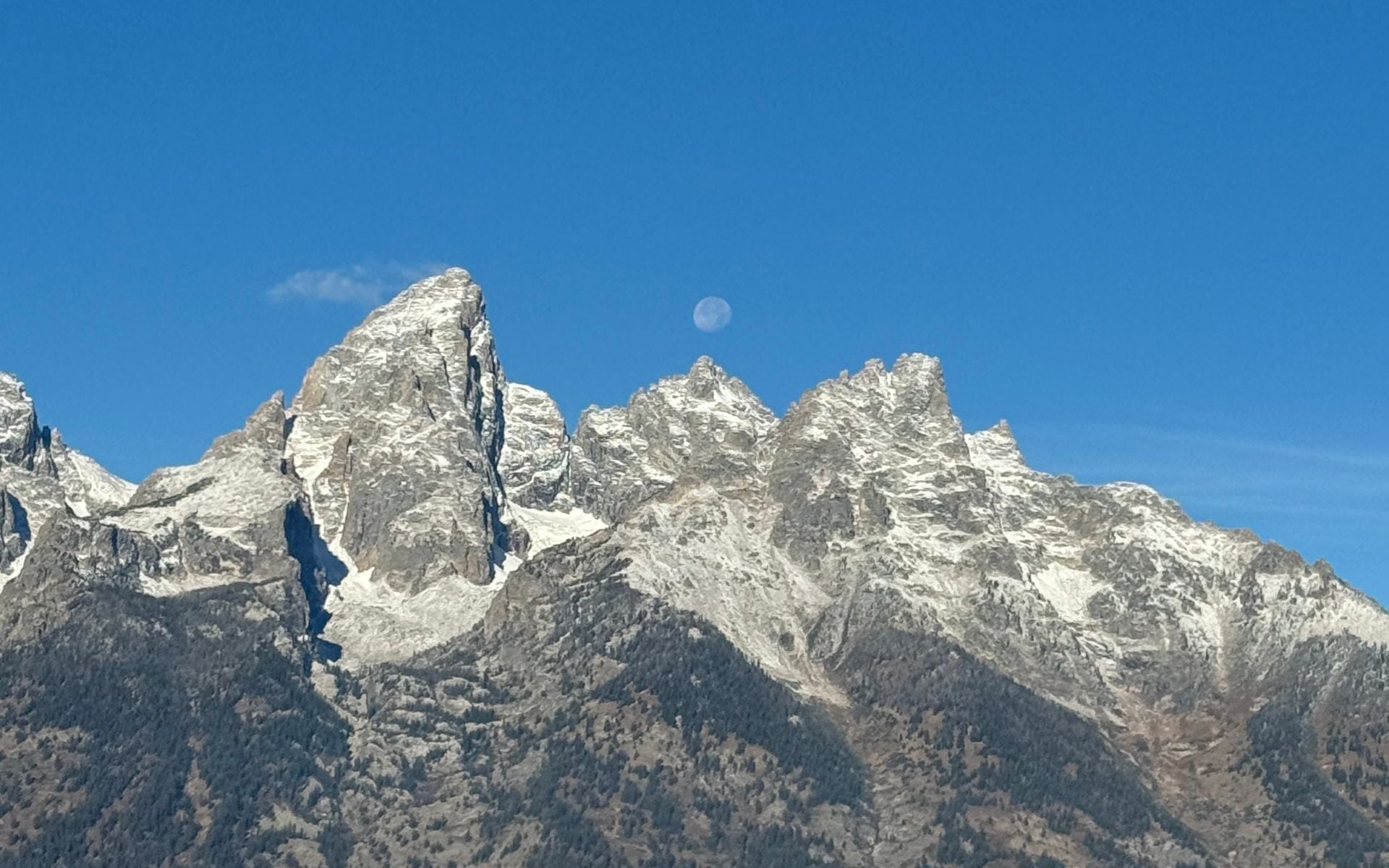
The geology here does most of the selling. The Teton fault runs along the base of the range, which means the mountains don't build gradually, they jump straight off the valley floor. Stand at the Snake River Overlook on US-191 in early morning and the scale of it stops most people mid-sentence. That view is free. Everything else in Jackson Hole costs what you'd expect from Wyoming's most resort-dense region.
What this corner does better than anywhere else in the state is concentration. Grand Teton National Park starts 20 minutes north of town on US-191. The South Entrance to Yellowstone is 57 miles up the same road, about an hour and ten minutes in summer. The National Elk Refuge's 25,000 acres begin at the north edge of Jackson's town limits. Jackson Hole Mountain Resort, with 4,139 vertical feet of terrain, sits 12 miles from the town square at Teton Village. You can hike Cascade Canyon in the morning, float the Snake River in the afternoon, and eat elk tenderloin in the evening, all without leaving the region.
The full Wyoming Travel Guide covers all six regions of the state, but if your time is limited and you want Wyoming's signature combination of wild country and practical infrastructure in one place, Jackson Hole delivers it. Budget accordingly: this is the priciest corner of the Cowboy State, and summer and peak ski season prices reflect that.
Top Places in the Region
Grand Teton National Park is the anchor. Jenny Lake sits 25 miles north of Jackson and draws the heaviest traffic: a ferry crossing ($20 round-trip, estimate) cuts 3 miles off the hike into Cascade Canyon and most people take it. The Teton Park Road, running from Moose to Moran Junction along the base of the range, opens to cars in late May and closes again in early November. Mormon Row on Antelope Flats Road east of the main highway puts you in front of the classic homestead barns with the full Teton wall behind them; bison graze right alongside the road in summer. Snake River float trips launch from Deadman's Bar and run 10 miles downstream to Moose, passing cottonwood-lined banks where moose and bald eagles are routine.
The town of Jackson itself is worth a half-day on its own. The central Town Square has the elk-antler arches at each of its four corners. Persephone Bakery on East Broadway draws a morning line for pastries and good coffee. For dinner, Gun Barrel Steak and Game House on West Broadway serves elk steak and bison ribs in a log-and-antler dining room that's been a Jackson institution for years. Virginian Restaurant on West Broadway is the honest diner option, with breakfast plates at prices that look reasonable by local standards. Hand Fire Pizza, in a renovated former theater on North Cache Street, does wood-fired Neapolitan pies and packs in both locals and visitors most nights.
The National Elk Refuge north of town shelters 6,000 to 7,000 elk each winter. The refuge runs horse-drawn sleigh rides from mid-December through late March, passing within yards of resting elk. Tickets run around $25 to $30 per adult (estimate); book in advance, particularly on weekends. The small community of Moose, inside the park near the southern entrance, is the location of Craig Thomas Discovery and Visitor Center, the main park visitor hub.
Top Things to Do
Skiing here splits into two distinct personalities. Jackson Hole Mountain Resort at Teton Village, 12 miles north of Jackson on WY-390, has 4,139 vertical feet and terrain that leans heavily toward intermediate and expert runs, including Corbet's Couloir and the famous aerial tram ride to Rendezvous Mountain at 10,450 feet. Day lift tickets run $150 to $250 depending on date (estimate). Grand Targhee Resort, 42 miles from Jackson over Teton Pass on the western slope of the Tetons near Alta, WY, averages 500 inches of snow per year and is substantially less crowded and lower-priced than JHMR. Snow King Mountain sits directly above downtown Jackson and offers night skiing, a summer gondola, and the most convenient location if you're staying in town.
In summer, Snake River guided float trips are the activity most visitors miss and most locals recommend. Scenic floats run June through September; guide companies typically charge $50 to $90 per person (estimate). The Moose-Wilson Road between the communities of Moose and Wilson, a 7-mile paved-and-gravel road inside the park, is one of the best places in the region to see moose, black bears, and elk on foot or from a car. For hikers, Cascade Canyon from the Jenny Lake boat dock gives you a canyon view with sub-alpine wildflowers in July; the Taggart Lake trail at the south end of the park is a quieter 3.8-mile roundtrip through lodgepole pines.
Wildlife watching in the Tetons is reliable in a way that most of Wyoming is not. Bison and pronghorn hold the Antelope Flats plain east of US-191 in summer. In the third week of September, bull elk begin bugling along the Gros Ventre Road east of Kelly, one of the better free spectacles Wyoming offers. Grizzly bears are active in the park and refuge from April through early November; keep 100 yards of distance and carry bear spray. Winter visitors can join snowcoach tours into Yellowstone from Jackson or take snowmobile day trips into the park's interior.
Where to Stay
Jackson Hole hotel pricing is resort-level year-round, with peaks in July and August and again in January and February. Teton Village, at the base of Jackson Hole Mountain Resort, has the most expensive inventory in the state: ski-in/ski-out condos and full hotel properties cluster around the mountain base. Inside the park, Jenny Lake Lodge (a luxury all-inclusive) and Colter Bay Village cabins book out months ahead for summer; the same applies to the six campgrounds inside Grand Teton, which open reservations in January.
In Jackson proper, Cowboy Village Resort on Flat Creek Drive offers cabin-style units with an outdoor pool, close to the Town Square. The Lodge at Jackson Hole on Scott Lane runs an indoor-outdoor pool and is a solid mid-range choice for families. Both step below the mountain-base pricing while keeping you close to restaurants and the ski bus. For ranch-style immersion, Moose Creek Ranch near Victor, Idaho, across Teton Pass, provides guest ranch stays with horseback riding and fly fishing, and the price drops considerably from Jackson rates. Victor and Driggs, Idaho, reached via WY-22 over Teton Pass (summit at 8,432 feet, about 35 miles from Jackson), offer lodging at 40 to 60 percent less than comparable Jackson rooms, with a 45-minute drive back to the park.
For a full breakdown of options across price points and property types, the Where to Stay in Wyoming guide covers everything from campgrounds to in-park lodges. For week-long all-inclusive stays on working ranches within the valley or in the surrounding hills, the Best Dude Ranches in Wyoming list covers the top-rated valley and foothills options.
Getting There and Around
Jackson Hole Airport (JAC) sits 9 miles north of town inside Grand Teton National Park, the only commercial airport in the country located within a national park boundary. United, Delta, and American fly direct from Denver (DEN), Dallas, Chicago, and several other hubs, though fares into JAC run higher than alternatives. Denver International (DEN) is 460 miles southeast, about 8.5 hours by car via US-26 and I-80. Salt Lake City International (SLC) is 285 miles south, roughly 5 hours on US-189 through Hoback Canyon and the upper Green River country. That Salt Lake route passes through the high desert of Southwest Wyoming, worth knowing if you're combining both regions on a longer trip.
A rental car is non-negotiable outside Jackson's town limits. The START Bus runs between Jackson, Teton Village, and the south end of Grand Teton in summer for free, which is useful but narrow in coverage. No rideshare network operates reliably beyond downtown. Teton Pass (WY-22, 8,432 feet) connects Jackson to Victor and Driggs in Idaho; it's a 10-percent grade on both sides, closed periodically in winter storms, and requires checking WYDOT road conditions before driving it in snow.
Driving distances from Jackson: South Entrance to Yellowstone is 57 miles (1 hour 10 minutes). Old Faithful adds another 34 miles inside the park (roughly 45 more minutes). Cody is about 2.5 hours east by the summer route through the park; in winter when Yellowstone closes to cars, the drive around the south side via US-26 to Riverton and north to Cody is closer to 4 hours.
Best Time to Visit
June through August is when everything operates simultaneously: the Teton Park Road is open, guide services are fully staffed, the Snake River is at good float level, and temperatures in Jackson average highs in the low 70s Fahrenheit. It's also the most crowded window. Jenny Lake parking fills before 9 a.m. on summer weekends; the Valley Trail between Moose and Jenny Lake lets you park once and move on foot. The park entrance fee is $35 per vehicle for a 7-day pass; the America the Beautiful Annual Pass at $80 covers both Grand Teton and Yellowstone and pays for itself on a single trip visiting both.
September into early October is the strongest insider choice. The elk rut starts in the third week of September and runs through mid-October: bull elk bugle at dusk near Gros Ventre Road and Antelope Flats, an experience that's both audible and visible, particularly on cool mornings. Aspen groves on the lower slopes of the Tetons go gold from late September through early October. Crowds drop sharply after Labor Day weekend, and lodging rates follow. Most park services remain open through mid-October, when the Teton Park Road closes to cars.
December through March is ski season. Jackson Hole Mountain Resort and Grand Targhee run at full capacity; conditions peak in January and February when the snowpack builds deepest. Yellowstone is closed to regular vehicles from early November through late April, but snowcoach tours and guided snowmobile trips into the park run all winter from Jackson. Spring (April through mid-May) is the quietest and most limited window: mud on the valley floor, closed high passes, and services that haven't reopened yet. The Teton Park Road typically opens to bikes in late April but doesn't open to cars until late May.
Frequently asked questions
Do I need a National Parks pass to visit Jackson Hole?
You need a park entrance pass for Grand Teton National Park, which costs $35 per vehicle for a 7-day pass. The America the Beautiful Annual Pass at $80 covers entry to both Grand Teton and Yellowstone and pays for itself in one combined trip. Neither park requires timed-entry reservations to drive in, but in-park campgrounds and lodges book out months in advance for summer, so secure those reservations as early as January if you want them.
How far is Jackson from Yellowstone?
The South Entrance to Yellowstone is 57 miles from Jackson, about 1 hour and 10 minutes in summer with normal traffic. Old Faithful is another 34 miles inside the park, adding roughly 45 minutes. Budget a full day for any serious Yellowstone visit from a Jackson base, and plan to be on the road before 8 a.m. in peak season. Yellowstone closes to regular cars from early November through late April; snowcoach tours run from Jackson throughout winter.
Is Jackson Hole expensive to visit?
Yes. Jackson is Wyoming's priciest market. Standard hotel rooms in Jackson run $200 to $500 per night in July and August (estimate), and peak-season lift tickets at Jackson Hole Mountain Resort can exceed $200 per day. The national parks are the exception: a 7-day vehicle pass for Grand Teton is $35. To reduce costs, consider staying in Victor or Driggs, Idaho, across Teton Pass, where comparable lodging runs 40 to 60 percent less. Visiting in September after Labor Day cuts both hotel rates and crowds significantly.
When is the elk rut in Jackson Hole?
The elk rut runs from roughly the third week of September through mid-October. Bull elk begin bugling in the evening hours and you can hear them from roadside pullouts along Gros Ventre Road east of Kelly and near the National Elk Refuge boundary north of Jackson. Early mornings in late September, when temperatures drop and the aspens turn, are the best window: bulls are active, light is good for photography, and crowds are a fraction of summer levels.