Overview
If you are making a serious effort to see large North American mammals in the wild, Wyoming is the best base you will find. The Greater Yellowstone Ecosystem covers roughly 22 million acres across Wyoming, Montana, and Idaho, and Wyoming holds the core of it. Bison number above 5,000 inside Yellowstone alone. Lamar Valley in the park's northeast corner is one of the most reliable places in the world to watch wolves, with multiple packs occupying different territories along the northern range. Grizzly bears range across the northwest quarter of the state. The Jackson Hole valley hosts the largest elk herd in North America during the winter months. Add pronghorn on the sagebrush plains, moose along the Snake River, bighorn sheep on the rocky slopes above Dubois, and bald eagles year-round along most major rivers, and you have a roster that few places can match. The Wyoming Travel Guide is built around exactly this kind of depth, and wildlife is the reason many visitors come back year after year.
What to Expect
Wildlife watching in Wyoming plays out differently depending on where you are and when you go. In Yellowstone, the Lamar Valley is the starting point for most serious watchers. Pull off at the Confluence overlook or the Lamar River bridge before sunrise, set up a spotting scope, and scan the slopes across the river. Wolves den in the high terrain and move into the valley to hunt bison and elk, especially in the cold months when prey concentrates in the open. The road through Lamar is one of the few Yellowstone corridors that stays open to cars in winter, making it accessible even in January when most of the interior park is closed to vehicles.
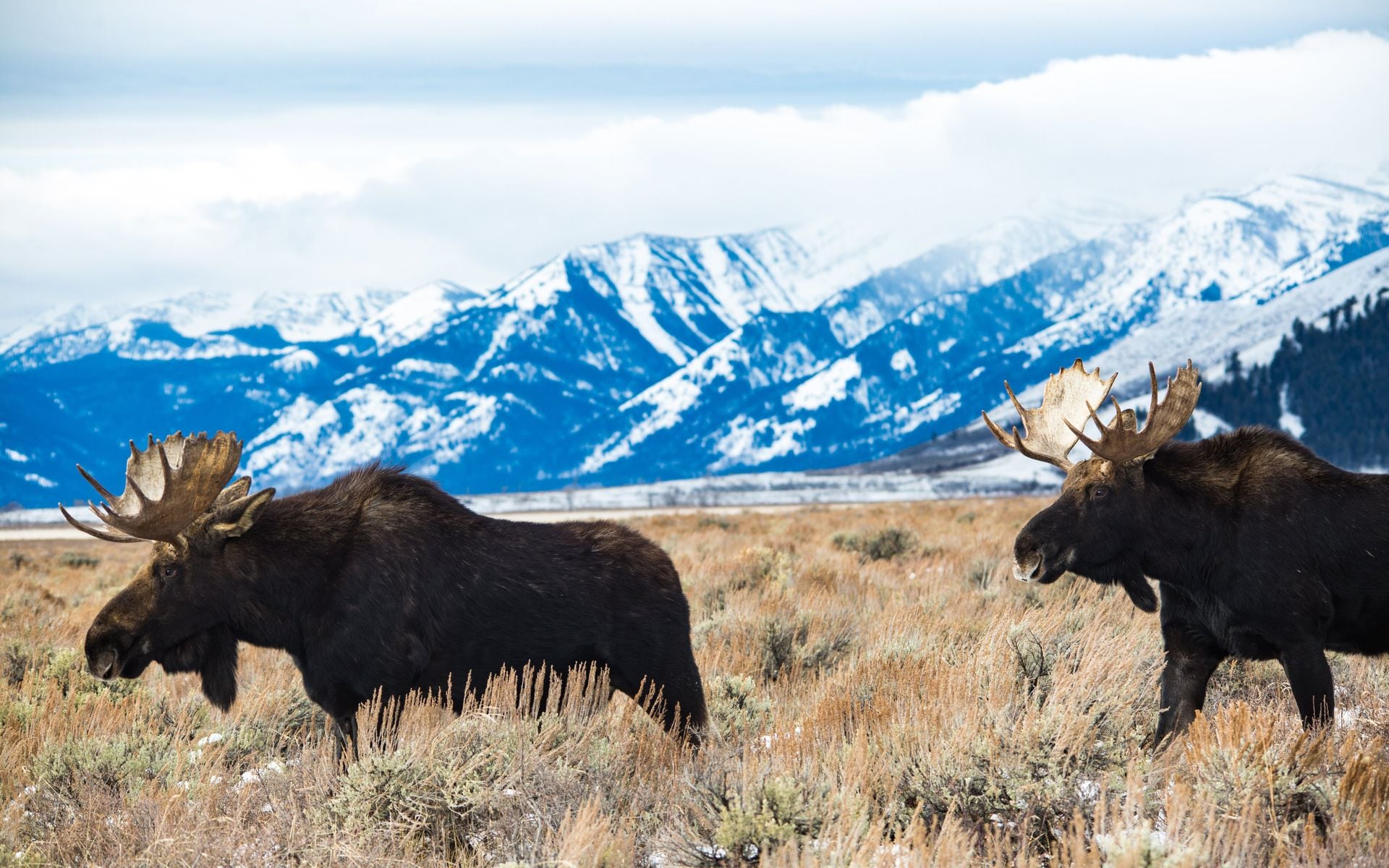
Hayden Valley, about 20 miles south of Canyon Village, is the best location for bison in summer. Thousands of animals graze and wallow along the Yellowstone River, and the road pull-offs fill with cars by 7 a.m. on clear mornings. Grizzlies and trumpeter swans show up here regularly as well. In Grand Teton National Park, moose are the headliner. Check the willows at Willow Flats near Jackson Lake Lodge and the Oxbow Bend of the Snake River at dusk, where moose wade in to feed. Pronghorn graze Antelope Flats Road east of Moose Junction year-round. The Snake River corridor from Moose to Wilson produces bald eagle sightings on nearly every float trip, and a guided scenic float on US-89 gives you a water-level view of the banks.
Outside the parks, the National Elk Refuge in Jackson covers 25,000 acres and holds between 7,000 and 11,000 elk from November through April. The National Elk Refuge and Greater Yellowstone Visitor Center on North Cache Street in Jackson sells sleigh ride tickets from December through March, putting you within 50 feet of the herd for close-range viewing. Bighorn sheep are reliably spotted along the cliffs between Jackson and Dubois on US-26/287, and the Bighorn Basin around Cody and Thermopolis holds pronghorn, mule deer, and occasional black bear.
Best Season
Spring (late April through June) is when the ecosystem resets. Grizzly bears emerge from dens in April and May, often visible on the south-facing slopes above Lamar Valley and Hayden Valley as they search for winter-killed elk and early green grass. Bison calves arrive in the Lamar Valley starting in late April, and the newborn season often triggers predator activity. Roads inside the parks reopen progressively through May and June. This is a good window to plan around the Yellowstone and Grand Teton Road Trip itinerary since the crowds are lighter than July and the wildlife is as active as any time of year.
Summer (June through August) gives you the most reliable road access and the longest days for watching. Bison rut in late July through August, producing dramatic chasing and sparring behavior across Hayden Valley and Lamar. Bears feed heavily on berries and whitebark pine nuts in August and September. Mornings before 9 a.m. and evenings after 5 p.m. produce the most active animals; midday in July means mostly empty meadows and animals resting in the shade.
Fall (September through October) is the elk rut, and it may be Wyoming's single best wildlife spectacle. Bull elk bugle across Grand Teton National Park and the National Elk Refuge starting in early September, with peak activity through the third week of the month. The Gros Ventre Road north of Jackson and the meadows near Oxbow Bend are reliable rut viewing spots. Grizzlies are in hyperphagia through October, packing on fat before denning, and sightings near berry patches and Yellowstone Lake are common.
Winter (December through March) is the season for Lamar Valley wolf watching. Snow concentrates elk and bison in the valley bottoms, packs hunt more actively in cold weather, and long sight lines across snow-covered meadows make distant animals easier to find. If you want to combine winter wildlife with other Wyoming pursuits, the state also draws serious visitors for skiing and snowboarding at Jackson Hole Mountain Resort and Grand Targhee, both within an hour of the park's south gate.
Typical Costs (Estimated)
Self-guided wildlife watching costs whatever you pay to enter the parks: $35 per vehicle for a 7-day Yellowstone or Grand Teton pass, or $80 for an America the Beautiful Annual Pass covering both parks and hundreds of other federal lands. After that, all you need is a good pair of binoculars and patience. A spotting scope and tripod make a big difference if you plan to spend serious time in Lamar Valley.
Half-day guided wildlife safaris run roughly $100 to $175 per person. Jackson-based operators like BrushBuck Wildlife Tours and Jackson Hole EcoTour Adventures run early-morning and sunset tours covering Grand Teton National Park and sometimes the southern Yellowstone corridor. Guides carry high-end spotting scopes, track recent animal locations from data shared among the guide community, and can put you on wolves, bears, and moose in spots you would not find on your own without significant time investment. Groups of 6 to 8 people are typical.
Full-day Yellowstone guided tours run approximately $175 to $300 per person. Yellowstone Vacation Tours, operating out of West Yellowstone on the park's west side, does full-loop days covering geothermal features and multiple wildlife valleys with naturalist guides who have years of park experience. Snow coach trips from November through early April run a similar price range and cover terrain that is closed to private vehicles.
National Elk Refuge sleigh rides cost approximately $25 to $30 per adult. Book through the National Elk Refuge and Greater Yellowstone Visitor Center on North Cache Street in Jackson. Reservations fill quickly in December and January, so plan ahead if those months are on your schedule. If you want to combine wildlife viewing with a full ranch stay, the Best Dude Ranches in Wyoming page covers properties in the Cody corridor and the Jackson Hole valley that border the parks and include guided wildlife excursions in their programs.
How to Book
For peak summer season (July and August), book guided tours 6 to 8 weeks ahead. For the September elk rut, 2 to 3 months is more realistic since it is the most in-demand window of the year. Winter wolf-watching tours in January and February book up fast with serious wildlife photographers, so lock in dates before December if you have specific plans. The Tour Operators and Guides directory has a current list of licensed operators working out of Jackson, Cody, and around both parks.
If you are self-guiding, the park's current conditions report on the NPS website and the Yellowstone Wolf Project's public updates are your best tools. Project updates often include recent pack locations by valley and are posted regularly during active seasons. Parking areas on the north side of the Lamar Valley road fill by 6 a.m. on summer mornings, so arrive earlier or park further east and walk in. Maintain the required distances: 100 yards from bears and wolves, 25 yards from bison and elk. A spotting scope makes the distance rules easier to work with, since most of the best sightings happen at long range. For visitors who also want to get on the water, many of the same river corridors that hold moose, otters, and osprey are also Wyoming's best fly fishing water.
Frequently asked questions
What animals can you see in Wyoming?
Wyoming's wildlife list includes bison (over 5,000 in Yellowstone alone), elk (the largest herd in North America winters near Jackson), grizzly bears, black bears, wolves, moose, pronghorn, mule deer, bighorn sheep, mountain goats, bald eagles, golden eagles, osprey, and trumpeter swans. The Greater Yellowstone Ecosystem is one of the few places in the Lower 48 where you can realistically expect to see most of these species in a single trip if you plan your timing and locations well.
Do I need a guide to see wildlife in Wyoming?
No, but a guide significantly improves your odds for species like wolves and grizzlies. Self-guided watching works well for bison (they are hard to miss in Hayden Valley), elk, pronghorn, and moose. For wolves, guides track current pack locations using data shared among the guide community and carry spotting scopes that make a real difference at the distances involved. A half-day guided safari costs an estimated $100 to $175 per person and typically outperforms several days of solo searching for elusive predators.
When is the best time to see wolves in Yellowstone?
Winter, specifically December through March, is the most reliable window for wolf watching in the Lamar Valley. Snow pushes elk and bison into the open valley floor, packs hunt more actively in cold weather, and long sight lines across snow-covered meadows make distant animals visible at range. Summer wolves exist but tend to stay in the high country away from the roads. If you visit in summer, arrive at the Lamar Valley confluence pull-off before sunrise and scan the northern slopes at first light for the best odds.
Is the National Elk Refuge free to visit?
Driving the Refuge Road northeast of Jackson and viewing elk from the roadside is free and open year-round. The horse-drawn sleigh rides into the herd, offered December through March, cost an estimated $25 to $30 per adult. They are operated through the National Elk Refuge and Greater Yellowstone Visitor Center on North Cache Street in Jackson. Reservations are recommended and often fill weeks out in January, so book ahead if winter is your travel window.