Why Come to Wind River Country
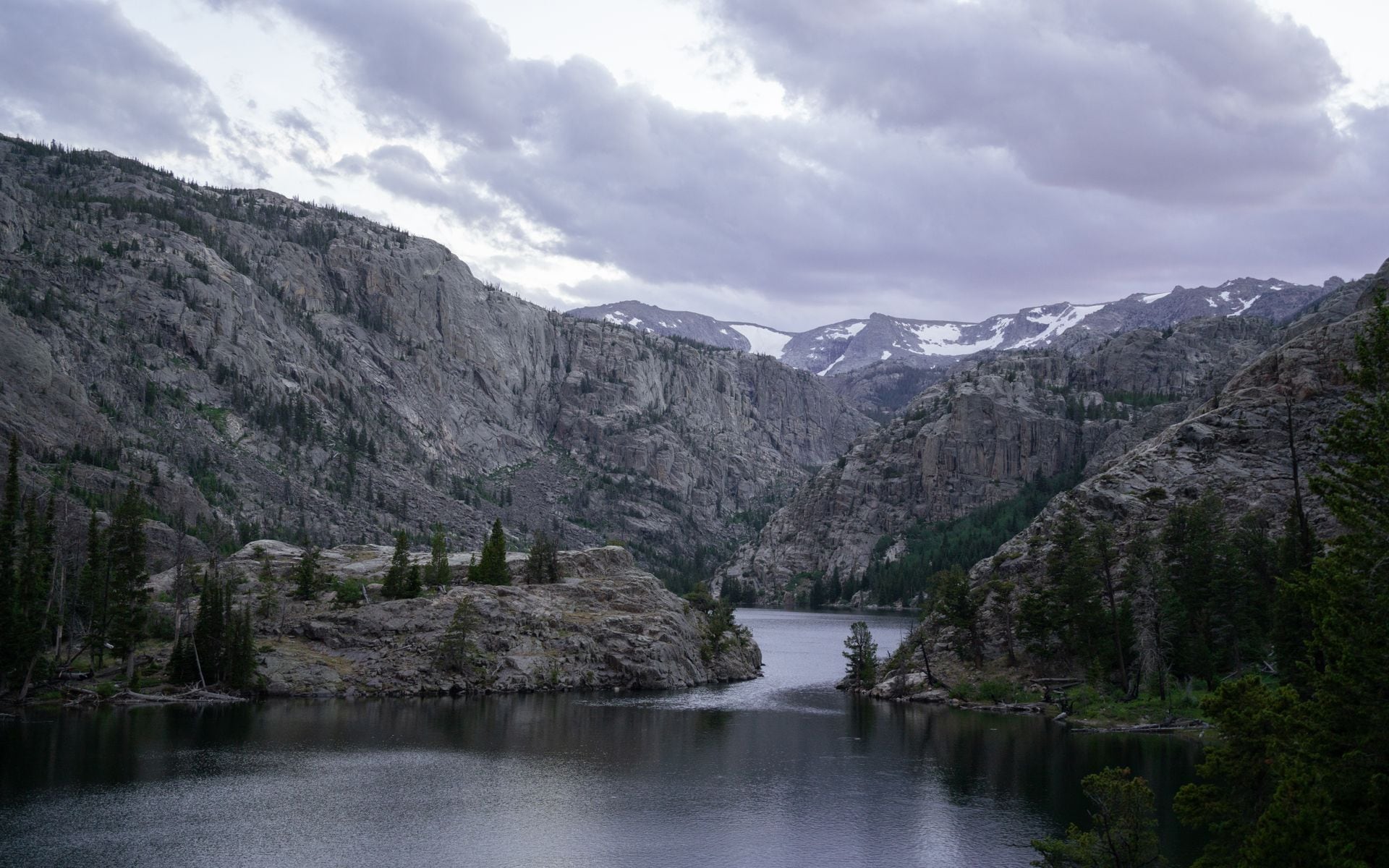
The Wind River Range runs roughly 100 miles north to south through central Wyoming and holds Gannett Peak at 13,809 feet, the state's highest summit, along with more than 40 other peaks that top 13,000 feet. The range is home to Fremont, Dinwoody, and several other glaciers, the most significant remaining glaciers in the contiguous United States. What it does not have is a timed-entry permit, a crowded visitor center, or a shuttle system. Most of the range falls under Bridger-Teton and Shoshone National Forests, open to anyone with a map and boots.
The region's second story is water. The Popo Agie River (pronounced "Puh-PO-zhuh" by locals) runs through Sinks Canyon outside Lander, where it disappears underground into a limestone cave and resurfaces 2,000 feet downstream at a large, trout-packed pool. The Bighorn River, fed by geothermal water near Thermopolis, supports some of the most consistent tailwater trout fishing in Wyoming. The Green River drains the western slope of the range into Fremont Lake near Pinedale, the second-deepest natural lake in Wyoming at roughly 600 feet. Together these waters make this one of the better fly-fishing regions in the Wyoming Travel Guide, without the premium prices that come with the Snake River near Jackson.
Wind River Country also sits at a cultural crossroads. The Wind River Indian Reservation, covering about 2.2 million acres in the center of the region, is the homeland of the Eastern Shoshone and Northern Arapaho tribes. Fort Washakie is the administrative center. Visitors are welcome to travel through and stop for fuel, food, and a look at the landscape, but treat it as sovereign land and respect posted signs and local customs.
Top Places in Wind River Country
The Wind River Range splits into two access corridors depending on which side of the mountains you approach from. From Pinedale on the west, the Elkhart Park trailhead sits at 9,400 feet and routes hikers toward Fremont Lake and the high country around Photographer's Point. From Lander on the east, the Burnt Lake and Silas Canyon trailheads offer access to the southern range, while the Big Sandy trailhead about 70 miles southeast of Pinedale is the direct route into Cirque of the Towers, a horseshoe of nine granite pinnacles framing a lake basin at around 10,000 feet. Neither side is wrong; which you choose depends on where you're based and how much time you have.
Sinks Canyon State Park lies nine miles south of Lander on State Highway 131 and is worth a half-day even if you're not backpacking. A short paved path leads to the Sink, where the Popo Agie drops into a cave in the limestone and disappears. Walk another quarter mile downstream to the Rise, a large pool where the water reappears cold and clear. Wyoming Game and Fish prohibits fishing at the Rise because of the dense trout concentration, but you can watch fish from the bank. There's a small campground in the canyon with fee sites at an estimated $10 to $20 per night.
Thermopolis, about 82 miles north of Lander via US-20, earns a stop for two reasons: Hot Springs State Park and the Wyoming Dinosaur Center. The state park is free to enter. The Hot Springs State Park Bath House on Tepee Street offers free soaking in 104-degree mineral pools with 20-minute sessions; bring a swimsuit and a small lock for the locker. The travertine terraces along the Bighorn River are worth seeing regardless. One block away, the Wyoming Dinosaur Center on Carter Ranch Road runs active paleontology dig sites in season and charges an estimated $12 to $15 per adult for the main museum exhibits. If you have kids interested in dinosaurs, the dig-site tour, priced around $100 to $120 per person, is the experience you won't find at a standard natural history museum.
Dubois sits at about 6,900 feet on US-26/287, roughly 85 miles northwest of Lander, at the east edge of the Absaroka Range where the Wind River cuts through red rock badlands. It's a small town, well under 1,000 people, with a National Bighorn Sheep Interpretive Center and straightforward access to dude ranches in the Dunoir Valley. The drive from Dubois west over Togwotee Pass to Jackson (about 1 hour 20 minutes in good conditions) is one of the better mountain passes in Wyoming for wildlife, with moose and pronghorn frequent along the road.
Top Things to Do
Backpacking is the activity Wind River Country is most famous for among people who know it. Cirque of the Towers requires roughly 9 miles in from Big Sandy trailhead, with about 1,600 feet of elevation gain to the basin. Permits are not required for most of the Bridger-Teton Wilderness, but group-size limits apply, typically no more than 12 people, and camping near lakes requires a 200-foot setback. Plan for three or four nights at the Cirque to have time to explore nearby passes including Texas Pass and Big Sandy Pass. July through mid-September is the realistic window. Snowpack can block the Big Sandy Lodge access road as late as mid-June in heavy years, so call the Pinedale Ranger District of Bridger-Teton National Forest before you commit to a date.
Fly fishing in this region runs across several very different rivers. The Popo Agie below Sinks Canyon holds brown and rainbow trout within walking distance of downtown Lander, canyon scenery included. The Wind River itself, a freestone stream running northeast through Fort Washakie, fishes well in late summer when flows drop and water clears. The Bighorn River tailwater below Thermopolis is the most technical option, spring-clear water with large brown trout that require small flies and light tippet; most anglers hire a guide for that stretch, with estimated day rates of $350 to $450 for a guided drift boat float.
Horseback riding and guest ranch stays are woven into the Dubois and Lander areas. Ranches in the Dunoir Valley and on the Wind River front have operated for multiple generations and offer stays ranging from a single night to a full week. If you are comparing options across the state, the Best Dude Ranches in Wyoming page covers the full picture. For Wind River Country specifically, Dubois is the natural hub, with easier access to both the Absaroka foothills and the northern Wind River Range trailheads.
In winter, Thermopolis becomes worth the drive for a different reason. Soaking in the Hot Springs State Park Bath House when it's 10 degrees outside and steam is rising off the Bighorn River is one of the low-cost Wyoming experiences that most visitors miss because they don't know the state park is free. The pools run around 104 degrees year-round and require no reservation beyond showing up and signing in.
Where to Stay
Lander is the practical hub for the eastern Wind River Range, with a modest downtown and lodging that runs an estimated $80 to $130 per night at area motels. Pinedale, about 70 miles north on US-191, serves the western range and has a handful of motels and rental cabins, with fewer options but shorter drives to Elkhart Park and the Big Sandy trailhead. Dubois has several small lodges and cabin operations aimed at outdoor travelers, generally priced lower than Lander.
Thermopolis has older motels and campgrounds within or adjacent to the state park. For a broader comparison of where to base yourself across central Wyoming, the Where to Stay in Wyoming guide covers the tradeoffs by region and season. Booking ahead in July and August matters in Lander and Pinedale, especially during the week of the International Climbers' Festival in Lander in mid-July, which fills every bed in town.
Getting There and Around
The closest commercial airports to central Wind River Country are Riverton Regional (RIW), about 25 miles east of Lander, and Jackson Hole (JAC), about 85 miles west of Dubois over Togwotee Pass via US-26/287. Casper (CPR) is roughly a 2-hour drive east of Lander via US-20 and US-287. For people building a larger Wyoming trip, Denver (DEN) is about 6 hours south, Salt Lake City (SLC) is roughly 5.5 hours southwest, and Bozeman (BZN) is about 5 hours north.
A rental car is not optional. Wind River Range trailheads sit 20 to 70 miles from the nearest towns, often on unpaved forest roads. The Big Sandy trailhead approach follows about 10 miles of maintained dirt road that can be rough after wet weather. Cell service is limited once you leave Lander, Pinedale, Dubois, and Thermopolis. Download offline maps before you go and carry a paper backup if you're heading into the backcountry.
Best Time to Visit
Late June through September is the window for the high country. Snow typically clears from the main trails by early July in average years, though the high passes and the Big Sandy Lodge access road can stay socked in until late June in heavy snow winters. August is the most settled weather month for backpacking, with lower chances of afternoon lightning and the most reliable pass conditions. September turns aspens gold, brings cooler temperatures, and drops the crowds to near nothing. The elk rut runs from mid-September through October along the Wind River, and bulls start bugling by the second week of September near Dubois and in the Dunoir Valley.
Hot Springs State Park in Thermopolis is a year-round destination. January and February soaks at the State Bath House, when air temperatures can drop well below zero and steam covers the Bighorn River, offer a version of this area that summer visitors mostly miss. Pinedale stays accessible in winter and supports snowmobile access and ice fishing on Fremont Lake. The high mountain passes, including Togwotee Pass between Dubois and Jackson, can close temporarily in heavy snow events from October through May; check Wyoming 511 before driving them in shoulder months.
Frequently asked questions
Do I need a permit to backpack in the Wind River Range?
As of 2026, most entry points in the Wind River Range do not require a backcountry permit. The majority of the range falls within Bridger-Teton and Shoshone National Forests, both of which have designated Wilderness areas with group-size limits, typically capped at 12 people plus stock, and low-impact camping rules including a 200-foot setback from lakes and streams. There is no permit lottery as there is in some other national parks. That said, regulations can change, so confirm current rules with the Pinedale Ranger District or the Lander Field Office before your trip.
How far is Wind River Country from Jackson Hole and Yellowstone?
Dubois is the closest Wind River Country town to Jackson, about 85 miles east over Togwotee Pass on US-26/287, roughly 1 hour 20 minutes in good weather. Lander is about 3 hours from Jackson and about 3.5 to 4 hours from the South Entrance to Yellowstone. Thermopolis is about 2.5 hours southeast of the East Entrance to Yellowstone via Cody and US-20. Wind River Country works well as a stand-alone destination or as a loop addition for travelers based in Jackson.
Is the soaking at Hot Springs State Park really free?
Yes. The state park itself is free to enter and the Hot Springs State Park Bath House on Tepee Street in Thermopolis charges no admission. Soaks are limited to 20 minutes per session, and you sign in at the front desk. The bath house has indoor and outdoor pools, both running around 104 degrees Fahrenheit, locker rooms, and showers. There are also two commercial water parks adjacent to the state park that charge admission and have longer soaking options, including slides and cooler pool temperatures. The Wyoming Dinosaur Center, a short drive away, does charge admission, running around $12 to $15 per adult.
What is the best base town for the Wind River Range?
Lander is the better base for the eastern range, with the most services, closest access to Sinks Canyon State Park, and a good selection of gear shops and outfitters. Pinedale is better for the western range and the Elkhart Park trailhead. Dubois sits at the northern end of the range with access to the Absaroka country as well. If you're fishing the Bighorn River or visiting the hot springs, Thermopolis stands on its own. Most people who come specifically to backpack the Wind River Range pick Lander or Pinedale based on which trailheads they want to reach.