The Short Answer
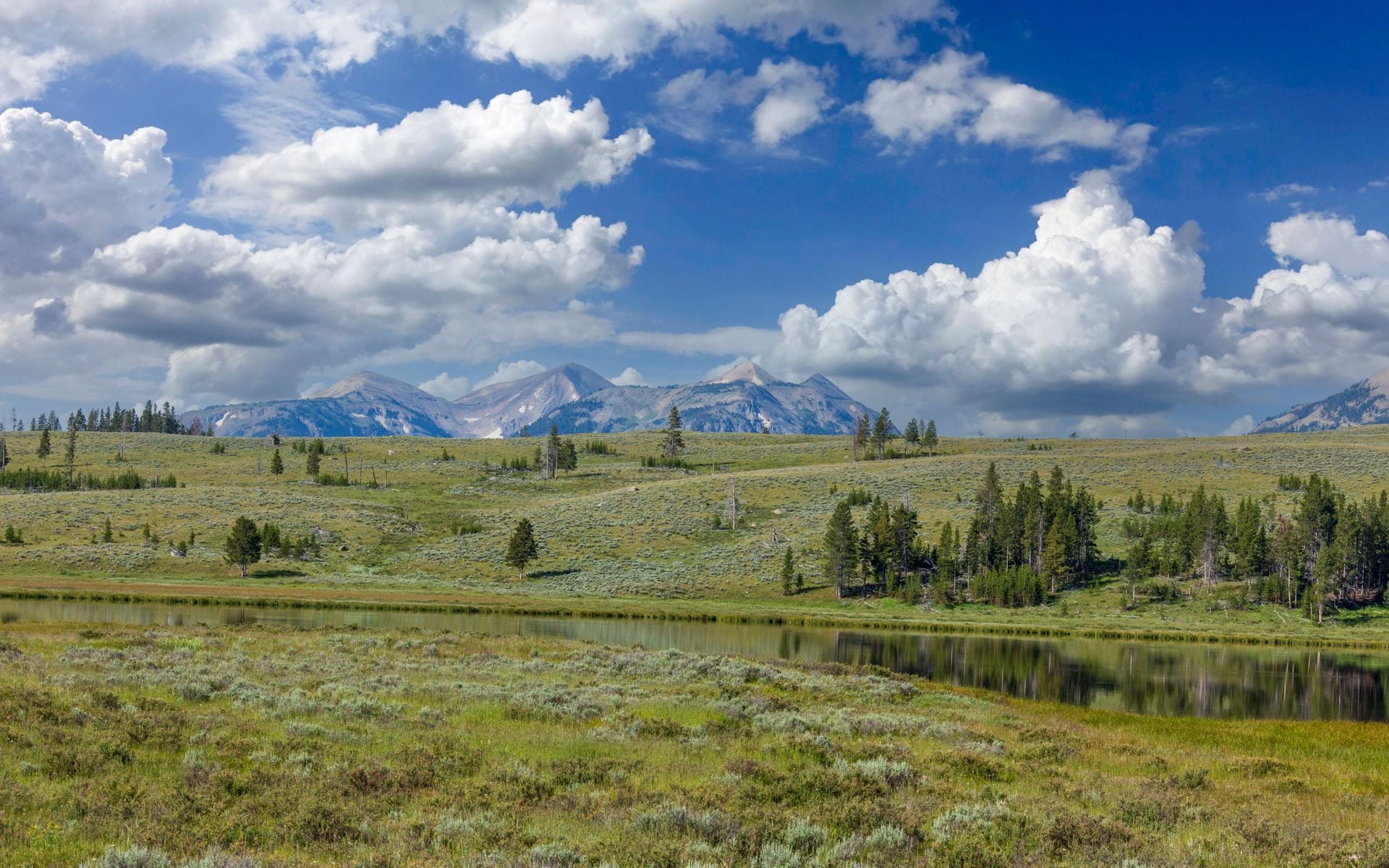
June through August is peak season across the state: Yellowstone and Grand Teton are fully open, the Teton Park Road is clear, wildlife is active, and the high passes are driveable. It's also the most expensive window, with Jackson lodging running $300–$600 per night (estimate) for mid-tier rooms, and campgrounds and in-park lodges booked out months ahead. If you can only come in summer, book early and accept the crowds.
If you have flexibility, September is the better answer. The elk rut peaks mid-September through early October in Jackson Hole and the Tetons, lodge prices fall sharply after Labor Day, and you'll share the valley with a fraction of August's traffic. For full month-by-month temperature and precipitation detail, see Wyoming Weather by Month.
Summer: June Through August
The main Yellowstone roads open by late April or early May, but the full state doesn't come alive until mid-June. That's when the Beartooth Highway over 10,947-foot Beartooth Pass clears, the Teton Park Road along the base of the Tetons is fully open, and guided floats on the Snake River run daily. July is the warmest and busiest month. Daytime temps in Jackson and Cody hover in the low to mid-80s Fahrenheit, nights cool to the 40s even in July, and afternoon thunderstorms build over the mountains most days by 2 p.m.
The Wind River Range, Wyoming's wildest high country with more than 40 peaks above 13,000 feet, is only reliably accessible for backpacking from late July through early September because of lingering snowpack from the previous winter. Down in the southeast corner, Cheyenne Frontier Days runs for ten days in late July and draws large crowds to the capital. In Cody, 52 miles east of Yellowstone's East Entrance, the Cody Nite Rodeo runs every evening June through August.
The tradeoff for full summer access is price and competition for space. The Jenny Lake campground at Grand Teton fills by 8 a.m. on summer mornings and doesn't take reservations. You either show up before sunrise or you don't get in. Book in-park Yellowstone and Grand Teton lodging and campgrounds in January if you're targeting July or August.
Fall: September and October
September is the strongest month to visit Wyoming, and more travelers are figuring that out every year. The elk rut runs roughly September 15 through October 10, and Grand Teton National Park is one of the best accessible places in North America to watch it. Bulls bugle in the meadows near Moose Junction and along the Gros Ventre River bottom starting at dusk, sometimes close enough to the road that you can hear them before you see them. Aspen stands along Togwotee Pass (US-26/287 east of Jackson) and in the side canyons off the Bighorn Scenic Byway turn gold from late September into early October.
Crowds thin sharply after Labor Day. Lodging prices in Jackson drop 30 to 40 percent from August peaks. Most facilities in Grand Teton stay open through mid-October, and Yellowstone's interior roads are still driveable until early November. If you're targeting fall, aim for the first two weeks of October: the rut is still active, most restaurants and lodges remain open, and you might get a dusting of new snow on the Tetons against gold aspen without August's parking backups at popular trailheads.
The Lamar Valley in Yellowstone's northeast corner is one of the best wolf-watching corridors anywhere, and fall is an ideal time to visit before the interior closes for winter. Wolf packs are active, the light is lower and softer than summer's harsh midday glare, and visitor numbers drop enough that you can pull over on the valley road without a line of cars stacking up behind you.
Winter: December Through March
Wyoming's winter is a real season with real rewards, as long as you're there for the right reasons. Jackson Hole Mountain Resort typically opens in late November and runs into early April, with a 4,139-foot vertical drop that is the most in the lower 48. Snowpack in the Tetons regularly runs 400 to 500 inches per season. Grand Targhee, on the west slope of the Tetons near Alta, averages over 500 inches of annual snowfall and draws far fewer visitors than the main resort.
Yellowstone doesn't close in winter. The interior roads shut to cars from early November through late April, but you can reach Old Faithful and the Grand Prismatic Spring basin by snowcoach from West Yellowstone, Montana, or by guided snowmobile from designated entrances. Bison stand in the thermal basins against the steam, wolves are more visible against the white, and you'll share it with almost no one. The only lodging inside the park in winter is the Old Faithful Snow Lodge, and it books fast. Flying into JAC is the most efficient way into the region year-round. See the full options on the Wyoming Airports and Getting There page.
Winter travel requires preparation. I-80 and I-25 in southern Wyoming stay open through most storms, but US-20 between Cody and the East Entrance closes in winter, and mountain passes can close on short notice. Check Wyoming DOT road conditions the night before any long drive between November and April.
Spring: April and May
Spring in Wyoming is transitional in the truest sense. Lower-elevation towns, Cheyenne, Casper, Cody, and Laramie, warm through April. But the mountains and parks stay locked in mud, snowmelt, and late storms through May. Yellowstone's Teton Park Road doesn't open to regular traffic until mid-May most years, and the Beartooth Highway typically doesn't clear until late May, with the exact date shifting by a week or more depending on snowpack.
Spring has real advantages for wildlife. Grizzly bears emerge from dens in March and April and are often visible near Yellowstone's Madison and Gibbon rivers. Bison calves are born in April and May. The National Elk Refuge just north of Jackson holds the last of its wintering herd through April, and the annual antler auction on the Jackson town square happens in late May, a genuine local tradition worth timing around if you're in the area. For spring visits, concentrate on lower-elevation areas: the eastern plains around Casper and Gillette, the Bighorn Basin towns of Cody and Thermopolis, and the Wind River Valley around Lander. The high country will still be closed.
Practical Tips for Timing Your Trip
Book early regardless of when you go. In-park lodging at Yellowstone and Grand Teton opens for reservations in mid-January for the following summer season, and the most popular properties fill within hours of going live. Recreation.gov campground reservations for the same parks open at rolling 6-month windows and move just as fast. The Wyoming Travel Guide covers planning essentials for all six regions of the state.
The park entrance fee covers both Yellowstone and Grand Teton: a seven-day vehicle pass runs around $35 (estimate; check nps.gov for current rates). The America the Beautiful Annual Pass runs around $80 (estimate) and pays for itself if you're hitting more than one national park on the same trip. For flights, JAC (Jackson Hole Airport) is the most convenient for the Tetons and Jackson, sitting inside Grand Teton National Park and handling commercial jets year-round. COD (Cody's Yellowstone Regional Airport) is the best option for arriving via the East Entrance. Many visitors fly into Denver (DEN) or Salt Lake City (SLC) and drive in, which cuts airfare but adds 4 to 8 hours of road time depending on your destination.
Altitude affects people differently. Jackson sits at 6,237 feet, Laramie at 7,200 feet, and many Yellowstone trailheads are above 8,000 feet. Give yourself a day to adjust before major hikes, drink more water than usual, and pack sun protection. UV exposure increases significantly above 6,000 feet, even on cloudy days.
Frequently asked questions
What is the best single month to visit Wyoming?
September is the strongest all-around choice. The elk rut is active in Grand Teton National Park, crowds fall sharply after Labor Day, lodging prices in Jackson drop 30 to 40 percent from August peaks, and nearly all park roads and facilities remain open. If you're primarily visiting to ski, January and February give you the best snowpack at Jackson Hole Mountain Resort and Grand Targhee.
When does Yellowstone open in spring?
Yellowstone's main interior roads typically begin opening in late April, with the final roads, including the Beartooth Highway from Cody via US-212, often not clear until late May. The schedule shifts year to year based on snowpack. Check the NPS website for current road opening dates before finalizing any spring travel plans, as dates can move by a week or more.
Is Wyoming worth visiting in winter?
Yes, if you're there to ski or snowmobile. Jackson Hole Mountain Resort's 4,139-foot vertical drop and consistent snowpack make it one of the top ski destinations in North America. Snowcoach tours into Yellowstone's thermal basins in winter are genuinely rewarding and far less crowded than any summer visit. What winter is not good for: driving most secondary roads, visiting parks by car, or hiking above 7,000 feet. Plan around those constraints and winter Wyoming delivers.
How far in advance should I book a summer Wyoming trip?
Six months minimum for lodging, and longer for in-park properties. Yellowstone and Grand Teton in-park lodging opens for reservations in mid-January for the following summer, and popular properties fill within hours. The Jenny Lake campground at Grand Teton takes no reservations at all. For July and August, treat every booking window like a limited ticket release and move fast.