What to Expect
Cheyenne grew out of the Union Pacific railroad camps in 1867, survived the cattle drives, and became the seat of government for a state admitted in 1890. That layering of rail, ranch, and politics is still visible: the Capitol dome is real gold leaf, the Union Pacific depot anchors downtown, and real ranchers drive pickup trucks through the same streets where Frontier Days floats roll every July. As part of Southeast Wyoming, Cheyenne anchors the capital corner of the state and is the most accessible Wyoming city for travelers arriving from Denver.
Expect a working city rather than a resort town. There are no ski lifts, no national park gates, and no manufactured western experience. Hotel rates run $90 to $180 per night at mid-range properties versus $300 or more in Jackson. Restaurants charge local prices. The downtown strip along East 17th Street has genuine bars, a hardware store, and a mix of regulars alongside visitors. If you want Wyoming without the price markup, Cheyenne is the place to start.
What to Do There
The single biggest reason to plan your calendar around Cheyenne is Frontier Days, a 10-day rodeo and western heritage festival held each year in late July, typically running from the third Tuesday of July through the following Sunday. It bills itself as the largest outdoor rodeo in the world, and the numbers back that up: PRCA rodeo performances run each afternoon and evening in a 16,000-seat arena, a free daily parade marches down Carey Avenue each morning at 9 a.m., carnival midway rides fill Frontier Park, and the concert lineup has included headliners from country, rock, and Americana for decades. Reserved rodeo seats run $20 to $55 per session depending on the day and section. The parade and midway are free even if you do not buy a rodeo ticket. Book your hotel at least two to three months out if you plan to be in town during Frontier Days, as rooms fill and nightly rates double.
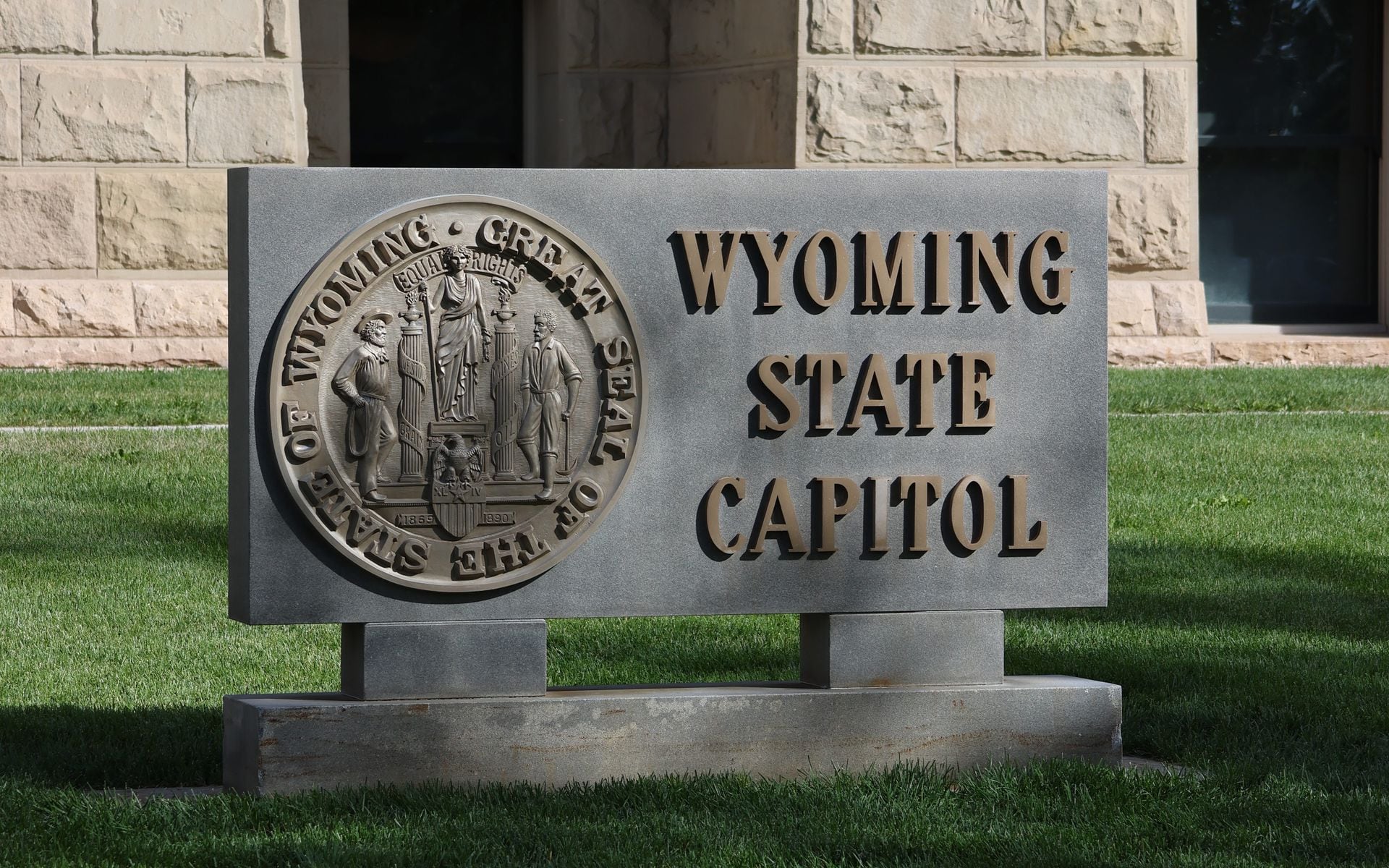
Outside of Frontier Days, the city's historic core gives you a solid half-day to a full day of walking. The Wyoming State Capitol at 200 W 24th Street, completed in 1888, is open for free self-guided tours on weekdays; the rotunda and legislative chambers are worth the 30 minutes inside. Two blocks east, the Wyoming State Museum at 2301 Central Ave covers the state from its Shoshone and Arapaho people through the cattle empires and coal towns, with fossil specimens, firearms, and original artifacts. Admission is free and 90 minutes gets you through it comfortably. Near the Union Pacific depot on West 15th Street, Big Boy locomotive 4004 sits on permanent display at Holliday Park. It is one of the largest steam locomotives ever built, and you can walk right up to it. Union Pacific occasionally moves 4004 for special excursions around the region; if you want to see it under steam, check the UP heritage fleet schedule before you visit.
Outdoor options start 24 miles west of downtown on Happy Jack Road (Wyoming Highway 210) at Curt Gowdy State Park. Two reservoirs, 35 miles of hiking and mountain biking singletrack, shoreline fishing for rainbow and brown trout, and drive-in campsites sit in the Medicine Bow foothills at around 6,300 to 7,500 feet. Day-use fees run about $7 per vehicle. Very few out-of-state visitors know about Curt Gowdy, which means the trails on a Tuesday in August feel like a county park rather than a national monument. For anyone interested in exploring the best dude ranches in Wyoming, Terry Bison Ranch Resort 9 miles south of Cheyenne on I-25 frontage road offers a lower-commitment introduction: a narrated train ride takes you out to hand-feed a working bison herd, and the property has overnight rooms and a restaurant if you want to extend the stay.
Back in the city, the Cheyenne Botanic Gardens at 710 S Lions Park Drive covers 164 acres with themed plant collections, conservatory greenhouses, and a third-floor terrace with broad views north across the plains. Admission is free. For dinner, Sanford's Grub & Pub on East 17th Street is the local institution, with a sprawling menu, bottomless fries, a full bar, and a downstairs arcade and game room. The portions are large and the prices are reasonable by any Wyoming standard. Wyoming's Rib and Chop House on West Lincolnway is the step up: smoked ribs, steaks finished on a tableside butter skillet, and a bison chili that earns repeat orders. Budget $35 to $65 per person for dinner there.
Getting There and Access
Cheyenne Regional Airport (CYS) has daily jet service from Denver International (DEN) via United Express, with the flight running about 45 minutes. Most visitors drive, because the I-25 corridor from DEN is 90 miles with no mountain passes, no seasonal closures, and easy 75-mph driving most of the year. The trip takes about 90 minutes from Denver International Airport in normal conditions. From the west, Laramie is 45 minutes on I-80, with the Snowy Range and Medicine Bow Forest accessible another 30 to 45 minutes further. Salt Lake City (SLC) is about four hours southwest on I-80.
Once in Cheyenne, most of the historic downtown is walkable within a half-mile radius: the Capitol, Wyoming State Museum, the 17th Street dining strip, and the depot are all close enough to cover on foot. A car is necessary for Curt Gowdy State Park west of town and Terry Bison Ranch south on I-25. Frontier Park, where Frontier Days is held, sits about a mile north of downtown on Carey Avenue and is walkable from most downtown hotels during the event.
Best Time to Go
Late July is the peak, and Frontier Days is the reason. Temperatures run in the low to mid 80s°F during the day with cool evenings in the 50s, afternoon thunderstorms that build over the mountains to the west and roll through quickly, and a city that operates at full energy. If the rodeo is your goal, book early and plan around the specific sessions you want. The opening and closing weekends are the most expensive; mid-week sessions are easier on the budget.
May, June, and mid-August through September offer the best combination of good weather and manageable crowds. June is excellent: the plains are green from spring rain, Curt Gowdy trails are dry, and hotel rates are normal. October can be sharp and clear with lower prices and the first gold in the cottonwoods. Winter in Cheyenne is cold and windy, with an average of about 57 inches of annual snowfall, but I-25 and I-80 are both maintained year-round and the Capitol and museums stay open. The plains west wind is real from October through April; gustscan exceed 50 mph during high-wind events, which Wyoming weathercasters report matter-of-factly.
Good to Know
The altitude at 6,062 feet is modest compared to the mountains but real enough to cause mild fatigue on your first day, especially if you are driving up from Denver's 5,280 feet. Drink more water than you think you need. The sun is stronger at elevation than at sea level. For lodging, Little America Hotel and Resort on West Lincolnway is the full-service standout in the city, with 294 rooms, an outdoor pool, on-site dining, and grounds large enough to feel like a resort. Rates typically run $130 to $190 per night. The I-25 and I-80 corridors have standard chain hotels at $80 to $130 that work fine for one-night road-trip stops. Frontier Days pricing is a separate category; expect anything in town to cost 50 to 100 percent more during the 10-day festival, and plan accordingly.
Frequently asked questions
What is Cheyenne most famous for?
Cheyenne Frontier Days. The 10-day rodeo and western heritage festival held each late July is the largest outdoor rodeo in the world, with professional PRCA rodeo performances twice daily, a free morning parade down Carey Avenue, carnival midway, and a major concert series. The city is also Wyoming's state capital, and the 1888 gold-domed Capitol building and the free Wyoming State Museum are the two other reasons most visitors put Cheyenne on their list.
How far is Cheyenne from Denver?
About 90 miles and 90 minutes north on I-25. It is a straightforward highway drive with no mountain passes, and it is one of the easier long-distance road approaches in the state. Cheyenne Regional Airport (CYS) also has daily United Express jet service from Denver International (DEN) for travelers who prefer to fly.
Is Cheyenne worth visiting outside of Frontier Days?
Yes, though the pace is quieter. The Wyoming State Capitol, Wyoming State Museum, Cheyenne Botanic Gardens, and Big Boy locomotive 4004 at Holliday Park each justify a few hours. Curt Gowdy State Park 24 miles west on Highway 210 is an excellent half-day for hiking, mountain biking, and fishing. And because Cheyenne sits right at the I-25 and I-80 junction, it is a natural overnight stop between Denver and Laramie or points north toward Casper and Yellowstone.
Where should I stay in Cheyenne?
Little America Hotel and Resort on West Lincolnway is the best full-service option in the city, with 294 rooms, an outdoor pool, and on-site dining, typically running $130 to $190 per night. During Frontier Days, book two to three months in advance and expect rates to jump significantly. Terry Bison Ranch Resort, 9 miles south on I-25, is a good alternative if you want a ranch setting within easy range of downtown.