Wyoming sits over one of the most geologically active zones in North America, and the results run from free riverside pools in Saratoga to a state park in Thermopolis built around what may be the world’s largest mineral hot spring.
Wyoming’s Hot Springs, From Free to Fee
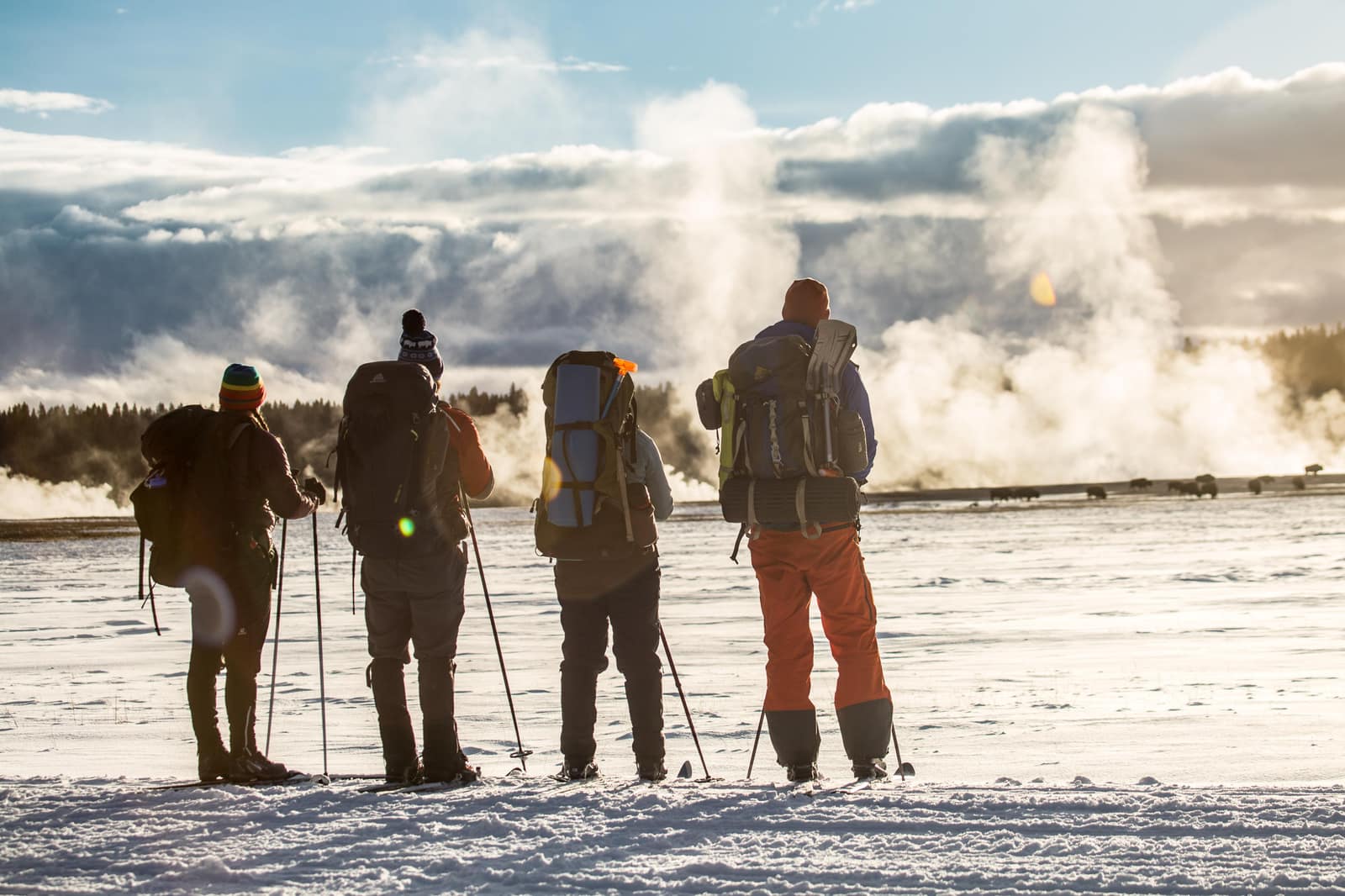
The northwest corner of Wyoming gets the most attention for geothermal features, and rightly so: Yellowstone holds more geysers, hot springs, and fumaroles than anywhere else on the planet. But soaking in Yellowstone’s thermal features is illegal and genuinely dangerous. The springs you want to sit in are elsewhere: a state park along the Bighorn River in Thermopolis, a Forest Service pool in the Bridger-Teton backcountry near Hoback Junction, a no-cost pool beside the North Platte in Saratoga, and a couple of Jackson-area options for visitors already in the northwest corner. For a full ranked list, the Best Hot Springs in Wyoming guide covers every major soak in the state. Here’s what you need to know about each one before you make the drive.
Hot Springs State Park in Thermopolis: The Anchor of It All
Thermopolis is a town of roughly 3,000 people in the Bighorn Basin, about 84 miles south of Cody on US-20 and approximately 2.5 hours from Jackson via US-26 and US-287. It would be a quiet ranching and tourism town except for what sits at its northern edge: Hot Springs State Park, where the main spring discharges roughly 1,040 gallons of mineral water per minute at about 135°F. That flow is cooled and routed to soaking facilities inside the park before anyone steps in.
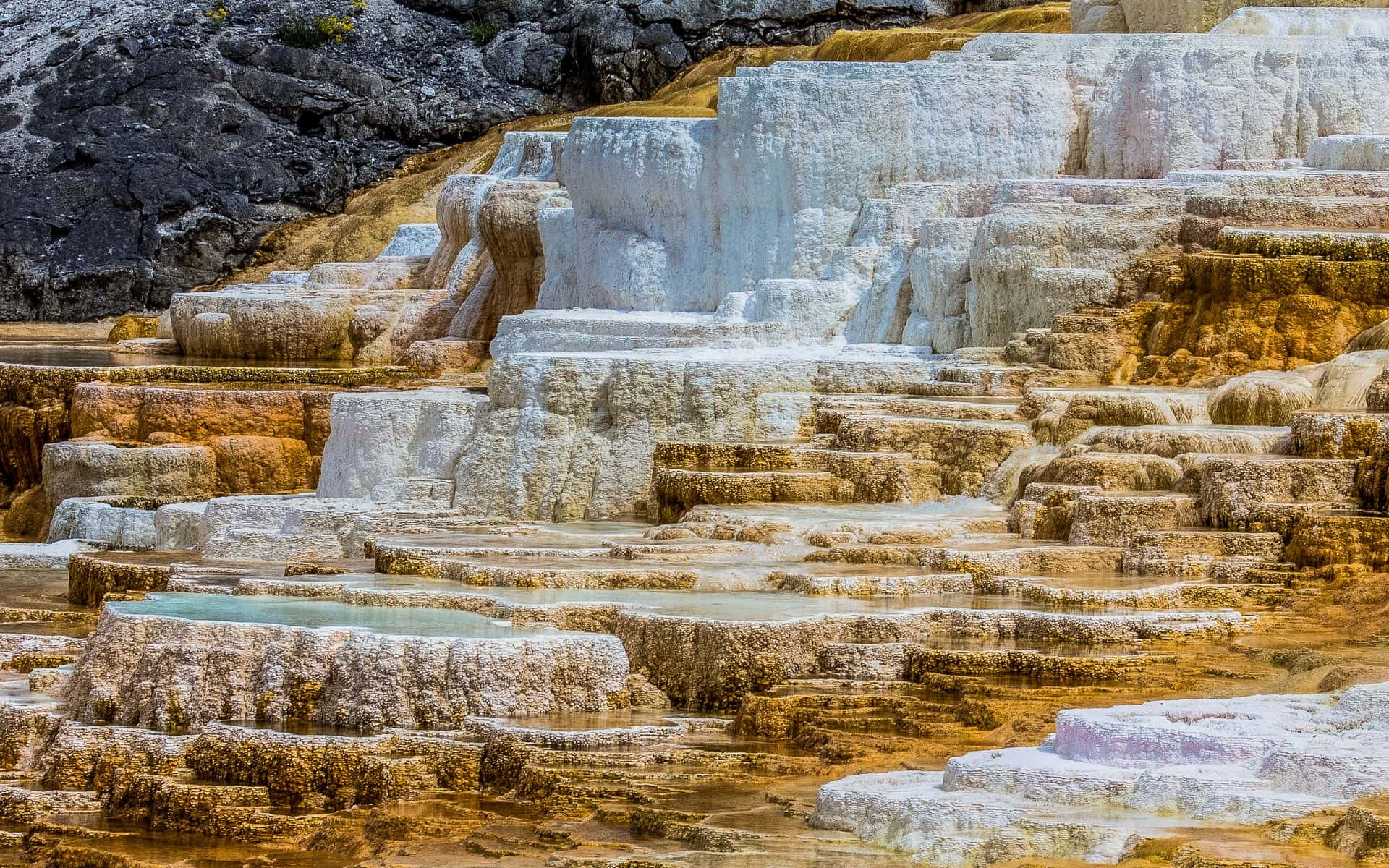
The park is free to enter and open year-round. The travertine terraces along the Bighorn River are worth seeing even if you skip the water entirely. Orange, rust, and ivory mineral deposits build up around the spring vents and run down toward the river, and a suspension footbridge crosses above the main terraces. The park also maintains a bison herd on the grounds, so it’s common to see a half-dozen animals grazing alongside the walking paths. After your soak, the Wyoming Dinosaur Center on Carter Ranch Road just south of the park is a legitimate stop: the museum holds real fossils excavated from local deposits, and the quality of the exhibits surprises most visitors who expect something modest for a town this size.
Inside the park, two separate facilities offer soaking access: the free State Bath House and the Star Plunge, a private concession with waterslides and a larger pool setup. The Star Plunge runs around $12 to $18 per person (estimate) depending on season and is the better choice for families with kids who want the full water park experience. For anyone just looking to soak, the State Bath House next door is the right call.
The State Bath House: Free, 20 Minutes, Worth It
The Hot Springs State Park Bath House on Tepee Street in Thermopolis runs on a time-slot system. You sign in at the front desk, move through the locker rooms, and get 20 minutes in the water. The pools, one indoors and one outdoors, both hold around 104°F. Most visitors say the indoor pool runs slightly hotter. The outdoor pool sits open-air with a view of the terraces; the indoor pool is covered and calmer. Both have the mineral scent that goes with geothermal water, which some people love and some tolerate.
There are no locks built into the lockers, so bring your own or leave valuables in the car. No charge for the soak itself. The Bath House keeps seasonal hours that shift slightly by time of year, with longer access in summer and reduced hours from late fall through early spring. Check current hours before making the drive, particularly if you’re coming from Cody (about 90 minutes) or Casper (about 2 hours north on US-20). The Bath House tends to open around 8 a.m. in summer and closes in the early evening. Weekday mornings are the quietest time.
Granite Hot Springs: The Backcountry Pool
About 10 miles east of Hoback Junction down Granite Creek Road (Forest Road 30500), a maintained Forest Service pool marks the end of a scenic canyon drive. Hoback Junction is 13 miles south of Jackson on US-89/191, making Granite Hot Springs the closest backcountry soak to the Jackson area. The gravel road is passable by most vehicles in summer and winds through Granite Creek Canyon past basalt walls, lodgepole pine, and good odds of seeing moose or mule deer.
The concrete-lined pool is fed by a natural spring and held around 93°F in summer. In winter, the temperature climbs toward 112°F as the surrounding air cools, which is why this is one of Wyoming’s most popular snowmobile destinations. Snowmobilers make the 10-mile run in when the road closes to cars, typically November through April. Admission runs around $8 per person (estimate). There are no full changing facilities, so come prepared to change in the parking area. The pool is open roughly late May through September by car; check with the Bridger-Teton National Forest for current-year conditions before driving in.
Saratoga’s Hobo Pool: Free, 24/7, Beside the North Platte
In Saratoga, a small ranching and fly-fishing town in south-central Wyoming, the Hobo Pool sits right at the edge of the North Platte River with no fee, no hours, and no reservations. The water runs between roughly 100°F and 115°F depending on recent flow and seasonal dilution from the river. The pool is basic: concrete edges, an open sky, and the North Platte a few feet away. It’s not manicured, but it’s the real thing.
Saratoga is about 65 miles northwest of Laramie via Wyoming Highway 130 through Centennial, a road that crosses the Medicine Bow Mountains and ranks as one of the more scenic stretches in the southeast corner of the state. From Jackson it’s a roughly 4-hour drive, making it better as a standalone day-trip destination or part of a route through southeast Wyoming than a quick detour on a Jackson-Yellowstone trip. If you’re going deeper on the best time to visit Wyoming, Saratoga is worth considering in fall: aspen color on the highway, fewer people at the pool, and elk in the valley.
Jackson-Area Options: Astoria and Kelly Warm Springs
If you’re already in Jackson and thinking about what to do in Jackson Hole in summer, two options are close enough to build into a day. Astoria Hot Springs sits at Hoback Junction, 13 miles south of Jackson on US-89/191, on the west bank of the Snake River. The site operated as a developed hot springs pool for decades, went through a closure period, and has since reopened under new management as an outdoor soaking facility. Pool temperatures hover around 100°F. It’s a working site rather than a resort, so expect a casual setup and modest amenities. Check operating status before driving out, as hours and conditions can change by season.
Kelly Warm Springs is a different experience entirely. It’s a natural geothermal feature inside Grand Teton National Park, about 12 miles north of Jackson off the Gros Ventre Road near the small community of Kelly. The water runs around 75 to 80°F, which puts it closer to a warm swimming hole than a proper hot spring by Wyoming standards. That said, the setting is genuinely good: clear water in a spring-fed pool surrounded by willows, with the Gros Ventre Range as a backdrop. It’s free, always accessible during daylight park hours, and easy to pair with the Gros Ventre Slide area and Kelly itself. Don’t expect a soak that warms you up on a cold day; it’s a summer swimming spot, not a winter therapeutic pool.
When to Visit Wyoming Hot Springs
Hot springs are one of the few Wyoming activities that work in every season. Hot Springs State Park in Thermopolis is open year-round, and the State Bath House runs through winter with reduced hours. Granite Hot Springs near Hoback is best in winter (December through March) when pool temperatures peak and snowmobile access makes it an adventure rather than just a drive. Saratoga’s Hobo Pool is free and open around the clock every day of the year. The Jackson-area options are most accessible June through September.
If you’re combining hot springs with the national parks, the most efficient routing goes: Jackson and Grand Teton in the northwest, Yellowstone via the south entrance, then east through Cody to Thermopolis on US-20, and south through Thermopolis toward Casper or back west. That puts Thermopolis at the natural end of a Wyoming parks loop rather than requiring a dedicated detour. Check the Wyoming Travel Guide for help fitting the drive times together. The Cody to Thermopolis stretch on US-20 goes through the Wind River Canyon, a 34-mile gorge where the highway runs beside the Bighorn River at the bottom of 2,500-foot walls, worth going slow regardless of where you’re headed next.
Frequently asked questions
Is it free to soak at Hot Springs State Park in Thermopolis?
The State Bath House inside Hot Springs State Park is free to use. You sign in at the front desk and get a 20-minute rotation in either the indoor or outdoor pool, both held around 104°F. The Star Plunge, a separate private concession within the park with waterslides and a larger pool, charges around $12 to $18 per person (estimate). The park itself has no admission fee.
Can you soak in Yellowstone’s hot springs?
No. Soaking in Yellowstone’s thermal features is illegal and genuinely dangerous. Water temperatures in many springs reach boiling point, and the ground near thermal features can be thin and unpredictable. The hot springs worth soaking in are outside the park: Thermopolis, Granite Hot Springs near Hoback Junction, and Saratoga are the main options in Wyoming.
How far is Thermopolis from Cody or Jackson?
Thermopolis is about 84 miles south of Cody on US-20, roughly 90 minutes. From Jackson, expect about 2.5 hours via US-26 east through Dubois and then south on US-287 to US-20. The route from Cody goes through the Wind River Canyon, which adds scenic value to an otherwise straightforward drive.
What is the best Wyoming hot spring for families with kids?
The Star Plunge at Hot Springs State Park in Thermopolis has waterslides and a kid-friendly pool setup, making it the most family-oriented hot spring facility in Wyoming. Admission runs around $12 to $18 per person (estimate). The free State Bath House next door has a 20-minute time limit and a quieter adult-leaning atmosphere, which suits older visitors more than small children.