Jackson Hole’s summer season runs from late May through early September, and those months pack in hiking, river floating, wildlife watching, and outdoor concerts without the road closures and ski traffic of winter. The valley floor sits at 6,200 feet with the Teton Range climbing another 7,000 feet above it, so even in July you’re looking at cool nights and serious afternoon thunderstorms rolling in off the peaks.
What Summer Looks Like in Jackson Hole
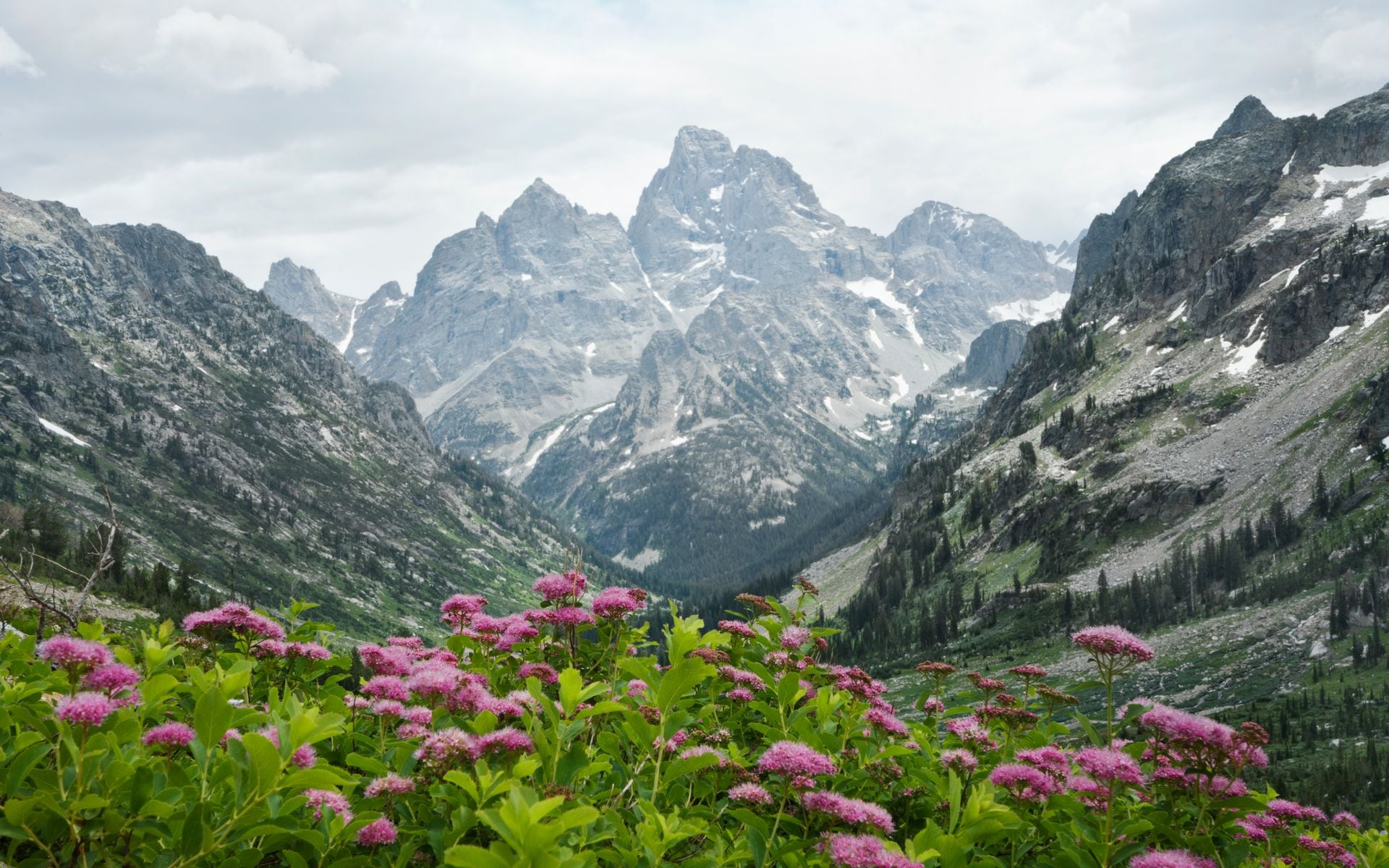
Jackson Hole is the valley, not just the town. It runs about 48 miles long and up to 8 miles wide, flanked by the Teton Range to the west and the Gros Ventre Range to the east. June is the quietest and greenest month, with wildflowers peaking in the high country from late June into the first week of July. By mid-July the crowds arrive in force: parking lots at Jenny Lake fill before 9 a.m., and midweek is no longer a reliable escape. If you want Jackson Hole without the full-summer congestion, the second week of June is the sweet spot: the Teton Park Road has just opened, trail parking is manageable, and daily highs regularly hit the upper 60s. For a fuller look at timing across Wyoming, the best time to visit Wyoming guide breaks down every season.
Peak summer lodging in Jackson runs $250-500 per night for mid-range hotels, and that is not a typo. Book at least 90 days out for July and August, especially if you want to stay in Jackson town itself rather than a motel in Dubois or Victor (an hour or more away). The town of Jackson sits at the south end of the valley, about 20 minutes from the Grand Teton National Park’s Moose entrance via US-89. The elk-antler arches on the town square are the photo stop everyone takes, but Jackson also has grocery stores, gear shops, and more restaurants per capita than it has any right to.
Things to Do: Mountain, River, and Trailhead
Jackson Hole Mountain Resort switches from ski mountain to summer playground in late June. The Aerial Tram climbs 4,139 vertical feet to Rendezvous Peak at 10,450 feet, with unobstructed views of the full Teton Range and the valley below. Tram tickets run an estimated $45-60 per adult; confirm current pricing directly with JHMR before you go. The resort also opens lift-served mountain biking on about 40 miles of trails, with rentals running approximately $60-90 per day for a full-suspension bike. Hikers can ride the tram up and walk down via the south end of the Teton Crest Trail. One insider note: Corbet’s Cabin, perched at the summit next to the tram terminal, serves fresh-made waffles with a view that most people only associate with winter. By 10 a.m. the line is already 20 minutes long.
The Snake River runs directly through the valley floor, and a float trip is the one thing most summer visitors wish they had done more of. Mad River Boat Trips and Jackson Hole Whitewater both run guided scenic and whitewater trips out of the Wilson Bridge and West Table areas. A standard 10-to-13-mile scenic float takes two to three hours; expect to pay an estimated $65-80 per adult for a guided trip. The calmer stretch near Deadman’s Bar is where moose wade into the river in early morning, sometimes with calves in tow. If a river float sounds like a full-day commitment, note that most trips launch by 9 a.m. and finish well before afternoon storms build. If horseback riding through the same country interests you more, see what staying on a Wyoming dude ranch looks like as a basecamp approach.
Grand Teton National Park
Grand Teton is about 20 minutes north of downtown Jackson via US-89/191. The 7-day vehicle pass runs $35 (verify the current NPS fee at recreation.gov before you go), or a $80 America the Beautiful annual pass covers all federal fee sites. The Teton Park Road, an inner road that runs parallel to the highway and gets you considerably closer to the peaks, is the heart of the park drive. It opens to cars in late April or early May, but the upper sections sometimes don’t clear completely until mid-June. Jenny Lake is the most visited stop: a 2-mile loop circles the lake at water level, and a shuttle ferry across (approximately $15 per person round trip) drops you at the trailhead for Cascade Canyon, Hidden Falls, and Inspiration Point. Allow three to four hours for the full ferry-and-hike loop.
Wildlife is the other reason to get into the park early in the day. Moose are common along Oxbow Bend on the Moran Junction stretch of US-89. Pronghorn feed along the sagebrush flats near Antelope Flats Road. Black bears occasionally show in the Berry Creek drainage near the park’s northern edge. For organized wildlife watching, BrushBuck Wildlife Tours and Jackson Hole EcoTour Adventures both run morning and evening tours timed around peak animal activity, typically departing around 5:30-6 a.m. or 6 p.m. A guided wildlife tour runs an estimated $75-120 per person depending on group size and duration. Mid-afternoon in July is when several thousand other people are parked at Oxbow Bend with the same camera gear; plan accordingly.
Food, Town Life, and the National Elk Refuge
The National Elk Refuge runs along the east edge of Jackson and holds up to 11,000 elk from November through May. In summer the herd is in the high country, but bison still graze along US-89 inside the refuge boundaries, and the visitor center north of town gives a useful orientation to the Greater Yellowstone ecosystem. It’s free to drive through and takes about 30 minutes at a relaxed pace. The Greater Yellowstone Visitor Center inside the refuge on North Cache Street is worth 20 minutes of your time if you want to understand the scale of the landscape you’re in.
Jackson’s restaurant scene is the best in Wyoming, period. Persephone Bakery on East Broadway handles the best morning coffee and pastry stop in town, with a line that usually clears by 9 a.m. Hand Fire Pizza on Mercill Avenue is the reliable late option after a long trail day, with a wood-fired crust that holds up well to loaded toppings. For a full sit-down dinner, the Gun Barrel Steak and Game House on West Broadway serves elk medallions, bison ribeye, and Wyoming beef in a room hung with trophy mounts. Virginian Restaurant on West Broadway is the no-fuss locals’ breakfast option that doesn’t require a reservation. And if you make it up the JHMR tram, Corbet’s Cabin serves waffles with fresh seasonal toppings at the summit.
Getting There and Moving Around
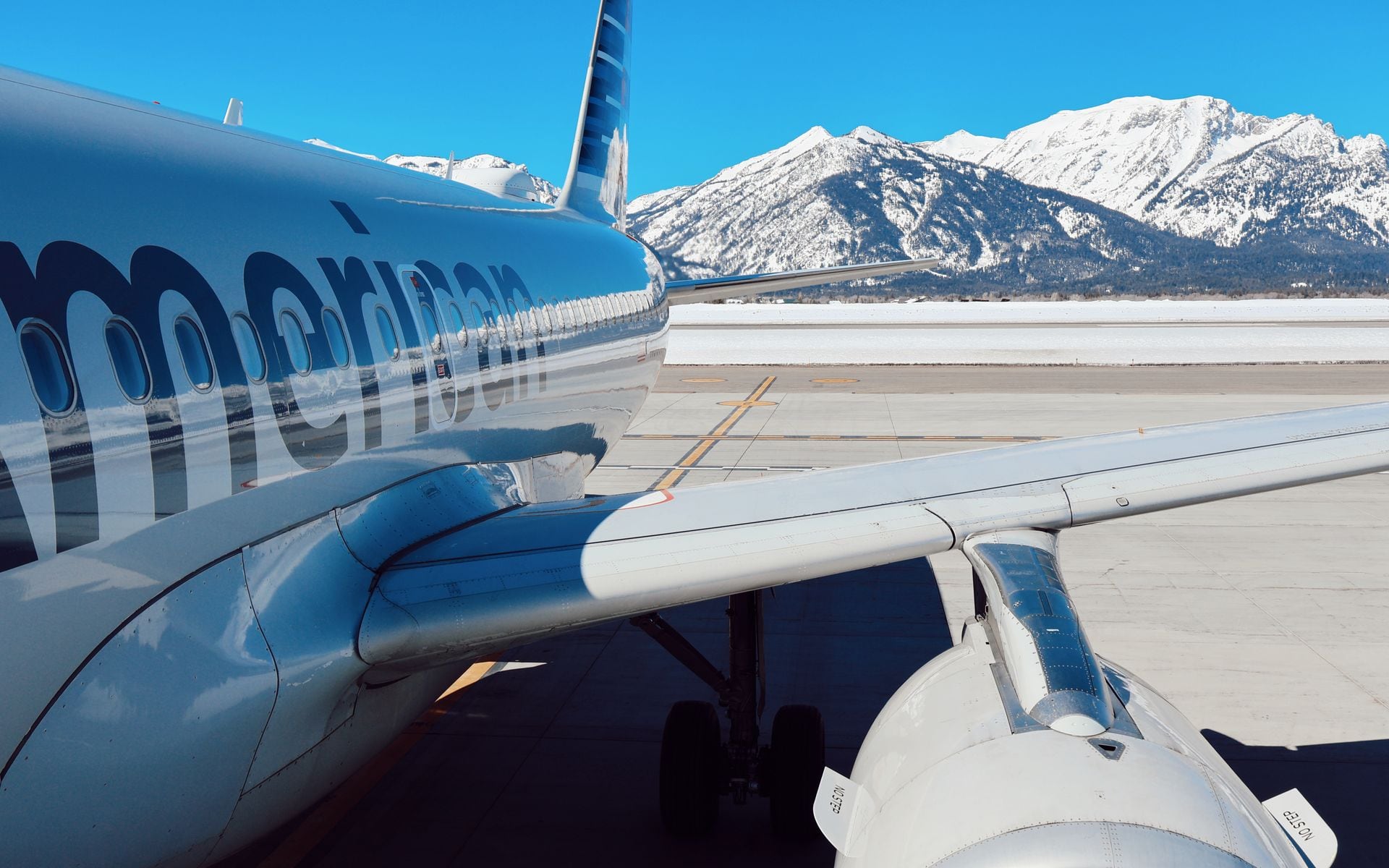
Jackson Hole Airport (JAC) sits inside Grand Teton National Park, 8 miles north of downtown Jackson, which makes it the only commercial airport in the US located inside a national park. Direct flights connect from Denver (DEN), Salt Lake City (SLC), Dallas, Chicago, and several other hubs seasonally. Summer seats fill fast, especially on the DEN and SLC routes; booking in March or April for July travel is not excessive. Renting a car at JAC is effectively required. You will spend real time driving between Jackson town, the parks, and Teton Village (the resort base about 12 miles northwest of town). The START Bus runs free between downtown Jackson and Teton Village and saves you a $20 Teton Village parking fee on days you’re headed to the resort. Budget extra drive time on US-89 through the park in July: the road runs single-lane in sections, and wildlife jams can add 20-30 minutes without warning.
Afternoon thunderstorms build over the Tetons most days by 2-3 p.m. from late June through August. Plan your hikes to be off exposed ridgelines by noon, and always carry a rain layer. If you want to understand what the valley looks like in the opposite season, Wyoming in winter covers skiing, snowmobiling, and the quieter pace of Jackson in deep snow. And the Wyoming Travel Guide maps out the full state if you’re adding Cody, Thermopolis, or Cheyenne to your itinerary.
Frequently asked questions
When is the best time to visit Jackson Hole in summer?
June is the least crowded and least expensive month, with green meadows and wildflowers peaking in the high country by late June. July and August are warmer and fully open but significantly more congested, especially at Jenny Lake and the Moose entrance to Grand Teton. If you want peak wildflowers in Cascade Canyon, target the last two weeks of June or the first week of July. Weekdays are meaningfully less crowded than weekends throughout the summer.
Do you need a reservation to enter Grand Teton National Park in summer?
Grand Teton does not require a timed-entry reservation to drive in. However, in-park campgrounds tell a different story. Jenny Lake Campground (49 sites) fills by 8 a.m. in peak summer and is walk-up only, meaning no reservations. Colter Bay Campground is reservable through recreation.gov and books out weeks ahead for July and August. In-park lodging at Jenny Lake Lodge and Jackson Lake Lodge should be reserved six to twelve months in advance. Day visitors without camping plans can arrive at any time; just budget for parking lot waits at the most popular trailheads during mid-morning in July.
How much should I budget for a summer trip to Jackson Hole?
Jackson Hole is Wyoming’s most expensive corner by a meaningful margin. Mid-range hotels in Jackson town run $250-450 per night in July and August, with resort properties at Teton Village climbing higher. A 7-day national park pass is approximately $35 (verify current NPS pricing). Add a float trip ($65-80 per person), the JHMR Aerial Tram ($45-60 per person), and restaurant meals in the $25-55 per person range for dinner, and a 5-day trip for two typically runs $3,000-5,000 all in before flights. Coming in June or early September, or booking lodging in the town of Wilson or outside the valley, can cut that significantly.