If your Wyoming trip takes you anywhere near Yellowstone, Grand Teton, the Wind River Range, or the Shoshone National Forest, the short answer is yes: carry bear spray, know how to use it, and keep it somewhere you can reach in under three seconds.
Which Parts of Wyoming Are Bear Country
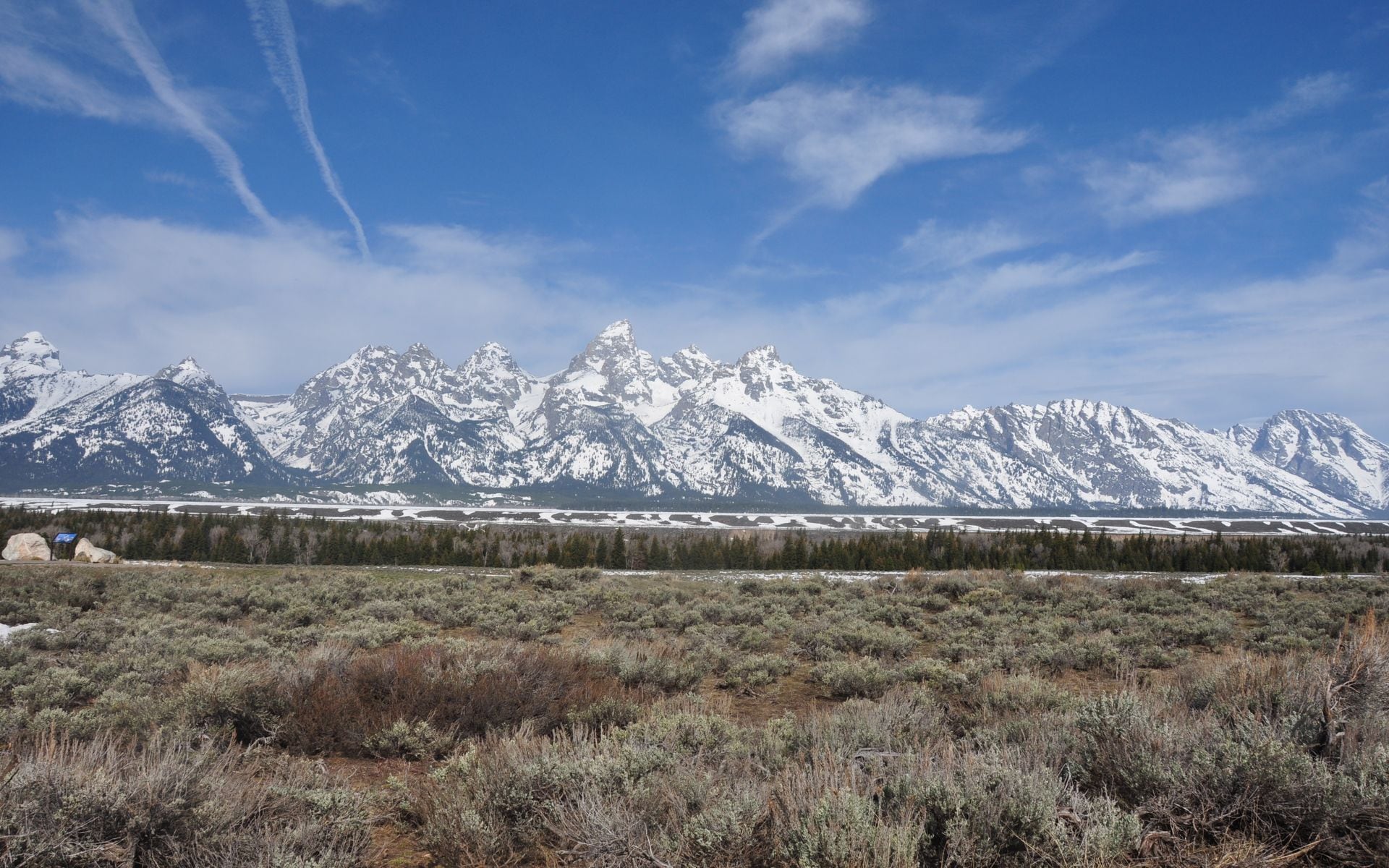
Wyoming is home to both grizzly bears and black bears, but not in equal density everywhere. Grizzly country is concentrated in the Greater Yellowstone Ecosystem: the parks themselves, the Bridger-Teton National Forest south of Grand Teton, the Shoshone National Forest flanking Yellowstone’s east and southeast edges, and the Absaroka Range between Cody and the park boundary. Lamar Valley in Yellowstone’s northeast corner is some of the most grizzly-dense terrain in the Lower 48, with sow and cub groups visible along the road most mornings from May through October. The Tetons backcountry (Cascade Canyon, Death Canyon, Paintbrush Canyon) is active grizzly range, as is the Wind River Range north of the Pinedale-area trailheads.
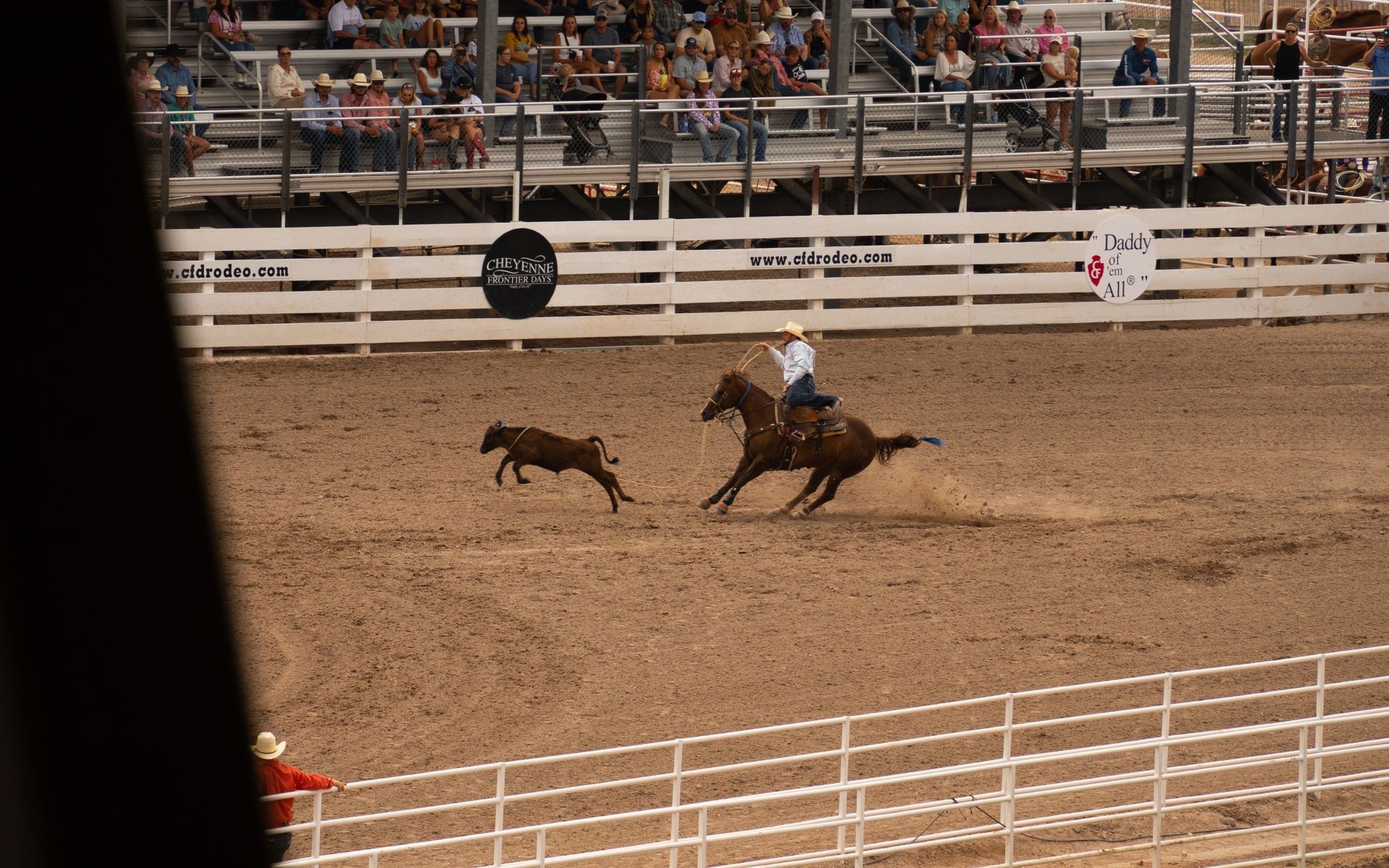
Black bears range more widely. They appear in the Bighorn Mountains above Sheridan, in the pine forests near Devils Tower and Sundance in the northeast, in the Snowy Range near Laramie, and throughout Wyoming’s forested mountain terrain. If you’re hiking into any of these areas, keeping spray clipped to your hip is not overkill. If you’re wandering the boardwalks of Jackson’s town square or watching the Cheyenne Frontier Days parade in the state capital, you can leave it in the car.
Bear Spray Works, and Research Backs It
Multiple peer-reviewed studies, including work published in the Journal of Wildlife Management, have found bear spray more effective than firearms at stopping a bear charge and reducing injury to humans. The spray creates a cone of capsaicin gas roughly 20 to 30 feet wide that overwhelms a bear’s sensitive nasal passages and eyes. A firearm requires accurate marksmanship under extreme stress, aimed at a grizzly covering 30 feet per second. Spray requires pointing and pressing a trigger. The Wyoming Game and Fish Department, the National Park Service, and every experienced Wyoming backcountry guide recommend it as the primary defense, and most guided backcountry trips require clients to carry it.
The full picture of bear behavior in Wyoming, food storage regulations, and situational safety protocols is on our Wildlife and Bear Safety page. This post sticks to the spray itself: what to buy, how to carry it, how to use it, and how to get it when you land.
How to Carry and Deploy Bear Spray Correctly
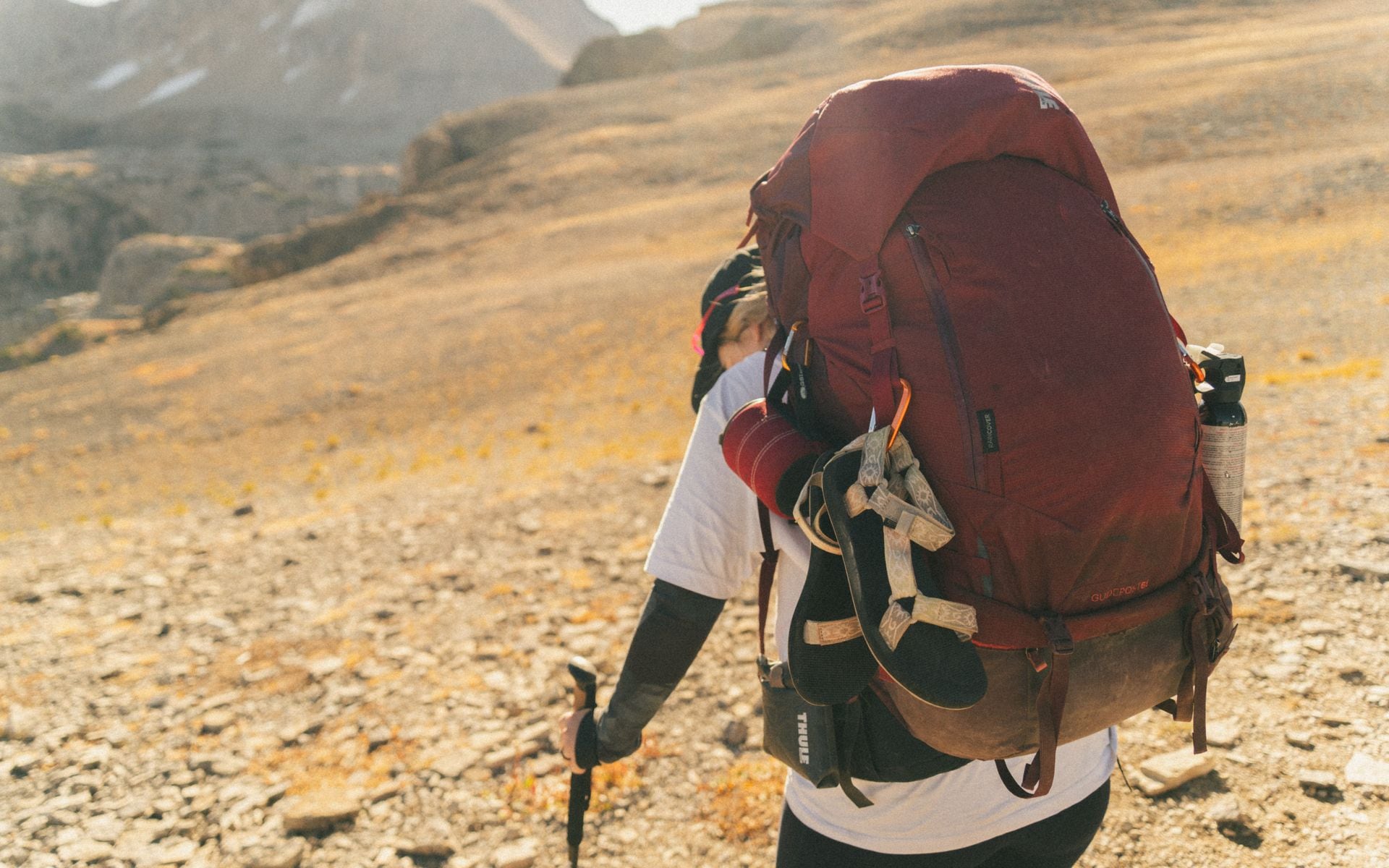
Bear spray belongs on your hip holster or chest harness, not buried in your pack’s side pocket. Bears charge at roughly 30 to 35 mph. If you have to dig the canister out of your bag under that pressure, you’ve already lost the window. Belt holsters are inexpensive, sold at every outdoor retailer in Jackson and Cody, and often bundled with the canister at no extra cost.
Practice the draw-and-spray motion at home before you hit the trail: release the safety clip with your thumb, tilt the canister at a roughly 45-degree angle downward so the cloud expands at face level, and press the trigger. When a bear is closing on you, start spraying at 60 feet to create a barrier of capsaicin between you and the animal. Spraying earlier wastes propellant; spraying later shortens your margin. Wind direction matters: if the wind is coming at your face, the cloud comes back at you. Read conditions before you press the trigger.
Making noise is the other half of trail safety in Wyoming bear country, and it costs nothing. Bears surprised at close range are the most dangerous, particularly in thick willows along stream bottoms and near rushing water where they cannot hear or smell you coming. On popular Grand Teton backcountry trails like Cascade Canyon and Death Canyon, hollering “hey bear” every minute or two is practical, not theatrical. Groups of four or more hikers experience far fewer dangerous encounters than solo hikers or pairs. If your group is small, keep members close together and keep the noise going around blind corners and through any terrain where you cannot see more than 20 feet ahead.
Per National Park Service guidelines, maintain at least 100 yards of distance from bears and wolves, and 25 yards from bison and elk. If a bear closes inside that gap and is behaving defensively (popping its jaw, bluff-charging, making short rushes), deploy the spray. If the charge looks predatory (the bear is quiet and focused), fight back aggressively. Bear spray handles both scenarios better than most visitors expect, because the spray can stop an approach before it becomes physical contact.
Buying, Renting, and Transporting Bear Spray
Canisters retail for roughly $40 to $55 at outdoor shops and park visitor center stores throughout Wyoming. Look for a minimum 7.9-ounce capacity and a capsaicin concentration of at least 1 percent to meet EPA standards. Counter Assault and UDAP are the two brands you’ll find most reliably. The Yellowstone General Stores inside the park carry both. Outdoor shops in Jackson and Cody stock them year-round.
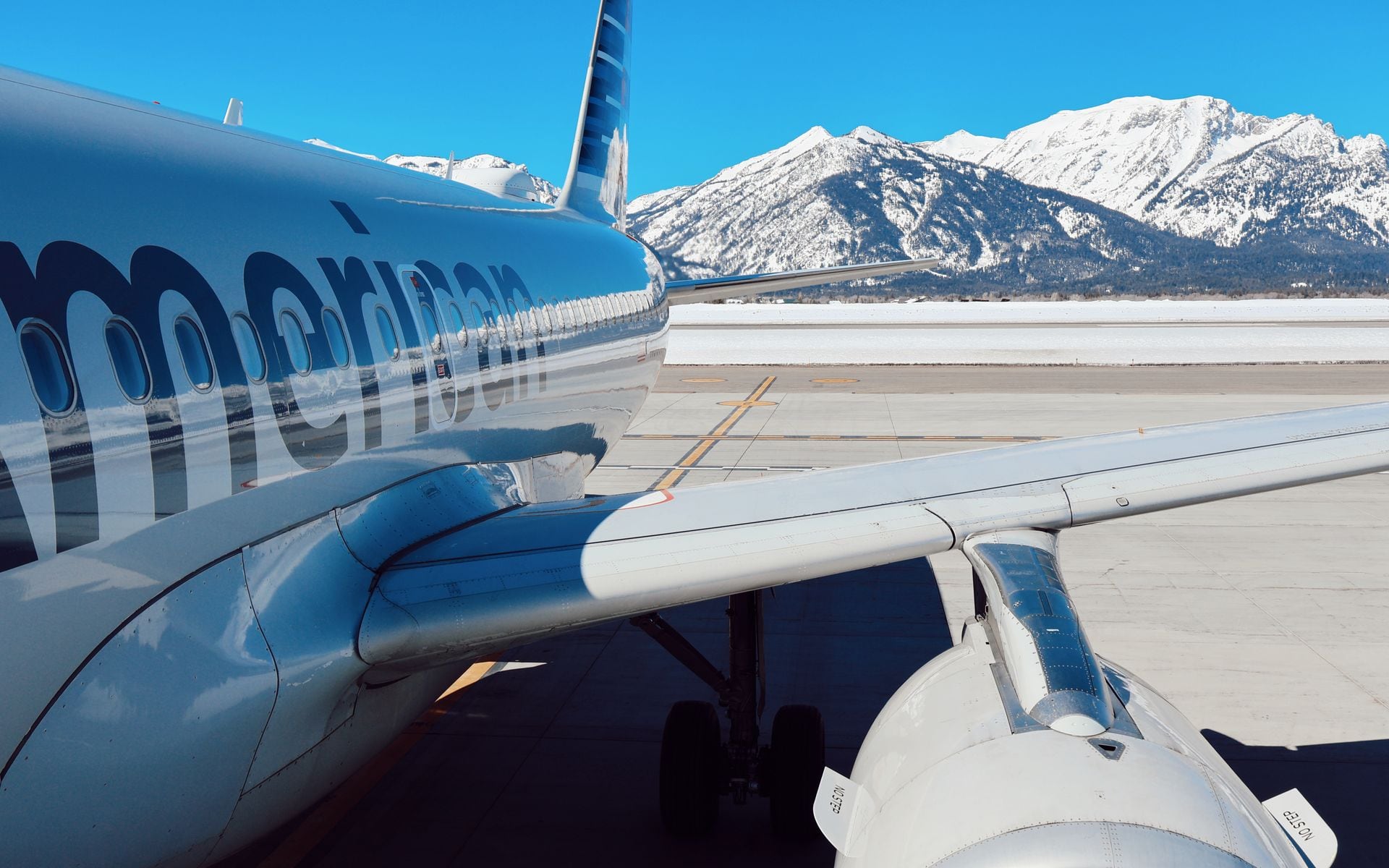
If you’re flying into Jackson Hole Airport (JAC) or Yellowstone Regional Airport in Cody (COD), you cannot bring bear spray as a carry-on item, and most airlines will not accept it in checked baggage either because it is classified as a hazardous compressed gas. Your practical options are to buy or rent it on arrival. Several Jackson outfitters rent canisters for around $5 to $10 per day. Reserving a rental in advance is the simplest approach: pick it up when you arrive, drop it off when you fly home. If you drive to Wyoming, you can bring canisters in your vehicle without restriction.
In Jackson, Teton Mountaineering on Cache Street and Skinny Skis near Town Square carry Counter Assault and UDAP year-round, priced around $45 to $55. Hoback Sports in Jackson also stocks canisters and holsters through the summer season. For daily rentals, Teton Backcountry Rentals charges around $5 to $7 per canister; book at least a day ahead in July and August when inventory runs thin. In Cody, Sunlight Sports on Sheridan Avenue is the right stop before you drive up the highway toward Yellowstone’s East Entrance. If you enter the park from the North or West and need to restock mid-trip, the general stores at Canyon Village and Fishing Bridge both carry canisters and holsters.
Bear Canister Requirements in the Parks
Bear spray is for close encounters. Bear canisters are for keeping bears out of your food while you sleep. Grand Teton National Park requires bear-resistant food canisters for overnight backcountry campers, and bringing spray without a canister will leave you out of compliance. Yellowstone requires approved food-storage methods at all backcountry campsites. Hard-sided canisters can be rented at park visitor centers for roughly $3 to $5 per day, or bought outright for $70 to $100 at outdoor retailers. Both items travel in a car just fine.
Bear activity peaks at two points in the Wyoming calendar: spring (late April through June), when bears come out of hibernation and feed aggressively, and late summer into fall (August through October), when they build fat reserves before denning. Summer afternoons in Yellowstone’s Lamar and Hayden valleys and along the Antelope Flats road in Grand Teton see the highest concentrations of roadside sightings. Your overall timing in Wyoming affects what you’ll encounter, and planning around the active months is one of the smarter things you can do. For a broader look at the full trip, including where to go beyond the parks, start at the Wyoming Travel Guide. And if your itinerary includes a soak after the hike, the best Wyoming hot springs are worth building in.
Frequently asked questions
Is bear spray required in Yellowstone National Park?
Bear spray is not legally required in Yellowstone, but the National Park Service strongly recommends it for all backcountry travel and for any frontcountry area with active bear sightings, including Lamar Valley and Hayden Valley. Many guided backcountry trips require all participants to carry it. Backcountry campsite regulations require approved food storage, which is separate from carrying spray.
Can I bring bear spray on a plane to Wyoming?
No. Bear spray is a pressurized hazardous material and is not accepted in carry-on or checked baggage by most commercial airlines. If you’re flying into JAC or COD, plan to buy or rent on arrival. Outdoor shops in both Jackson and Cody stock canisters, and several outfitters in Jackson offer daily rentals for around $5 to $10.
Does bear spray work on grizzlies?
Yes. Research consistently shows bear spray is highly effective at stopping grizzly bear charges. Multiple peer-reviewed studies have found spray redirects or stops the majority of documented grizzly encounters. The Wyoming Game and Fish Department and the National Park Service recommend it as the primary defense for both grizzly and black bear encounters.
When does bear spray expire?
Most canisters have a shelf life of three to four years, printed on the label. Expired canisters may have reduced range or spray pressure. Check the date before you leave for Wyoming. Renting a canister on arrival ensures you get a fresh one. If you’re buying at home to drive in, check the expiration date at purchase.
Are there grizzly bears outside Yellowstone in Wyoming?
Yes. The grizzly population in the Greater Yellowstone Ecosystem extends well beyond the park boundaries. Active grizzly range includes the Shoshone National Forest east of Yellowstone, the Bridger-Teton National Forest south of Grand Teton, the Absaroka Range near Cody, and the northern Wind River Range. Anyone hiking or camping in these areas should carry bear spray.