Wyoming’s reputation as expensive travel starts and ends in Jackson Hole. Outside that valley, the state is one of the more affordable Western destinations you can plan a week around.
The Short Answer on Wyoming Trip Costs
Wyoming costs depend almost entirely on where you stay and when you go. Jackson Hole prices during July and August rival mountain resort towns anywhere in the country: hotel rooms run $200 to $550 per night and a sit-down dinner for two can land you $80 to $120 before drinks. The rest of the state tells a different story. Cody, Sheridan, Lander, Thermopolis, and Laramie all run on ordinary mid-range pricing, and most of Wyoming’s best outdoor experiences, including hiking inside Yellowstone and Grand Teton and driving the Wind River Range, cost nothing beyond a park entry fee.
The right framing is not whether Wyoming is expensive but which Wyoming you are visiting. A family camping the national parks and cooking most of their meals can do a full week for under $200 per day total. A couple basing in Jackson with guided fly fishing and resort dinners will spend $600 to $900 per day without trying. Our full Wyoming Trip Cost and Budget guide breaks down the numbers region by region so you can plan for the version of the state that fits your trip. You can also browse the Wyoming Travel Guide for more on where to go and what to prioritize.
Park Entry Fees
Both Yellowstone and Grand Teton charge $35 per vehicle for a 7-day pass (estimated 2025 rate). If you plan to hit both parks plus Devils Tower National Monument or any other federal fee site during the trip, the America the Beautiful annual interagency pass runs about $80 and covers every federal fee area in the country for a full calendar year. One family visiting Yellowstone, Grand Teton, and Devils Tower on a single trip earns that $80 back immediately.
Not everything costs money at the gate. Hot Springs State Park in Thermopolis, about 130 miles southeast of Yellowstone’s South Entrance via US-20, is free to enter, and soaking at the State Bath House costs nothing. Ranger-led talks inside Yellowstone and Grand Teton, including geyser programs at Old Faithful and wildlife presentations at the Moose Visitor Center, are included with park admission. The 1.3-mile loop trail at the base of Devils Tower comes with the park entry, which runs $25 per vehicle as a separate fee site.
Lodging: Where You Sleep Changes Everything
Lodging is the biggest cost lever in any Wyoming trip. In Jackson proper during peak summer, mid-June through Labor Day, budget $200 to $550 per night for a standard hotel room, with the high end at resort properties around Teton Village and the Jackson Hole Mountain Resort base. Traveling in late May, early June, or September typically cuts those rates 20 to 30 percent, and the parks are less crowded at both ends of the summer window.
Gateway towns lower the bill without sacrificing access. Cody sits 52 miles from the East Entrance to Yellowstone along US-14/16/20, one of the most scenic approach roads in the country. Hotels in Cody run $110 to $200 per night in peak summer. From there you can be inside the park in under an hour, drive the Wapiti Valley through the Shoshone National Forest past the Absaroka Range, and reach both the Hayden and Lamar valleys the same day.
In-park lodging at Old Faithful Inn or Jackson Lake Lodge is a different category, for experience and for price. These properties run $200 to $500 per night in peak summer and sell out six or more months in advance. When the National Park Service lodging reservation system opens in January, slots at the most popular properties go within hours. If in-park lodging is on your list, mark that date and be ready.
Campgrounds in Yellowstone run roughly $25 to $54 per night depending on hookups and facility level, with a mix of reservable and first-come sites. If the lottery for Yellowstone campgrounds is more stress than it is worth, the Shoshone National Forest on the Cody side offers dispersed camping and established sites at lower cost and with far less competition.
What Food Costs in Wyoming
Jackson restaurant prices reflect the resort economy: expect $22 to $50 for a dinner entree and $16 to $24 for a burger at a casual spot. Groceries in the Jackson area are also higher than the Wyoming average because most goods truck in over a mountain pass. If you can stop at a larger grocery store in Driggs, Idaho, about 30 minutes over Teton Pass on US-26, or stock a cooler in Pinedale or Cody before entering park country, you will pay noticeably less for the same items. This is one of the most practical cost-saving moves that repeat Wyoming visitors make, and it is worth doing before you get to Jackson.
Outside the Jackson valley, Wyoming dining is priced more like any mid-sized Western city: $13 to $28 for a full dinner in Cody, Sheridan, or Laramie. Packing a cooler for days inside the parks is standard practice for good reason. Most campgrounds and major pullouts inside both Yellowstone and Grand Teton have picnic tables and, in some areas, fire grates. Cutting two restaurant meals a day down to one can reduce daily spending by $40 to $80 per person.
Activity Costs: Free vs. Guided
Hiking, scenic drives, and wildlife watching in Wyoming are low-cost or free once you have paid park entry. The Lamar Valley in the northern tier of Yellowstone, about 50 miles from the Northeast Entrance near the town of Cooke City, Montana, is arguably the best roadside wildlife viewing in the contiguous United States, and you need nothing but binoculars and patience to make the most of it. The Gros Ventre Slide area east of Jackson and the National Elk Refuge just north of town offer free winter wildlife viewing during November through March.
Guided experiences add real cost but also real access. A guided fly fishing float on the Snake River through Grand Teton runs $350 to $700 for two people for a full day (estimated range from licensed outfitters). A half-day wildlife safari in the Lamar Valley with a professional naturalist guide typically runs $85 to $140 per person. Snowmobiling tours out of Cody or from the West Yellowstone area on the Montana side run $160 to $280 per person per day depending on destination and duration. Winter lift tickets at Jackson Hole Mountain Resort run $150 to $230 per day at the window (estimated), with discounts available for multi-day purchases made weeks in advance.
For families weighing which guided activities are worth adding for kids, the Wyoming with Kids guide covers which experiences land well with children and which ones work better for adults.
Getting There: Flights and Car Rental
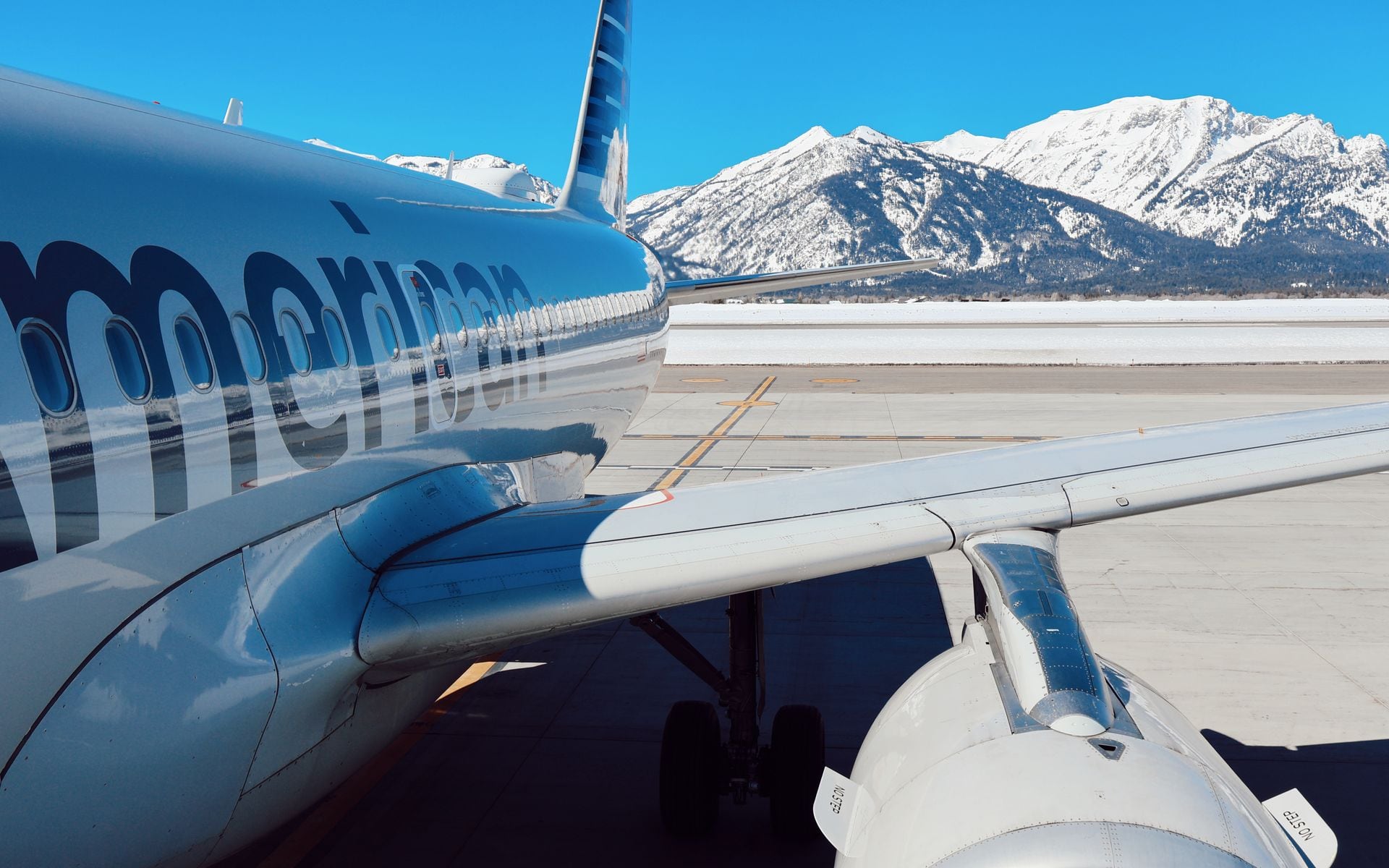
Jackson Hole Airport (JAC) is the most convenient arrival point for the parks and Jackson, but fares typically run $100 to $250 more per round trip than flying into Salt Lake City (SLC) or Denver (DEN) and driving in. Salt Lake City to Jackson is about 5.5 hours on US-89 north through the Cache and Star valleys. Denver to Jackson runs about 8.5 hours via I-25 north and US-26 west. Our full guide to flying into Jackson Hole Airport covers those tradeoffs, the parking situation at JAC, and how to decide whether the premium fare is worth it based on your itinerary.
Car rental at JAC runs higher than the Wyoming average, especially in summer: budget $70 to $125 per day for a standard SUV (estimated). Renting at SLC or DEN and driving north often costs less, and you gain flexibility along the way. Regardless of where you land, a car is not optional in Wyoming. There is no statewide transit system and no meaningful rideshare network outside the town of Jackson. Every itinerary here is a self-drive trip.
When to Visit for Lower Prices
The price curve in Wyoming tracks the crowd curve almost exactly. July and August are peak on both dimensions, particularly in Jackson and the two national parks. The best time to visit Wyoming depends on what matters most to you, but for cost, two shoulder windows consistently offer the best combination of value and access.
Late May through early June offers shoulder pricing at most lodging properties and solid conditions for the core experiences. Bear activity in the parks is high, wildflowers are starting in the lower elevations, and the Teton Park Road and Lamar Valley are generally accessible. Some high passes, including the Beartooth Highway near Cooke City, may still be closed or just opening in late May.
September is the stronger shoulder option for most visitors. The elk rut peaks mid-month, filling the meadows near Moose Junction and the hillsides along the Gros Ventre River with bugling bulls and sparring matches. Aspen groves across the Bighorn Mountains and along the Snake River corridor go gold by late September. Lodging prices drop substantially after Labor Day, and most visitor facilities stay open through mid-October. The crowds inside Yellowstone drop noticeably even in early September, making it easier to find a parking spot at Old Faithful or spend time at Mammoth Hot Springs without fighting tour buses.
Frequently asked questions
How much does a week in Wyoming cost?
A realistic range for a week (seven days, two adults) spans from roughly $1,400 to $2,000 total at the budget end (camping, cooking most meals, self-guided hiking and park driving) to $6,000 to $10,000 at the mid-to-high end (hotels in Jackson, restaurant dinners, two or three guided activities). The single biggest variables are whether you base in Jackson or a less expensive gateway town like Cody or Sheridan, and how many guided tours you add.
Is Jackson Hole worth the high prices?
That depends on what you are after. Jackson Hole puts you closest to Grand Teton National Park, gives you access to the town square restaurants and nightlife, and puts you at the base of Jackson Hole Mountain Resort for winter skiing. If those are central to your trip, the premium is real but makes sense. If your main goals are wildlife watching in the Lamar Valley, hiking in the Wind River Range, or exploring Yellowstone from the east, you can base in Cody or Pinedale for considerably less and not sacrifice the experiences that matter most.
Can you visit Yellowstone on a tight budget?
Yes, especially if you camp. A 7-day vehicle pass to Yellowstone is $35, and campgrounds inside the park run $25 to $54 per night. Add a cooler of food stocked before you enter park country and daily costs for a couple drop to $60 to $100. Ranger-led programs and self-guided drives along the Grand Loop Road are included in your entry fee. The Lamar Valley wildlife corridor from the Northeast Entrance is one of the most rewarding wildlife experiences in North America and costs nothing beyond park admission.
What is the cheapest month to visit Wyoming?
March and April offer the lowest lodging rates, but most of Yellowstone is closed to vehicles, mountain passes can be icy, and the high country in the Wind River Range and Bighorns is not accessible. For practical travel with good value, May and September offer the best balance: meaningful discounts off summer peak pricing, most major roads open or opening, and strong wildlife activity. September in particular combines lower prices with the elk rut, which is one of the most spectacular seasonal events in Wyoming.