Wyoming is not a theme park, and it is not trying to be one. The distances are real, the weather changes fast, and the wildlife operates on its own schedule. But those are also the reasons kids often respond to Wyoming more viscerally than to anyplace else they have been.
Wyoming Is Well-Suited for Families (If You Plan It Right)
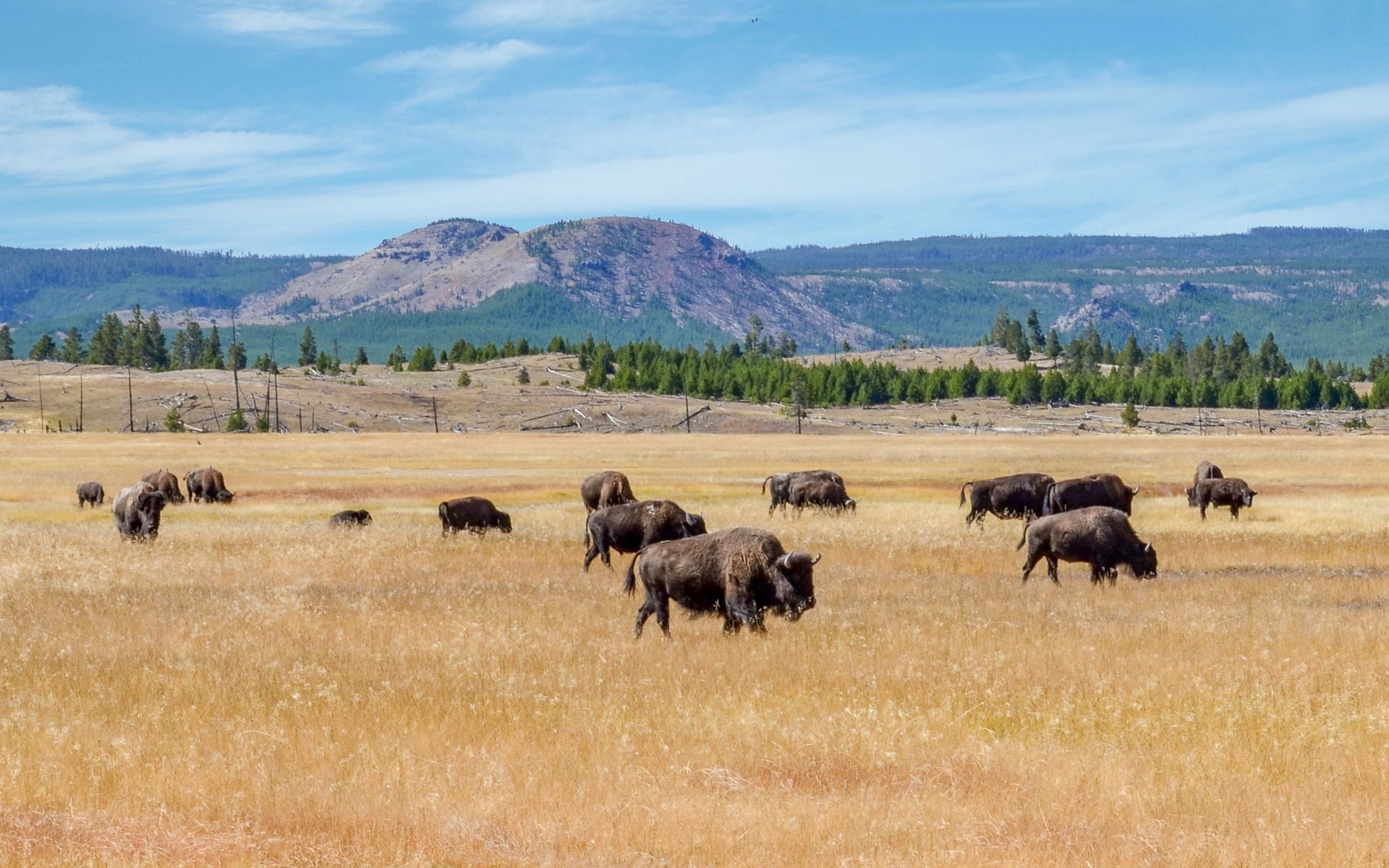
The state’s most famous draws, Yellowstone and Grand Teton, happen to be among the most family-readable national parks in the country. Old Faithful erupts on a roughly 90-minute schedule, which is something kids can track and anticipate. Hayden Valley puts bison herds close enough to the road that younger children can watch from the car window and still understand what they are seeing. Grand Teton’s String Lake loop runs 3.7 miles of flat-to-gentle trail with a swim beach and unobstructed views of the full Teton Range the whole way around. The payoff-to-effort ratio on these experiences is high even with strollers, car seats, and a seven-year-old who declared ten minutes ago that they are done walking.
The key logistics note for any Wyoming family trip: you will cover a lot of ground by car. Jackson to the South Entrance of Yellowstone is about 45 minutes. Once inside the park, Hayden Valley sits another 30-plus miles north of the entrance. Plan each day around one anchor activity and let the scenery fill the rest. For a structured day-by-day routing that adapts well for families, the 5 Days in Wyoming itinerary is a useful starting template. Wyoming rewards travelers who read the map before they commit to a schedule, and the Wyoming Travel Guide lays out the full scope of the state before you start drawing lines on a map.
The National Parks with Kids
Grand Teton tends to be the easier starting point with younger children. The String Lake loop (3.7 miles, minimal elevation gain) works for kids as young as 5 or 6, and the Colter Bay area has a paved visitor center, a marina, and an easy 0.5-mile lake loop that handles a jogging stroller without trouble. For older kids, Jackson Hole Mountain Resort runs a scenic aerial tram to the 10,450-foot summit all summer, a ride that asks nothing athletic and delivers unobstructed views north into the Tetons and south over the whole valley. The summer tram runs June through September, with tickets around $40 per adult and $24 per child.
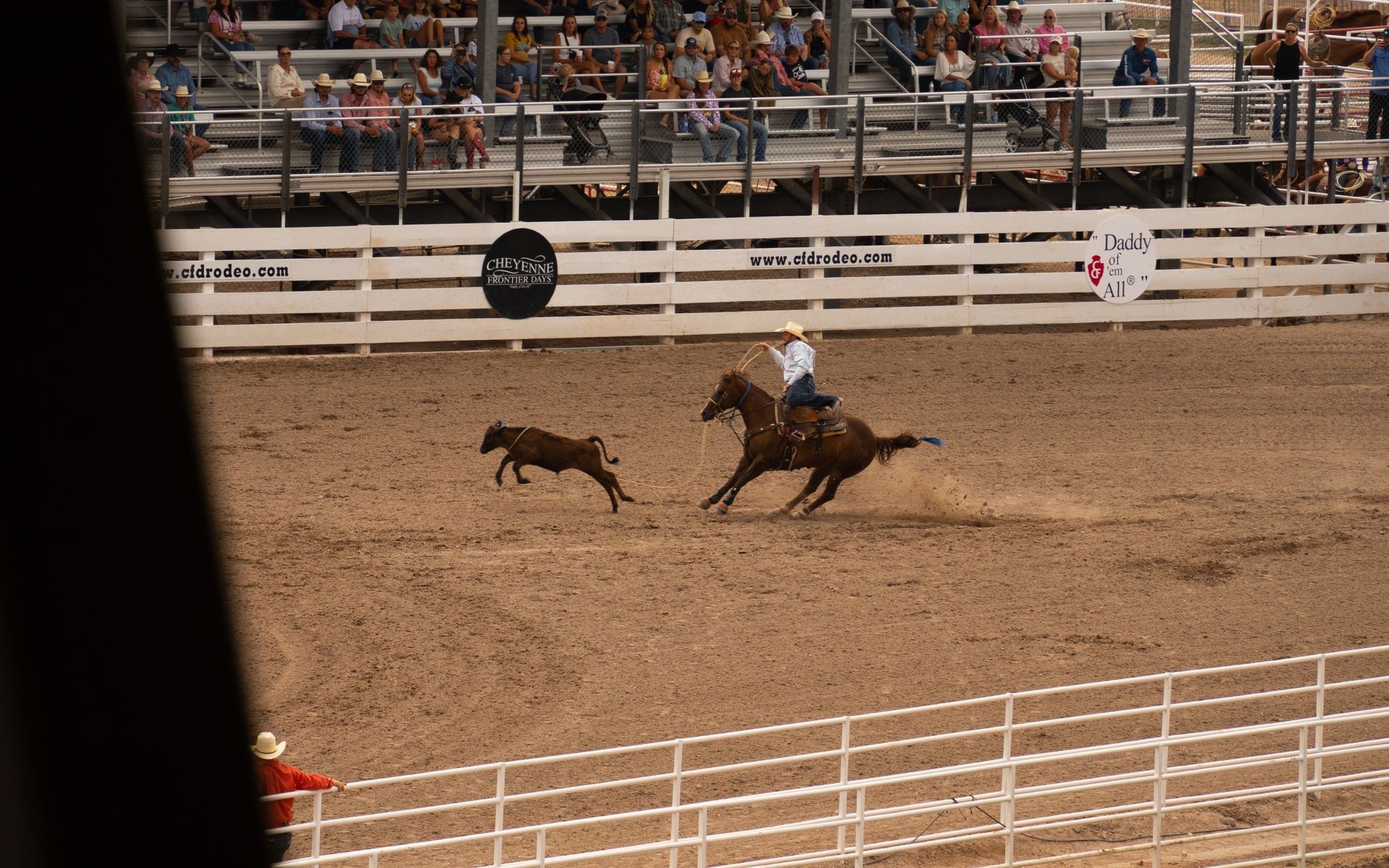
Yellowstone’s biggest kid moment is Old Faithful, but do not stop there. Drive south to the Mud Volcano area and let younger kids smell the sulfur and watch the Dragon’s Mouth Spring churn and growl; it is far more theatrically interesting than the text description suggests. Work through Hayden Valley slowly, with windows down, and let kids count bison. The Grand Canyon of the Yellowstone, with the Lower Falls dropping 308 feet into an orange-and-yellow gorge, stops conversations mid-sentence regardless of age. The park’s junior ranger program is free at every visitor center and keeps older kids actively engaged across a full day of stops. The Cody Nite Rodeo, 52 miles east of Yellowstone’s East Entrance, runs every evening from June through August, with tickets around $25 to $30. The format is tight enough that kids stay engaged through the end, and the arena sits right in town so there is no long drive back to the hotel afterward.
Beyond the Parks: Kid-Friendly Stops Worth Adding
Hot Springs State Park in Thermopolis costs nothing to enter, and the State Bath House’s mineral pools are free to soak in. The Wyoming Dinosaur Center, a few blocks away in Thermopolis, is one of the most underrated family stops in the state: real fossils excavated from local sites, touchable replica bones, and a working quarry that visitors can tour separately. Combined, those two stops make a half-day worth the detour even if Thermopolis was not in the original plan. The town sits about 2.5 hours southeast of Cody and roughly 3 hours from Jackson via US-26 through Dubois, so it works naturally as a transitional stop rather than a standalone destination.
In Jackson, the National Elk Refuge runs horse-drawn sleigh rides across the refuge floor each winter, roughly December through March, at around $30 per adult and $20 per child. The herd can top 7,000 animals in peak winter, close enough that kids reliably lose their composure. During summer, wildlife tour companies like BrushBuck Wildlife Tours and Jackson Hole EcoTour Adventures run family-friendly morning tours in Grand Teton and Yellowstone that provide spotting scopes and binoculars. For a kid who has not yet learned to scan sagebrush for an animal that blends in, a guide with a scope changes the experience completely.
In Cheyenne, Terry Bison Ranch lets families interact with a working bison herd on guided wagon tours, feed ostriches, and overnight in cabins. It sits about 10 minutes south of downtown Cheyenne off I-25 and hits a different note than the park circuit: more tactile, more hands-on, and well-suited to the 4-to-8 age group that sometimes struggles with the scale and stillness of a long wildlife drive.
When to Bring the Kids
July is the family peak for a reason. Yellowstone’s roads are fully open, Grand Teton’s Jenny Lake boat tours are running, and the days run long enough that 8 p.m. golden light over the Tetons does not mean anyone missed bedtime. The tradeoff is crowd pressure: Old Faithful’s parking lot fills by mid-morning on peak summer days, and campsite reservations inside both parks are gone months in advance. For a full breakdown of tradeoffs by month, the best time to visit Wyoming makes the case for June and September as less-crowded alternatives worth considering.
Early June is underrated for families willing to tolerate some weather variability. Crowds are lighter, many high-elevation wildflowers are still in bloom, and it is cool enough that younger kids do not hit the afternoon meltdown wall from heat. The risk: lingering snow can close some trails and the Teton Park Road’s northern section may not open until mid-June. Check park road status the week before you arrive.
September is the elk rut month. Bulls start bugling in the meadows around Moose and Antelope Flats in Grand Teton by mid-September, and hearing that sound for the first time across a still valley at dawn is not something kids forget. Crowds thin out noticeably after Labor Day, campground availability improves, and visitor center lines rarely require more than a five-minute wait.
Practical Notes for Families
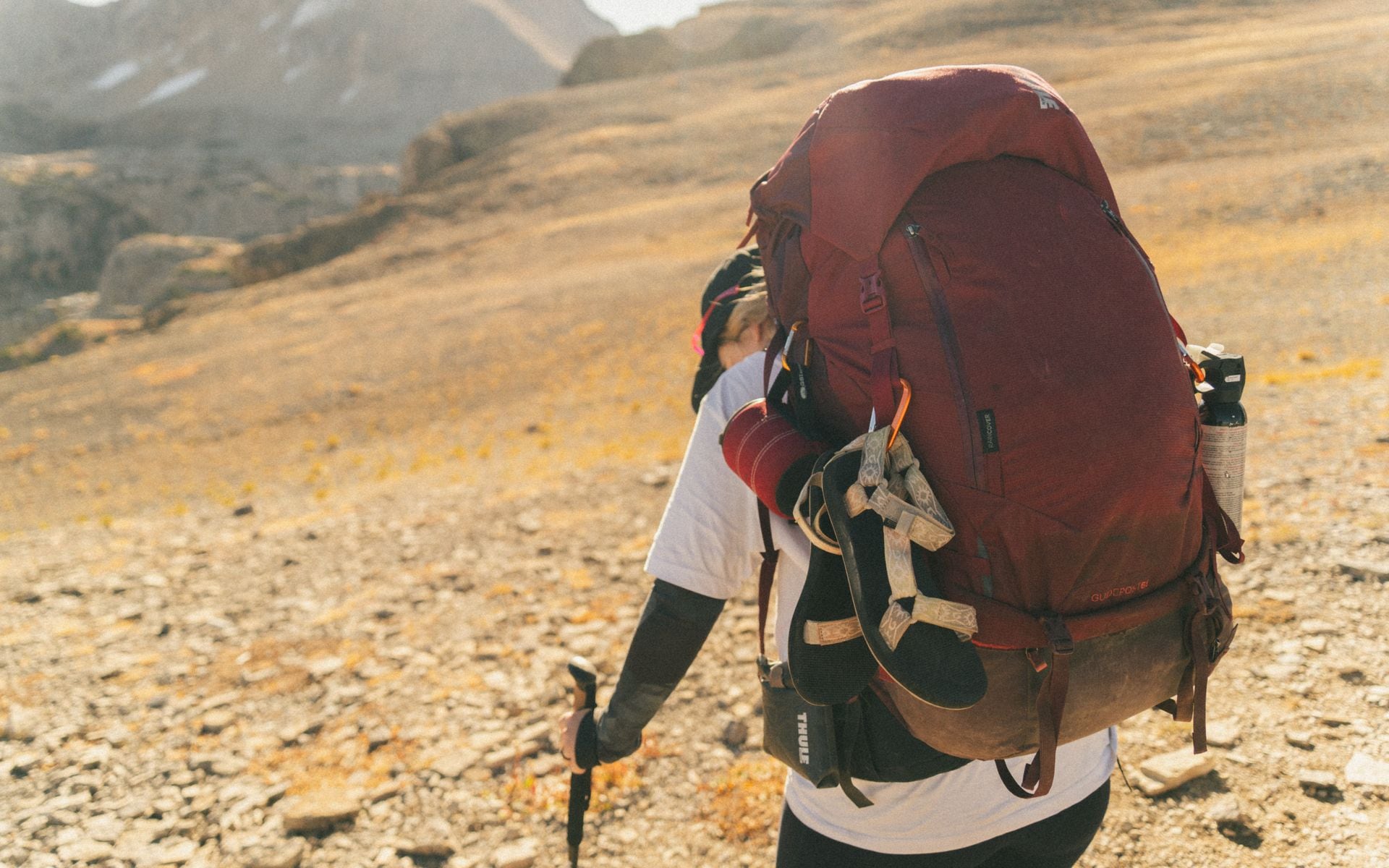
Bear spray is standard gear any time you leave the car in Yellowstone or Grand Teton. Carry it matter-of-factly, brief everyone on the basics before the first hike, and move on. Do you need bear spray in Wyoming covers when, where, and how to use it. Canisters rent for around $10 to $15 per day at gear shops in Jackson and Cody. Keep 100 yards between the group and any bear or wolf, and 25 yards from bison and elk. Those distances feel generous in theory and sometimes less so when a bull bison is standing near the road shoulder, so set the expectation with kids before they reach for their phones.
Altitude is a real factor coming from sea level. Jackson sits at 6,200 feet. The Yellowstone plateau runs above 7,500 feet across most of its interior. Kids sometimes feel altitude-related headaches or fatigue more sharply than adults do on the first day. A lighter schedule on arrival and consistent hydration both help. Wyoming weather also rewards layering at any time of year; July mornings above 8,000 feet can start genuinely cold before the afternoon warms.
If a hot-springs soak fits the itinerary, note that most backcountry thermal pools are either off-limits to visitors or far too hot for children. For developed options that are safe and accessible, the best Wyoming hot springs to soak in lists the ones worth the stop. The Thermopolis State Bath House is the clearest family choice: free entry, staffed facility, and a developed state park with bathrooms and a full parking lot.
Frequently asked questions
What age is Wyoming good for with kids?
Younger kids, even toddlers, do well in Wyoming because so much of the wildlife viewing happens from the car window. Bison in Hayden Valley and the National Elk Refuge sleigh rides are accessible at any age. Hiking opens up around 5 or 6 for easier trails like the String Lake loop in Grand Teton. Older kids (10 and up) get more from the junior ranger program, spotting-scope wildlife tours, and the Snake River Canyon float south of Jackson, which runs mild Class II to III rapids over a 13-mile stretch that most outfitters recommend for kids 8 and up.
Is Wyoming safe for kids with bears around?
Yes, with standard precautions. Carry bear spray in bear country (Yellowstone, Grand Teton, the Wind River Range), keep kids within sight when away from developed areas, and follow all wildlife distance rules: 100 yards from bears and wolves, 25 yards from bison and elk. Thousands of families visit both national parks each summer without incident. The risk rises when people approach wildlife for a photo or hike remote terrain without spray; a well-planned family trip on established trails does not require either of those.
Which Wyoming national park is better for young kids, Yellowstone or Grand Teton?
Grand Teton is the easier park for children under 7: shorter drives between stops, trails with less elevation change, the String Lake swim beach, and no long interior loops. Yellowstone has a higher wow factor for older kids, particularly Old Faithful, the Grand Canyon of the Yellowstone, and Hayden Valley bison. If you only have one full day per park, spend it in Grand Teton with kids under 7 and in Yellowstone with kids 8 and older. Both parks together is the first-timer standard for families with a week or more.