A week at a Wyoming dude ranch is about as different from a hotel stay as you can get, which is exactly the point. Here is what to expect, what it costs, and how to choose the right property.
What a Wyoming Dude Ranch Vacation Looks Like
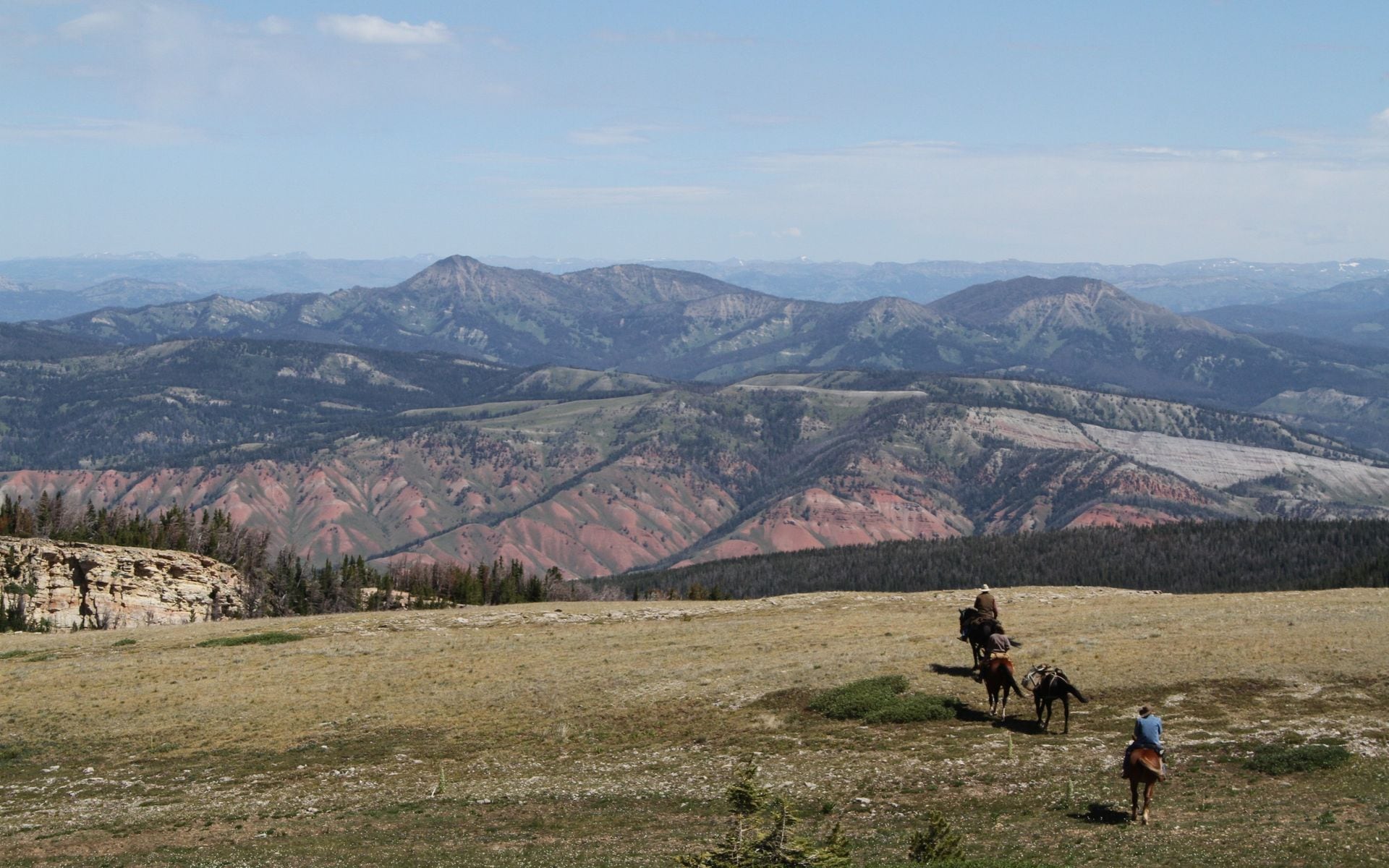
Most Wyoming ranches are all-inclusive by design. You pay one weekly rate, show up with your boots and a tolerance for early mornings, and the rest is handled: three meals a day in the main lodge, guided horseback rides every morning and sometimes afternoon, and staff who know every name in camp by day two. No staring at a restaurant app at 7 p.m. wondering where to eat. Ranches in the northwest corner of the state, near Dubois and the upper Wind River Valley, tend to have the most dramatic settings, with the Absaroka Range or the Wind River Range closing in on three sides. Sheridan-area ranches sit in high-plains meadow terrain with easier riding and long sight lines across the Tongue River basin.
The daily rhythm is consistent across most properties: up early for a trail ride, back for lunch, free time in the afternoon for fishing the ranch creek, napping, or whatever activities the property offers, then dinner together as a group. Evening entertainment might be a bonfire, a square dance, or nothing more than the sky going dark over the sagebrush. That last option is not a downside.
What’s Included, and What Isn’t
The all-inclusive formula covers meals, horses, guiding, and most on-ranch activities. What varies is what “activities” means. A higher-end operation might build in a half-day cattle drive, fly-fishing instruction on a private stretch of river, and a guided pack trip into the surrounding wilderness. A more basic operation means daily trail rides and not much else. Ask specifically before you book exactly what is included and what costs extra. Guided fishing trips off the ranch often run $350 to $550 per person per day on top of the weekly rate, so budget for that if fishing is a priority.
Weekly all-inclusive rates at Wyoming dude ranches typically run $2,500 to $4,500 per person during peak season (late June through August), with some premium properties reaching $5,500 or more for a week. Off-season spring weeks in May and early June can run 30 to 40 percent lower and are worth considering if your dates are flexible. At Terry Bison Ranch Resort near Cheyenne, the model is different: you book individual nights, feed bison from a train, take horseback rides, and stay without committing to a full week, which suits road-trippers who want a taste of ranch life without the seven-night minimum.
When to Book, and When to Go
The main season runs June through mid-September. July and August are peak: full capacity, the most activities running, the best high-country trail access, and correspondingly the highest rates and the most competition for spots. Many ranches book out peak weeks 8 to 12 months in advance. If you are planning a July or August stay, start looking the previous fall. Spring weeks (late May and early June) offer lower prices and fewer guests, but some high mountain trails are still holding snow in early June, and the upper Wind River country above Dubois does not fully clear until late June.
September is the sleeper. Ranch rates drop, crowds thin, and the high country is often at its best, with aspens going gold in the mountains west of Dubois and elk beginning to move down from the Absarokas toward the valley floor. The best time to visit Wyoming for a ranch stay is a genuine debate between July (warm, everything open, peak experience) and September (quiet, affordable, better wildlife). For first-timers who have schedule flexibility, September is worth strong consideration.
How to Choose the Right Ranch for Your Trip
The most important question to answer before booking is how much structure you want. Full guest ranches are immersive: same wrangler every morning, set mealtimes, communal tables, a group program. Resort-style operations let you opt in and out of activities daily, which suits families with children at different ability levels or couples who want the ranch setting but prefer a flexible schedule. Moose Creek Ranch in Teton Valley, based out of Victor just over Teton Pass from Jackson (about 45 minutes from the JAC airport), offers horseback trail rides, fly fishing, and easy access to both the Snake River drainage and Grand Teton’s south entrance. It is a workable choice for travelers who want ranch activities plus the option to drive into the park on a day trip.
For northwest Wyoming with a quieter setting, Kodiak Mountain Resort near Afton sits in the Salt River Range corridor with horseback riding, fishing, and wildlife viewing. It works well as a ranch base for travelers also considering whether to split time between Yellowstone and Grand Teton, since both south gates are within driving range. For a full breakdown of Wyoming ranch options by region and price range, see the best dude ranches in Wyoming.
The Cody corridor is worth considering if your trip includes the East Entrance to Yellowstone. Several ranches operate in the Wapiti Valley along the North Fork of the Shoshone River, roughly 26 miles west of Cody on US-20. Crossed Sabres Ranch and Bill Cody Ranch both sit in this canyon, offering horseback riding in terrain that climbs toward Yellowstone’s boundary. Weekly all-inclusive rates here tend to run $2,800 to $3,800 per person, and because Cody is a practical stop with the Buffalo Bill Center of the West about 30 minutes east, these ranches suit travelers pairing a ranch week with a park visit. The North Fork drainage holds good brown and rainbow trout water from late June through September, and the canyon narrows as you gain elevation toward the park boundary, so the scenery changes noticeably on rides that head upriver.
For families with young children, look at ranches that explicitly list a children’s program with its own wranglers and age-appropriate rides rather than just noting that kids are welcome. A dedicated children’s program typically means a separate trail group, a slower pace, and activities scaled to a 6-year-old’s attention span. That detail is worth a phone call before you book if anyone under 10 is coming along.
What to Pack and How to Prepare
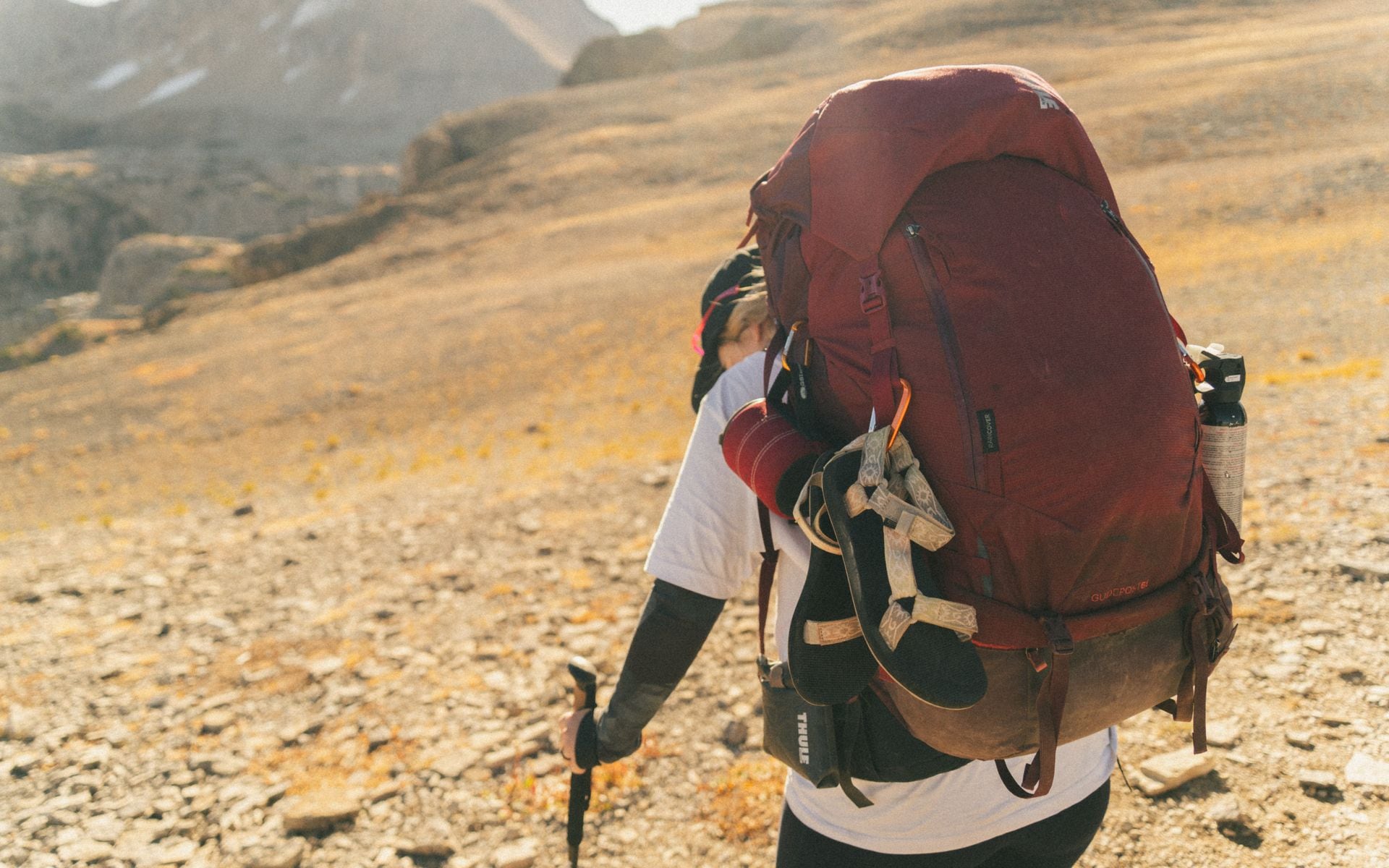
Jeans are the baseline, real denim rather than stretch fabric that slides against a saddle. Long-sleeve shirts work better than T-shirts for both sun protection at high elevation and cooler mornings, which can run 40 to 50 degrees Fahrenheit at 7,000 to 8,000 feet even in July. Boots with a small heel are required for stirrups. Most ranches rent them but sizes run limited, so bring your own if you own a pair. A light insulated jacket and a packable rain layer are not optional in Wyoming summer, even during a warm week. Afternoon thunderstorms build over the mountains with little warning from July onward.
If this is your first time on a horse, say so upfront. Wyoming ranch wranglers are accustomed to total beginners, and a good one will put you on the right horse and build the lesson curve accordingly. Do not overstate your riding experience to get a faster or more reactive animal. That situation ends poorly, and a competent wrangler figures it out by the end of the first ride anyway. For broader trip planning, the Wyoming Travel Guide covers everything from airports to park timing, and reading up on how many days you need in Wyoming helps if you are pairing a ranch stay with a national park swing before or after.
Frequently asked questions
How much does a Wyoming dude ranch vacation cost?
All-inclusive weekly rates typically run $2,500 to $4,500 per person during the main summer season (late June through August), with some premium ranches reaching $5,500 or more per week. Spring shoulder weeks in May and early June often run 30 to 40 percent lower. Gratuities for wranglers and kitchen staff are customary and not usually included in the rate; plan on 10 to 15 percent of the total stay cost as a tip budget.
How far in advance do I need to book a Wyoming dude ranch stay?
For peak-summer weeks (mid-July and August) at well-regarded properties, expect to book 8 to 12 months in advance. If you are targeting peak season, start looking the previous fall. September and late-May weeks are more available with 3 to 6 months of lead time. Most full guest ranches require a minimum 3-to-7-night stay rather than individual nights, so factor that into your planning.
Do I need riding experience to stay at a Wyoming dude ranch?
No. Most guest ranches actively welcome complete beginners and match horses and trail difficulty to your experience level. If you have riding background, let them know at booking so they can place you on an appropriate horse. Children as young as 6 are commonly accommodated at family-oriented properties, and many ranches offer separate beginner instruction alongside more experienced riders.
What is the difference between a full guest ranch and a resort-style ranch?
A full guest ranch runs on a set weekly schedule: communal meals at fixed times, a dedicated wrangler, and a group program that all guests follow together. A resort-style ranch lets you pick and choose activities each day, typically with a la carte pricing for rides and guided trips rather than one bundled weekly rate. The right fit depends on whether you want total immersion in the ranch routine or the freedom to mix in day trips to places like Grand Teton National Park or Yellowstone.