Wyoming is wider than most people expect: the northwest corner where Yellowstone and Grand Teton sit is more than 5 hours of driving from Cheyenne, and towns are genuinely far apart. Three days works for one area, five days covers both national parks at a comfortable pace, and a week gives you room to push past the park circuit and find a Wyoming that feels nothing like the summer crowd.
The Short Answer: 3, 5, or 7 Days
Three trip lengths map cleanly onto three versions of Wyoming. Three days is the floor, enough for one corner done well. Five days is the first-timer sweet spot, enough for both Yellowstone and Grand Teton without a daily sprint to the car. Seven days or more opens the rest of the state, including Cody, the Bighorns, Hot Springs State Park in Thermopolis, and the Wind River Range. Wyoming rewards the traveler who carves out more time, but it also respects the one who picks a lane and commits to it.
One thing that throws people off: the two national parks are not practically next door to each other. The South Entrance to Yellowstone from Grand Teton is close, under an hour by road. But if your plan involves Yellowstone and Cody and Sheridan and Jackson, you are looking at 400-plus total driving miles between those stops. That is not a problem with enough days; it is just something to understand before you book four nights and expect to cover it all.
What a 3-Day Wyoming Trip Looks Like
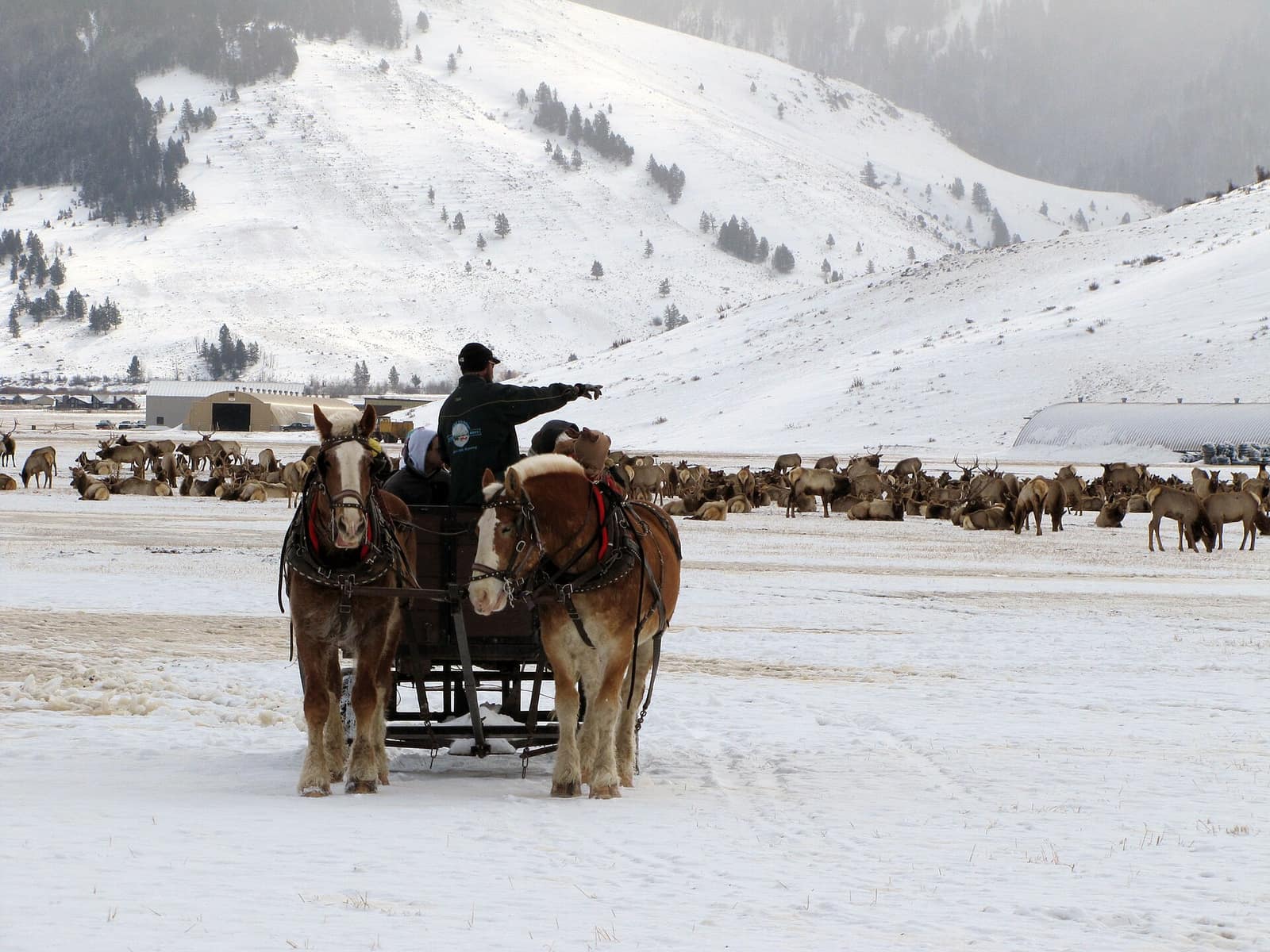
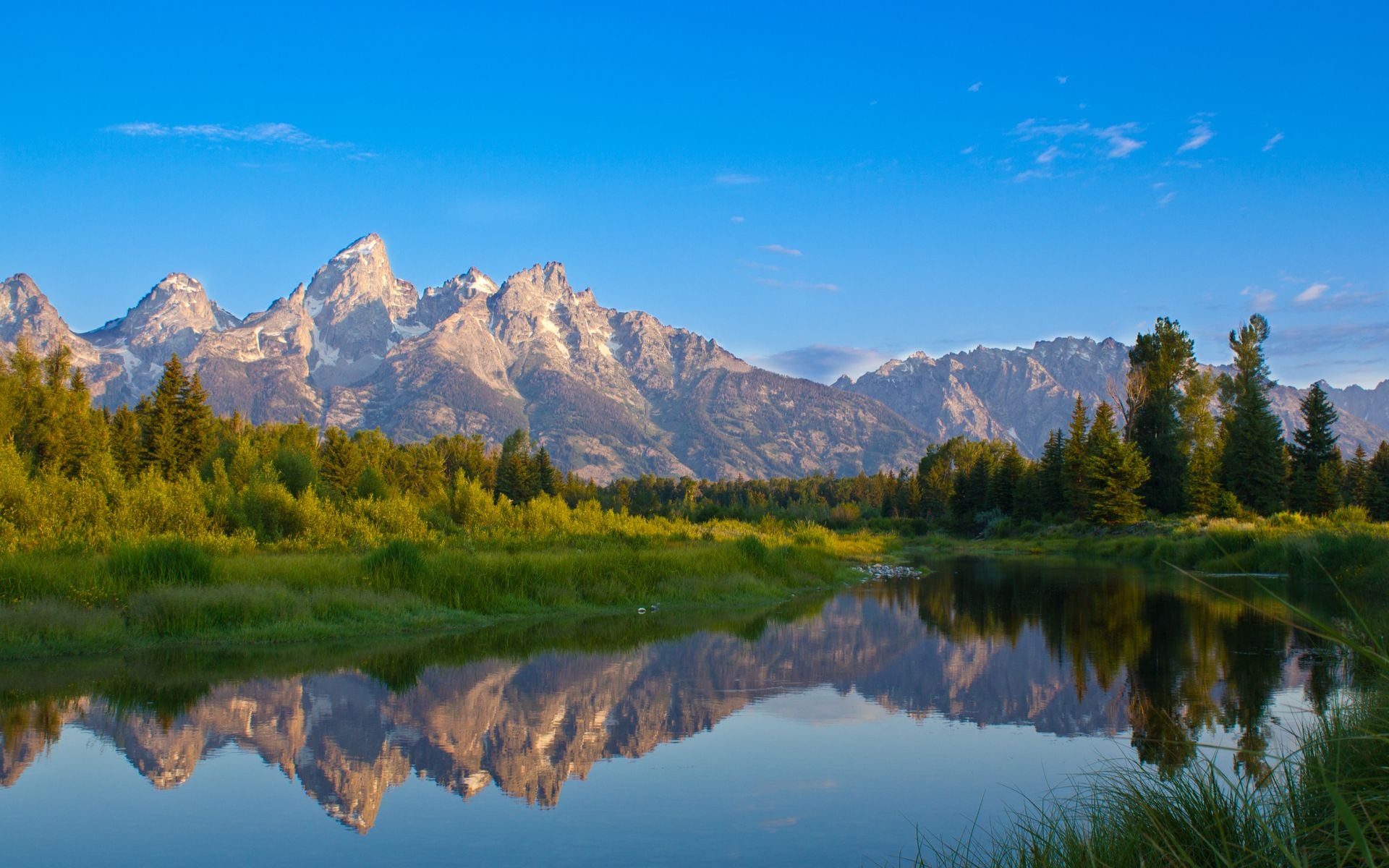
Three days means picking a corner. The most common version is flying into Jackson Hole Airport (JAC) and staying in the Jackson Hole and Tetons area. Day 1: drive the Teton Park Road, stop at Oxbow Bend in the morning for moose and great blue herons, then hike to Inspiration Point above Jenny Lake (round-trip about 4.5 miles). Day 2: float the Snake River or hike Taggart Lake, then spend the afternoon on Mormon Row photographing the Moulton Barns. Day 3: the town of Jackson, the elk-antler arches on the town square, and a morning at the National Elk Refuge. That is a complete, satisfying trip. It does not include Yellowstone at all.
The eastern version of a 3-day trip is flying into Yellowstone Regional Airport in Cody (airport code COD), spending a night in Cody for the Cody Nite Rodeo (which runs every evening June through August, tickets around $25 to $30), and then two nights at or near Yellowstone focused on Hayden Valley for bison and the occasional grizzly and Yellowstone Lake at the park’s south end. The East Entrance puts you about 52 miles from Cody. That routing skips Old Faithful, which is a real tradeoff but not a tragedy; Hayden Valley and the Grand Canyon of the Yellowstone are as compelling a two-day tour as the park offers. Read more about the best time to see Wyoming wildlife before you commit to a specific month, since animal activity shifts considerably between June and September.
What 5 Days in Wyoming Gets You
Five days is the trip most first-timers should plan if the goal is both national parks. A workable routing: arrive at JAC, spend Day 1 in Grand Teton (Oxbow Bend, the Teton Park Road, Colter Bay for the view north). Day 2: drive north through the park and enter Yellowstone at the South Entrance on US-89. Spend Days 2 and 3 in Yellowstone, covering Old Faithful and the Upper Geyser Basin on the first full day and Hayden Valley plus the Grand Canyon of the Yellowstone on the second. Day 4: drive east out the East Entrance toward Cody for a night, a straightforward 52-mile run on US-14/16/20. Day 5: fly home from COD or drive back south to Jackson, about 2.5 hours via the Wapiti Valley. For the full day-by-day routing of this trip, see 5 Days in Wyoming.
The most important logistics note for a 5-day parks trip: lodging inside Yellowstone books out months ahead for July and August. If you want the Old Faithful Inn, Lake Yellowstone Hotel, or Grant Village for a summer stay, you should be booking in January or February. If those options are already gone, West Yellowstone (just outside the West Entrance) and Gardiner (at the North Entrance via Livingston, Montana) are the two most practical alternatives, each with a full range of accommodations. The tradeoff is an added 30-to-60-minute drive each morning before you are inside the park.
The best time to visit Wyoming matters more for a 5-day trip than a shorter one, because you are trying to hit two parks and road conditions vary by month. June opens most of Yellowstone’s interior roads and the Teton Park Road north of Jackson Lake Junction, while late May can still mean mud and closed high-elevation sections. Early September is less crowded than July, the aspen starts to turn gold in the Tetons, and the September elk rut below the Teton Range is one of the better wildlife experiences in the state, with bulls bugling in the meadows near Moose and Antelope Flats.
What 7 or More Days Unlocks
A full week feels different from five days. You stop moving every night and start spending two nights in places, which changes the character of the trip considerably. A 7-day shape that works well: Days 1 and 2 in Jackson and Grand Teton. Days 3 and 4 in Yellowstone, entering the South Entrance and exiting the East Entrance. Day 5 in Cody, which has the best museum campus in Wyoming: the Buffalo Bill Center of the West encompasses five separate museums covering Plains Indian art, Western history, natural history, firearms, and the life of Buffalo Bill himself. Day 6: drive north from Cody on US-14A over the Bighorn Mountains to Sheridan, roughly 3 to 4 hours with a stop at the Medicine Wheel National Historic Landmark, a 74-foot-diameter stone circle at 9,642 feet that holds ceremonial significance for dozens of Indigenous tribes of the Northern Plains. Day 7: fly out of Gillette (GCC, with connections to Denver and Salt Lake City) or drive back to Cody.
Ten days or more opens up Wind River Country. The Wind River Range runs along the spine of central Wyoming and holds over 40 peaks above 13,000 feet, including Gannett Peak, the state high point at 13,809 feet. The range is accessed from Pinedale to the west and Lander to the southeast. Neither town shows up on most park-focused itineraries, and that is exactly why they are worth adding if you have the time. You can also fit in Hot Springs State Park in Thermopolis on the drive between Cody and Lander: soaking in the mineral water at the State Bath House is free, the travertine terraces along the Bighorn River are walkable in under an hour, and the Wyoming Dinosaur Center nearby is worth two hours. For a deeper look at how to split your time between the two big parks, Yellowstone vs Grand Teton: which to visit breaks down the case for each.
Factors That Change the Math
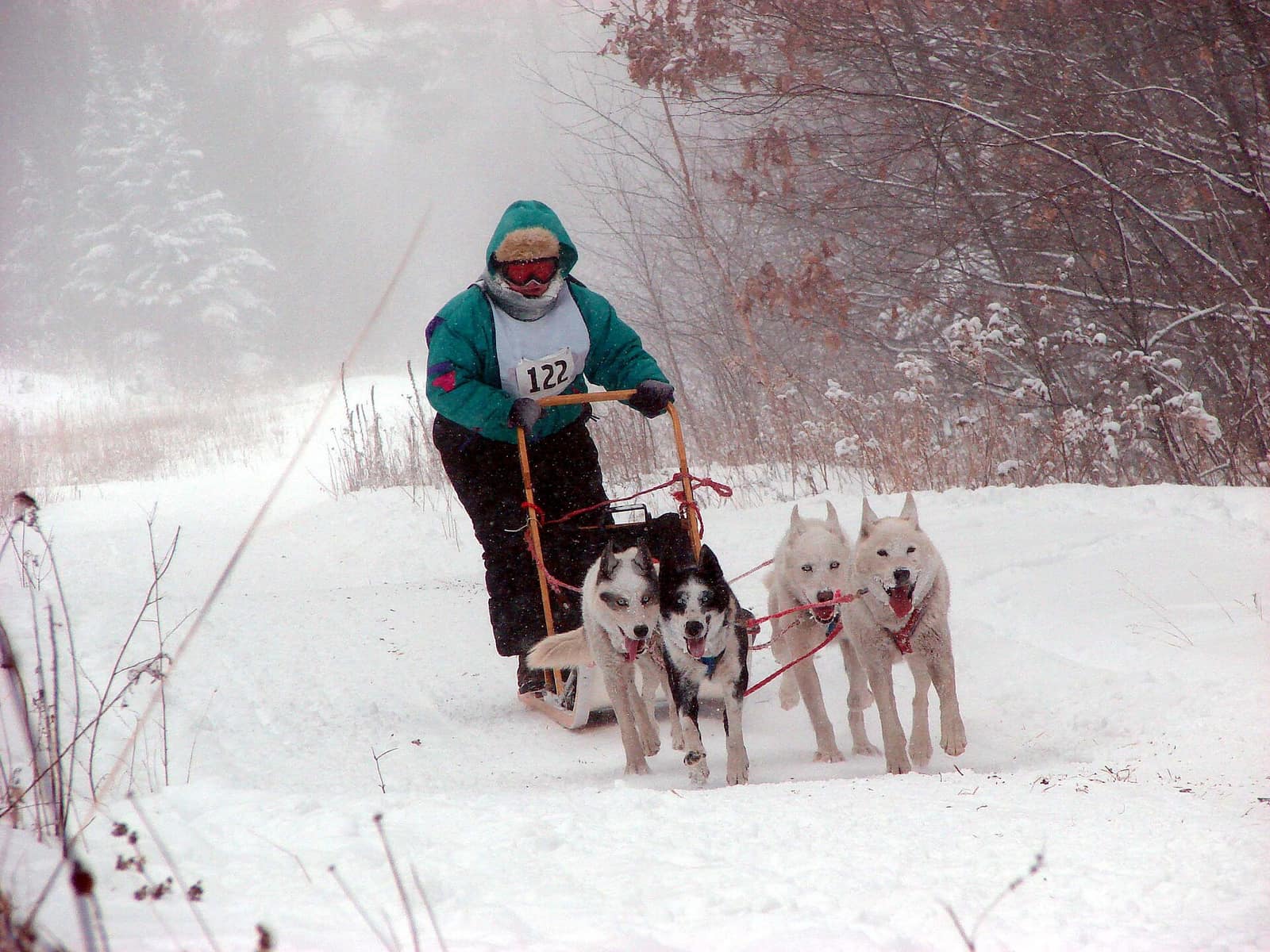
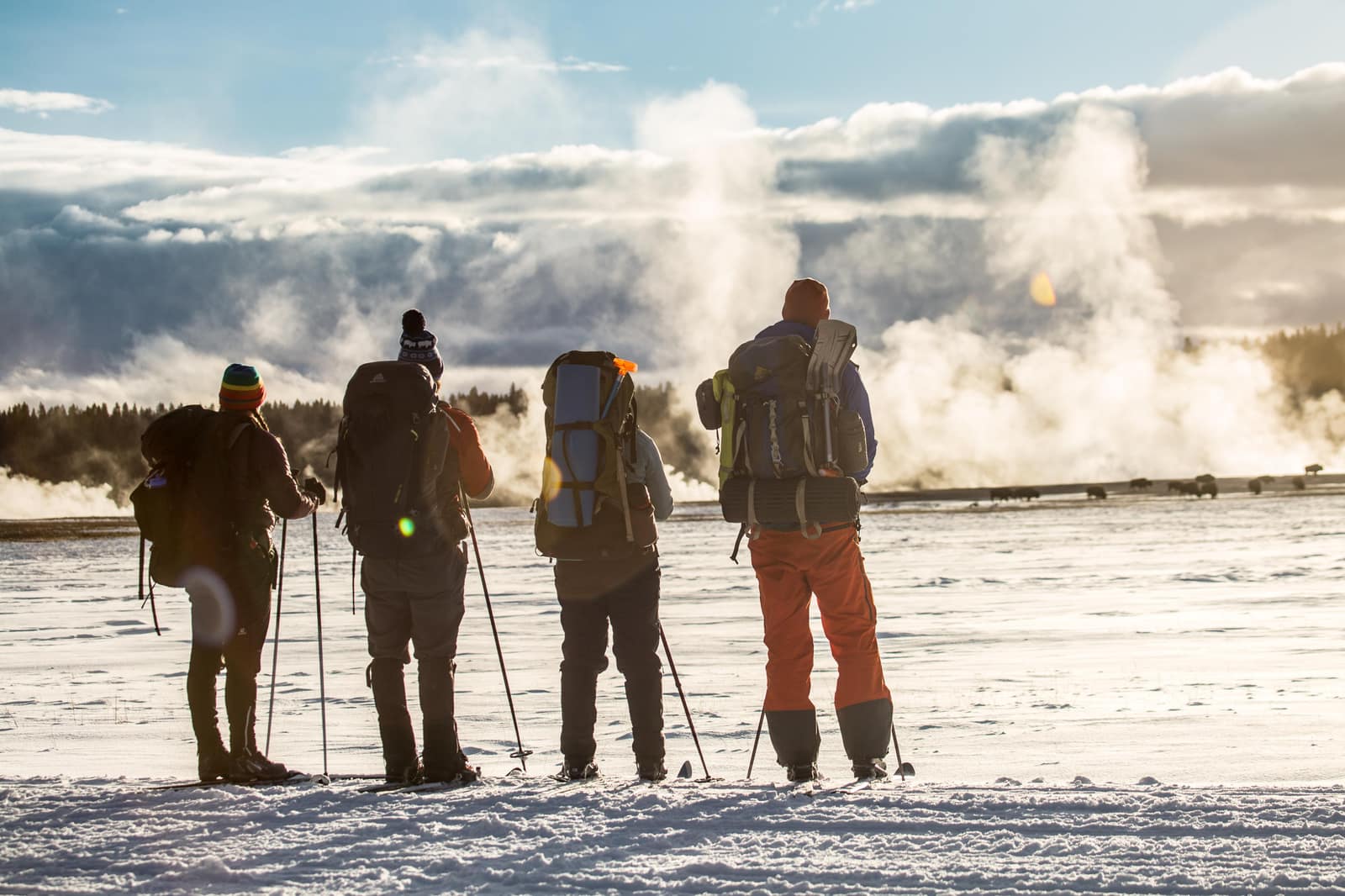
Season affects how many days you need. Most of the Teton Park Road and Yellowstone’s interior roads close to cars from early November through late April, so a winter trip concentrates on Jackson Hole Mountain Resort (served by JAC) and snowmobile tours into the Yellowstone backcountry. A ski trip at Jackson Hole works in 4 to 5 days without much driving pressure. A parks road trip is a June-through-September proposition, with late May and early October as shoulder months that offer fewer crowds but carry the risk of a closed pass or a storm that drops snow on any road above 7,000 feet.
How you fly in changes the effective trip length. Flying into JAC puts you 30 minutes from Grand Teton National Park. Flying into Denver International (DEN), which often has lower base fares, costs 5 to 6 hours of driving to reach Jackson. Flying into Salt Lake City (SLC) is about 4.5 to 5 hours to Jackson, and SLC typically has more flight options than COD or JAC. If you land at SLC or DEN for a 5-day trip, the honest effective trip length is closer to 3.5 days after you account for both drive days. That changes the calculus toward flying direct into JAC or COD if the price difference is under $200 per person.
The type of trip also shapes the day count. Backpackers heading into the Wind River Range for a Cirque of the Towers loop are looking at a 6-to-9-day backcountry trip plus travel days on either end. Dude ranch stays near Dubois or Cody typically ask for a 3-night minimum and are designed to be immersive rather than mobile. A road trip that touches Jackson, Yellowstone, Cody, Sheridan, and back needs at least 8 days to avoid spending more time in the car than anywhere else. Wyoming is a big state on purpose; give it the time it asks for.
Frequently asked questions
Is 3 days enough to see Yellowstone?
Three full days inside Yellowstone is a solid focused visit. You can cover Old Faithful and the Upper Geyser Basin, the Grand Canyon of the Yellowstone at Artist Point, and Hayden Valley for bison and grizzlies in that time. What you give up is the north loop through Mammoth Hot Springs and Lamar Valley, which is the best stretch for wolf and bear watching but sits at the park’s farthest corner from the South Entrance. If Lamar Valley is the priority, plan 4 to 5 days for Yellowstone alone and skip Grand Teton on this trip.
Can I see both Yellowstone and Grand Teton in 5 days?
Yes, and that is the most common Wyoming first-trip structure. The standard route enters Grand Teton from Jackson, spends a day in the Tetons, drives north into Yellowstone via the South Entrance, covers two days in the park, and exits east toward Cody. The tradeoff is that you are moving hotels almost every night. Some people find that pace energizing; others find it tiring. If you want a slower trip, choose one park and go deep on it rather than racing between both.
How much driving should I expect on a Wyoming trip?
More than most people budget. Jackson to Cody takes about 2.5 hours in summer via the Wapiti Valley corridor. Sheridan to Jackson is around 4 to 5 hours by the most direct route. Cody to Cheyenne is close to 4 hours south on US-20 to I-25. There is no statewide transit network and rideshare is limited outside the larger towns, so every move between regions means time behind the wheel. Build at least one honest driving day into any itinerary that covers more than one region, and check road status before crossing any high pass between October and June.