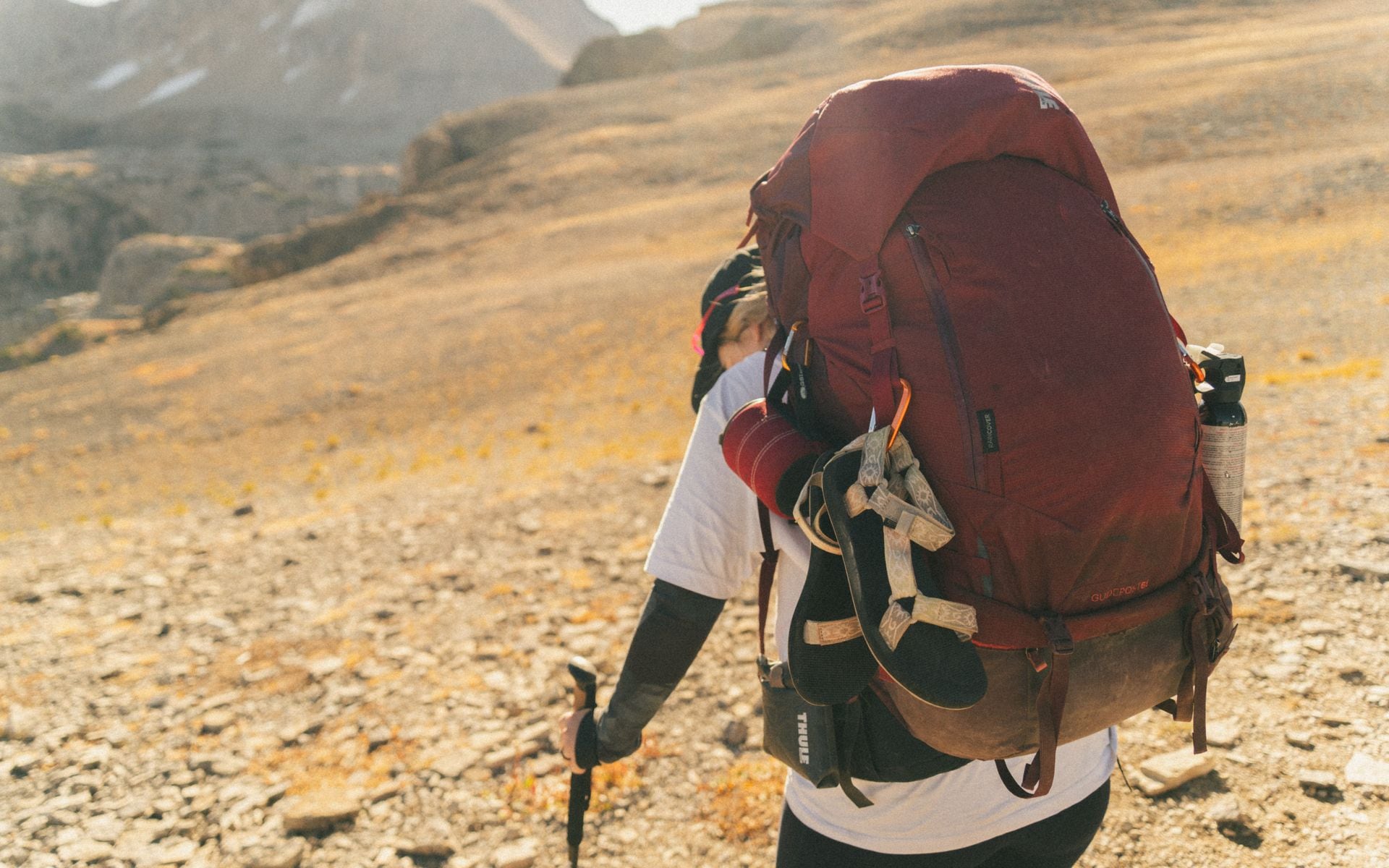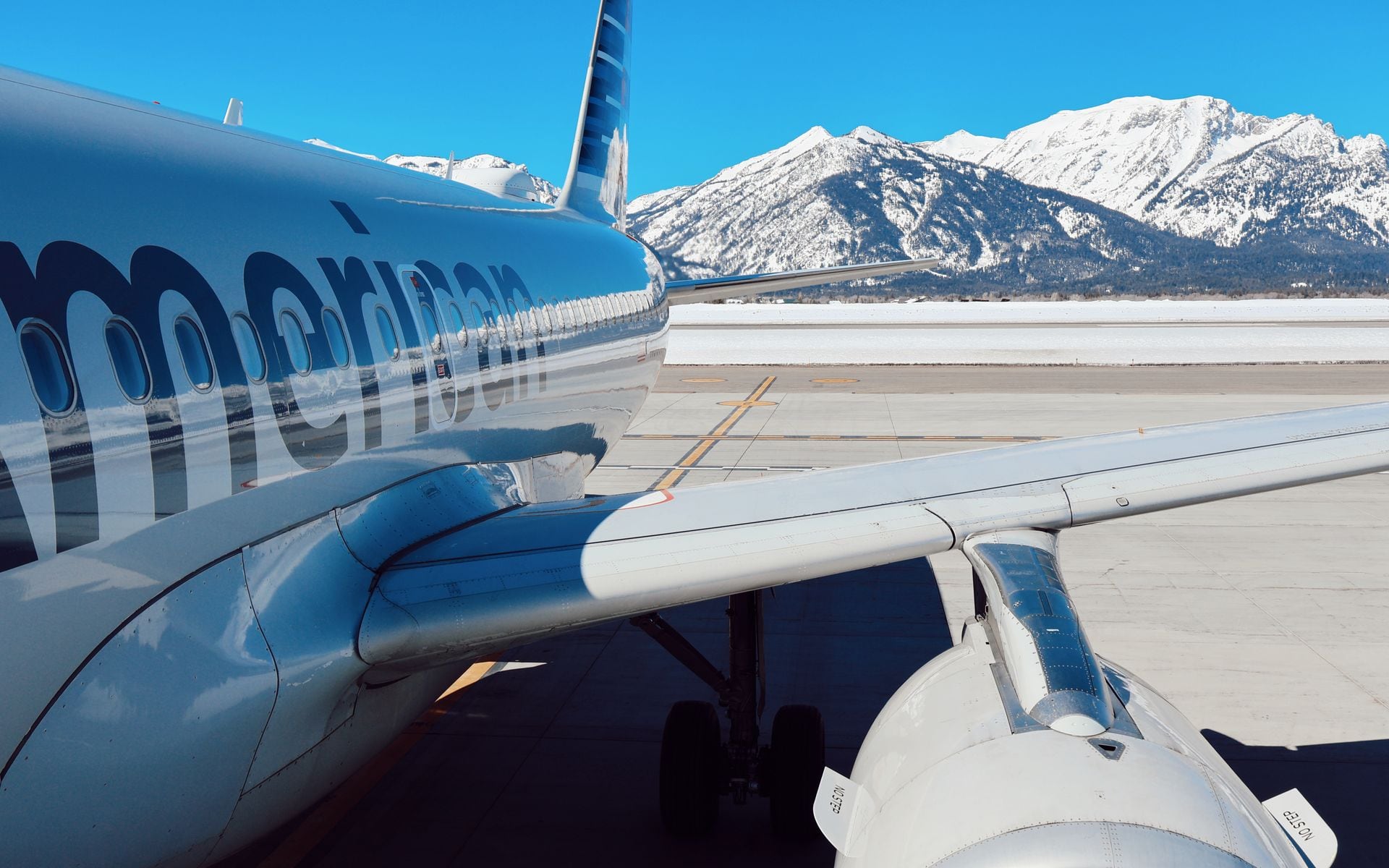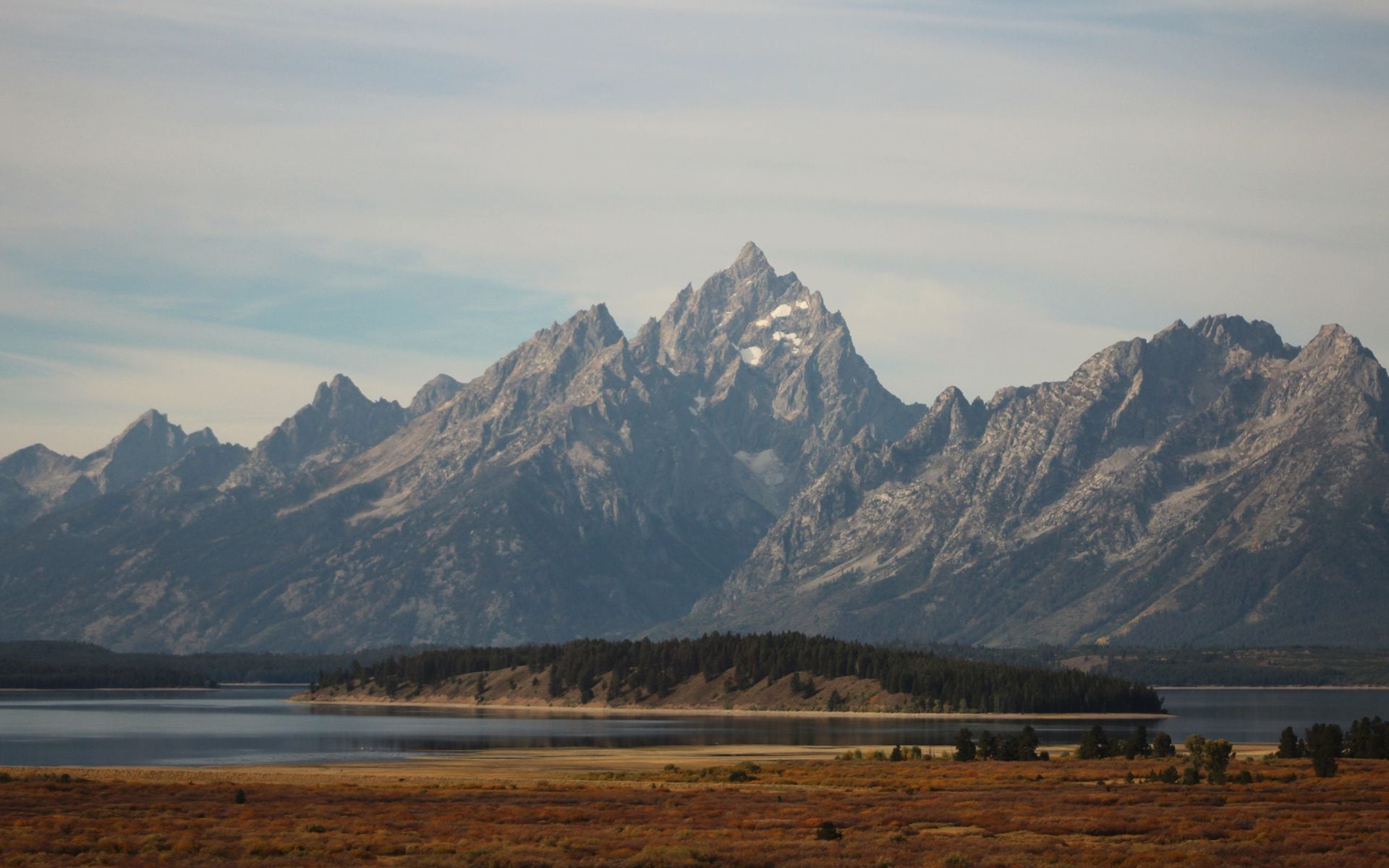
Both parks share a border in northwest Wyoming, but they offer completely different experiences. Here is a clear breakdown to help you decide where to spend your days, and whether you should try to do both.
The Short Answer
If you have three days or fewer, pick one park and do it well. For most first-time visitors arriving at Jackson Hole Airport (JAC), Grand Teton is the logical choice: the main south gate is 12 miles from downtown Jackson, and you can cover Jenny Lake, the Teton Park Road, and a Snake River float in two solid days. Yellowstone rewards slow exploration, and trying to rush through 2.2 million acres in a day or two means you will miss most of what makes it worth the drive.
If you have five days or more, do both. The two parks share a boundary connected by the John D. Rockefeller Jr. Memorial Parkway, a 7.5-mile corridor that links the Teton gate to Yellowstone’s South Entrance. No extra admission, no gap in access, just a straight drive north. That combined trip is one of the best road-trip routes in North America, and the detailed Yellowstone vs Grand Teton planning guide on this site walks through the logistics.
What Each Park Contains
Yellowstone spans 2.2 million acres across Wyoming, Montana, and Idaho, and sits on top of one of the world’s largest active volcanic calderas. Old Faithful erupts roughly every 90 minutes and is the most-visited thermal feature, but Grand Prismatic Spring, the Grand Canyon of the Yellowstone, and the wolf and bison country of Lamar Valley are each worth full half-days on their own. The park is big enough that it takes about one hour to drive from the South Entrance to Old Faithful, and nearly two hours from the South Entrance to Lamar Valley in the northeast corner. Budget time accordingly.
Grand Teton is smaller at roughly 310,000 acres, but the scale of the mountains compensates for the compact footprint. The Teton Range rises 7,000 feet above the valley floor with no foothills in between, which produces the wall-of-granite effect that photographers chase from Oxbow Bend and the Snake River overlook. Jenny Lake, String Lake, Mormon Row’s historic barns, and Jackson Lake are all within 20 to 30 minutes of the south gate. The park is easier to navigate in a shorter window than Yellowstone, and you can cover its highlights without the complex loop-road planning Yellowstone demands.
Wildlife: Different Animals, Different Strategies
Both parks rank among the best wildlife destinations in the lower 48, but what you are likely to see differs meaningfully. Yellowstone’s Lamar Valley, along the Northern Range road between Cooke City and Mammoth Hot Springs, is the most reliable place in the contiguous United States to see gray wolves in the wild. Bison herds of several hundred animals are common along that corridor, and grizzly bears appear regularly near open meadows from late April through October. Pull-outs along the road fill with spotting scopes and tripods at first light; the local wolf-watching culture is specific to this valley and exists nowhere else in the park system.
Grand Teton holds more moose per square mile than almost anywhere in Wyoming. The willow flats and wetlands along the Snake River between Moose Junction and Jackson Lake Lodge are the place to look, especially in early morning from late May through September. The National Elk Refuge just outside Jackson is another standout: up to 11,000 elk winter there between October and April, and the refuge runs horse-drawn sleigh rides through the herd from January through March. That sleigh ride is one of the most Wyoming-specific experiences in the region and is worth planning your winter trip around. For full seasonal timing, see our guide on the best time to see wildlife in Wyoming.
Hiking: Scale vs Intensity
Yellowstone’s best hiking is spread across the park. Fairy Falls (5 miles round trip, with an option to detour up to the Grand Prismatic overlook) is one of the best single-day hikes in the park. Mount Washburn is a 6-mile round trip to a fire lookout with wide views of the caldera. The thermal basin boardwalks at Norris, Midway, and Upper Geyser Basin are the most-walked surfaces in the park and are entirely flat but congested in July and August. Stay on boardwalks in thermal areas; the thin crust over superheated ground has seriously injured visitors who stepped off the marked path.
Grand Teton’s trails climb harder and faster. The Cascade Canyon trail from Jenny Lake Boat Dock is 3 miles round trip to Hidden Falls and Inspiration Point, or 9 miles if you push through to the canyon junction and loop back. Taggart Lake (3 miles round trip) is flat and beginner-friendly, with the Teton wall as a backdrop the whole way. For the classic alpine shot, the Amphitheater Lake trail above Lupine Meadows climbs 3,000 feet in 4.8 miles each way. Hidden Falls is a specific tip: take the ferry from the east dock ($20 round trip, estimated) instead of hiking the lake’s shoreline trail, and you reach the falls in 15 minutes rather than an hour each way.
Crowds and Best Time to Go
July and August bring the biggest crowds to both parks. Yellowstone’s Old Faithful boardwalk can see 30,000 visitors per day in peak summer, and afternoon backups on the Grand Loop Road are common. Grand Teton’s Jenny Lake trailhead fills by 8 a.m. on summer weekends, and the Teton Park Road slows in the same window.
The shoulder seasons differ between the two parks. Yellowstone’s narrowest shoulder is May (roads reopen to cars typically in mid-April to late April depending on snowpack) and September. The North Entrance near Mammoth is the only gate open to cars year-round; every other entrance closes from early November to late April. Grand Teton’s outer roads stay open, but the inner Teton Park Road closes to cars from roughly November through late April. September is the best single month to visit both parks: the elk rut peaks in late September in the valley below the Tetons, wolf activity picks up in Yellowstone, crowds thin significantly after Labor Day, and lodging prices drop. For a full breakdown of timing across the year, see when to visit Wyoming.
Costs and Fees
Both parks accept the America the Beautiful interagency annual pass at $80 per year, which covers entrance to both. If you are buying a single-park vehicle pass, each charges approximately $35 for 7-day access (estimate; check recreation.gov for current fees). The pass covers the vehicle and all passengers, so for families or groups it is the most cost-effective option.
Lodging inside the parks is where costs add up. Yellowstone options range from roughly $120 per night (estimate) for a basic cabin at Roosevelt Lodge to $350 or more per night at Old Faithful Inn in July (estimate). Grand Teton’s Jenny Lake Lodge runs above $700 per night, all-inclusive (estimate); Signal Mountain Lodge and Headwaters Lodge at Flagg Ranch are more accessible at roughly $250 to $400 per night in summer (estimate). Jackson, 12 miles from the Teton entrance, adds more choices: from budget motels around $150 to $200 per night to boutique hotels well above $500 per night, all estimated summer rates. For a fuller picture of what Wyoming trips cost, see is Wyoming expensive to visit.
Side-by-Side: Yellowstone vs Grand Teton
FeatureYellowstoneGrand TetonSize2.2 million acres310,000 acresBest forGeothermals, wolves, big wildlife drivesMountain views, hiking, moose, photographyMinimum days recommended3 to 4 days1 to 2 days7-day vehicle pass (estimate)$35~$35Closest Wyoming airportCody (COD), 52 miles to East EntranceJackson Hole (JAC), 12 miles to south gateWinter accessNorth Entrance only (cars); snowmobile and snowcoach availableOuter roads open; inner Teton Park Road closed to cars Nov–AprWildlife highlightsWolves, bison herds, grizzlies in Lamar ValleyMoose along Snake River corridor, elk, bearsConnected?Yes, via John D. Rockefeller Jr. Memorial Parkway
Which One Should You Choose
The useful frame is not which park is better. It is what you want to prioritize in the days you have. Yellowstone rewards patience: a morning in Lamar Valley watching wolves hunt, or an hour watching the Grand Prismatic change color as the light shifts, are experiences that belong to Yellowstone and nowhere else. Grand Teton rewards photographers, hikers, and people who want powerful mountain scenery without routing around a 2.2-million-acre grid of roads.
If you are flying into JAC with five or six days, the split that works best in practice is two days in Grand Teton, then three in Yellowstone entering through the South Entrance and looping through Old Faithful, the Grand Canyon of the Yellowstone, and Lamar Valley before exiting through the East Entrance toward Cody (COD) for your return flight. That itinerary covers both parks without backtracking. See everything the Wyoming Travel Guide has to say about planning that kind of combined trip before you book.
Frequently asked questions
Can you visit both Yellowstone and Grand Teton on the same trip?
Yes, and most visitors to northwest Wyoming do exactly that. The two parks are connected by the John D. Rockefeller Jr. Memorial Parkway, a 7.5-mile corridor between the Teton north boundary and Yellowstone’s South Entrance. No gap in road access and no additional entry fee. A common combination is two days in Grand Teton followed by three in Yellowstone, entering through the South Entrance and exiting via the East Entrance toward Cody.
Which park is better for families with young children?
Grand Teton is generally more manageable for families with young kids. The driving loops are shorter, the trailheads are close together, and beginner-friendly hikes like Taggart Lake (3 miles round trip, mostly flat) and the Jenny Lake shoreline trail work well for shorter attention spans. Yellowstone’s Old Faithful boardwalks are pram-accessible and don’t require hiking, but the scale of the park makes logistics harder when traveling with small children. That said, kids typically love Old Faithful and the bison jams in Hayden Valley, so Yellowstone is still worth considering if you allow enough days.
Do you need reservations to enter Yellowstone or Grand Teton?
As of 2024, neither Yellowstone nor Grand Teton requires a timed-entry vehicle reservation to drive in. However, in-park lodging and campgrounds book months in advance for summer dates. If you plan to stay inside either park, check the park service reservation system and the park concessionaire sites in January for peak summer dates. Backcountry permits for both parks require advance applications. Day visitors can show up without a reservation, though parking at popular trailheads like Jenny Lake fills by 8 a.m. on summer weekends.
What is the best month to visit Yellowstone and Grand Teton?
September is the strongest single month for both parks. Crowds thin after Labor Day, temperatures are mild (highs in the 50s to 60s Fahrenheit in the valleys), the elk rut peaks in late September around the Tetons and the Madison and Firehole valleys in Yellowstone, and lodging prices drop. July and August deliver the best guaranteed road access and the most wildlife activity, but the crowds at Old Faithful and Jenny Lake are at their peak. May is good for Yellowstone if you want early wildlife sightings with minimal crowds, though some high-elevation roads may still be clearing snow.