Wyoming in fall comes down to two things: the elk rut and the aspen gold. The rut peaks from mid-September through early October in the valleys around Grand Teton and Yellowstone, and the big bulls are audible before sunrise from the roadsides. The aspen follow close behind, turning yellow-orange through late September and into the first week of October at lower elevations. Crowds drop sharply after Labor Day. Park entrance fees stay the same, but you’re not sitting in a July traffic jam at the south Moose entrance at 8 a.m., and a walk-in campsite is actually within reach.
The Elk Rut: What to Expect and Where to Go
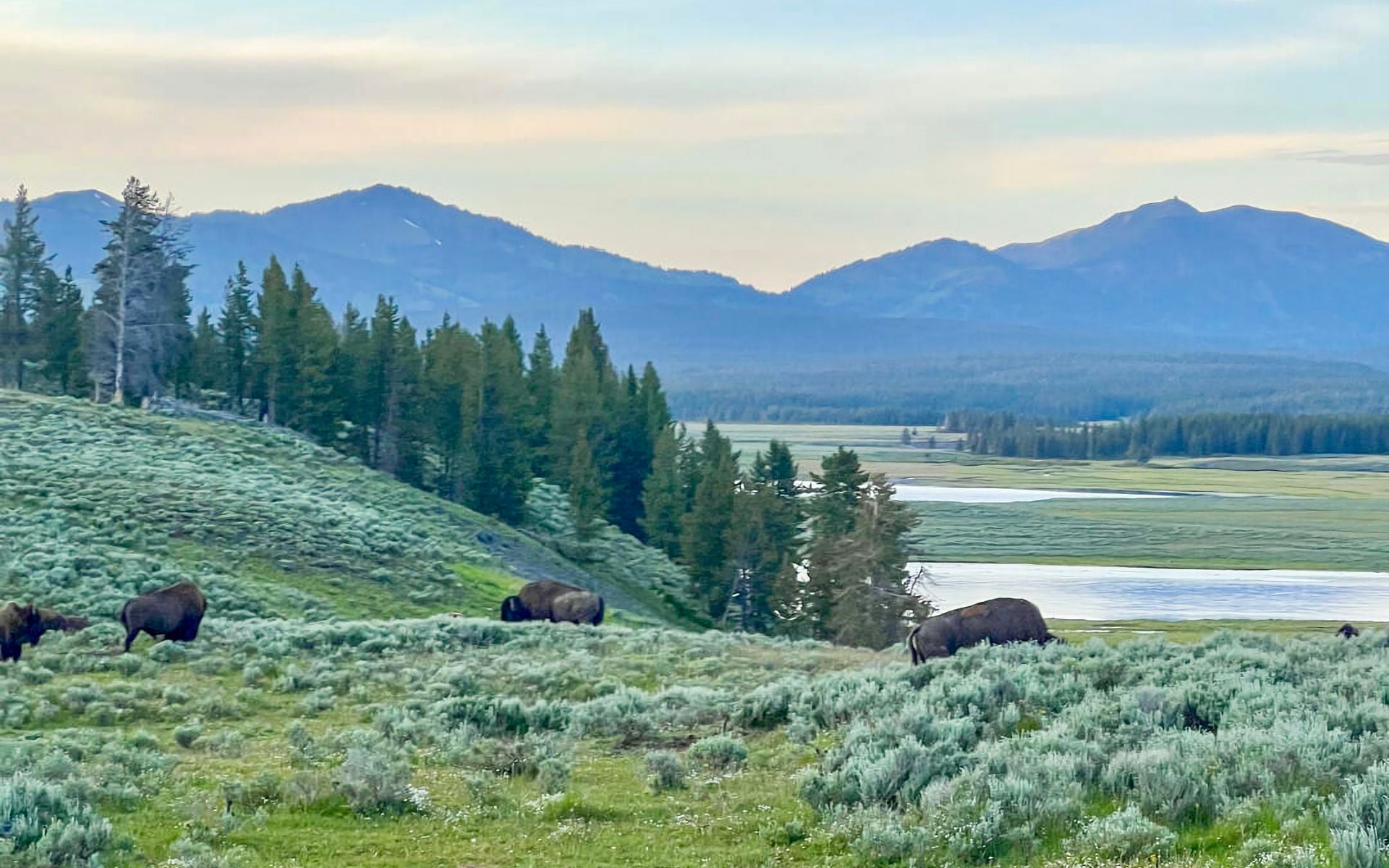
The North American elk rut is one of the more dramatic wildlife events you can drive to without a backcountry permit. Bulls bugle, spar, and chase cows through the sage flats and timber edges, and the behavior is easiest to observe from a vehicle or an established pullout. In Grand Teton National Park, the area around Antelope Flats Road, Moose Junction, and the open sagebrush north of Jackson along US-89 sees strong rut activity from mid-September through early October. Come at first light: you’ll hear the bulls bugling across the valley before you see them, sometimes from a mile out.
Yellowstone adds grizzly and wolf encounters layered on top of elk-rut watching, especially along the Lamar Valley road in the northeast corner. Lamar is the most reliable predator-watching corridor in the Greater Yellowstone ecosystem, and September is when wolves and grizzlies are moving before denning season. Plan to be at a pullout in Lamar by 6:30 a.m. Scope quality matters: a 20-60x spotting scope is what the regulars bring, and most of them have been out here for years. The Wyoming wildlife watching page covers guided tour options if you’d rather not navigate the logistics alone.
The National Elk Refuge in Jackson does not concentrate elk in the fall. The herd is still on summer range and moves to the refuge floor in November. Come November through March for the sleigh ride and a herd of 8,000 to 11,000. In September and October, go north into the parks.
Aspen Color in Wyoming
Wyoming’s aspen are in full color from roughly the last week of September through the second week of October at valley-floor elevations (6,000 to 7,500 feet). Higher ground turns earlier: passes above 9,000 feet can see peak color in the second week of September.
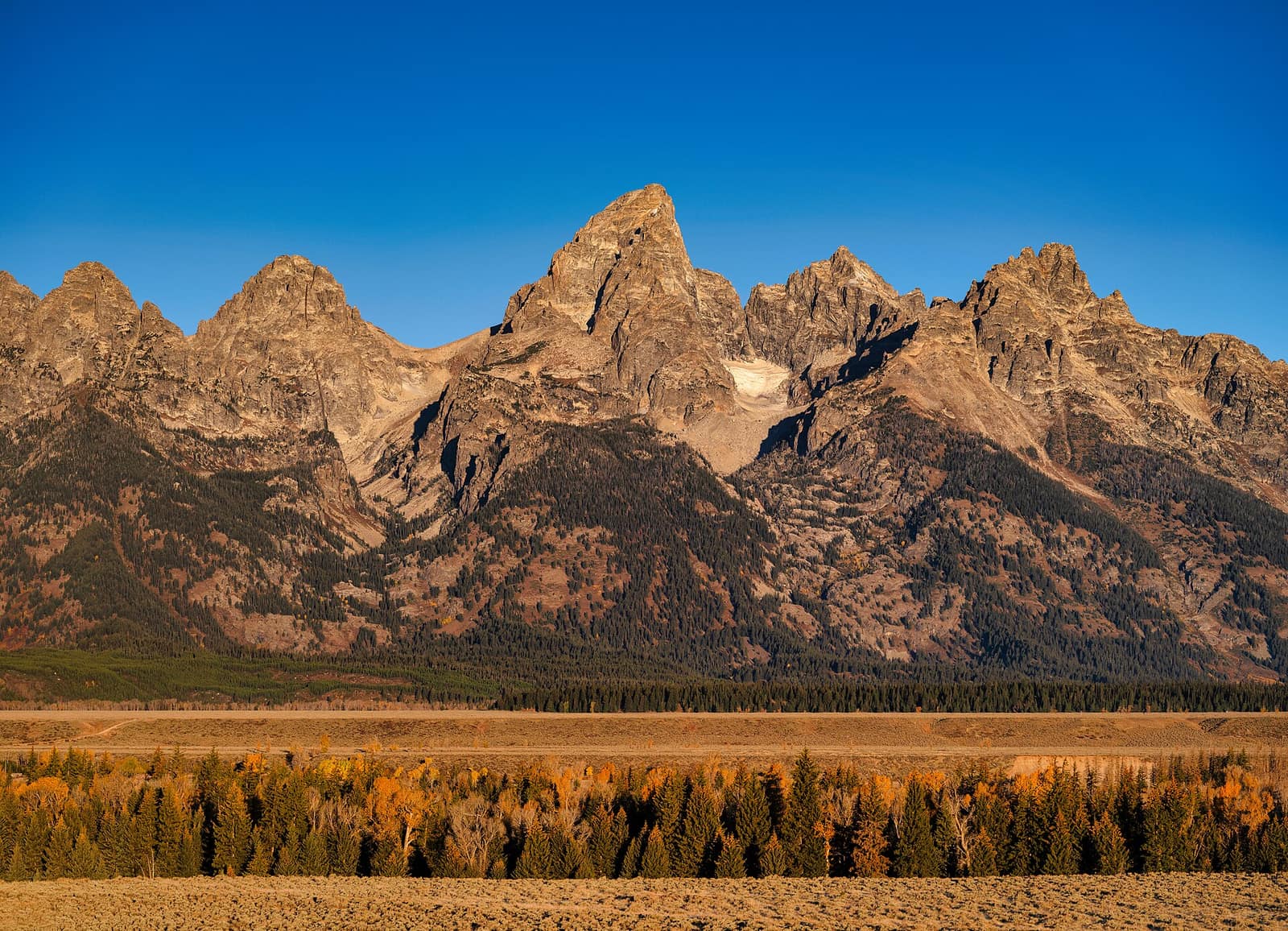
The stretch of US-89/191 through Grand Teton is one of the better aspen drives in the state. Cottonwoods along the Snake River also go gold in October, and the river-bottom trees flanking the Snake between Wilson and Moose can turn the whole valley floor orange from a distance. Farther east, the Bighorn Mountains above Sheridan hit solid aspen color along US-14 through Tensleep Canyon in late September. The Wind River Range has aspen running through the lower drainages around Lander and Pinedale, with peak color typically in the first two weeks of October at 7,000 to 8,000 feet.
None of Wyoming’s aspen color is predictable to the exact day. Check the Wyoming Game and Fish Department site or ask the ranger station in whichever region you’re heading to. A dry summer moves color earlier; a warm September pushes it later.
The Wind River Range in Fall
The high country of the Wind River Range, including the Cirque of the Towers and Titcomb Basin, is accessible in fall but requires serious planning. The high passes sit at 10,000 to 11,000 feet, and snow can close the trails in September. Most hikers who make it in are targeting the window between the mid-August crowds and the first serious October snowfall.
If you want a fall trip into the Winds without a multiday backpack, trailheads around Big Sandy Lodge (accessible from Pinedale via a long dirt road) and Elkhart Park give good day-hike access to subalpine terrain with aspen edges and spruce stands in color. The Big Sandy trailhead sits at 9,100 feet and sees a lot less foot traffic than the Cascade Canyon corridor in Grand Teton.
Lodging around the Winds in fall is easy to find and significantly cheaper than peak summer. Pinedale and Lander both have motels and small hotels in the $100 to $150 per night range. If you need backcountry permits, the Bridger-Teton National Forest and the Wind River Indian Reservation have separate permit systems for some routes; sort those out before you drive out.
Cody and the Eastern Approach
Cody sits at the east edge of the Yellowstone ecosystem at 5,000 feet, and fall is a good time to be there. The Cody Nite Rodeo closes after Labor Day, but the Buffalo Bill Center of the West runs through most of October. Five separate museums share one campus: firearms, western art, natural history, the Plains Indian Museum, and the Buffalo Bill galleries. Budget three to four hours minimum.
The drive from Cody to Yellowstone’s East Entrance follows the North Fork of the Shoshone River through Buffalo Bill State Park and some of the most dramatic canyon-and-reservoir scenery in the state. You gain roughly 4,000 feet in about 50 miles. In fall, cottonwoods in the Shoshone canyon go gold and the crowds on this entrance corridor are a fraction of summer. Yellowstone’s East Entrance typically closes to wheeled vehicles in early November, so October is the last real window before snowmobiles take over the interior.
The Cody and Yellowstone Country page covers the full region if you’re planning a multi-day eastern Wyoming base.
Road Closures, Shoulder-Season Lodging, and Weather
Fall is Wyoming’s shoulder season, which means two things: better value on lodging and services starting to close. Understand both before you go.
Grand Teton’s Teton Park Road (the inner park loop closest to the peaks) stays open to cars through November 1, then closes to wheeled vehicles until mid-April. The outer highway (US-89/191) runs year-round. Most park campgrounds close between September 30 and October 15. Jenny Lake Campground closes first; Gros Ventre, the largest, runs latest. The in-park lodges (Jenny Lake Lodge, Colter Bay, Signal Mountain) close between late September and mid-October. If you’re arriving in the second half of October, plan to stay in Jackson, not inside the park.
Yellowstone starts transitioning in October. Roads and services close in phases from early November, but October is still largely open to cars. The road from Gardiner (North Entrance) through the Lamar Valley to the Northeast Entrance is the last to close and stays accessible to wheeled vehicles into November most years. Check the NPS road status before you drive: nps.gov/yell/planyourvisit/hours.htm.
Temperatures from late September through October: daytime highs at park elevation (6,000 to 8,000 feet) run 40 to 60°F, with overnight lows frequently below freezing by October. Snow can fall at any point from mid-September on. Pack layers, a wind shell, and check the afternoon forecast before heading above treeline.
Jackson lodging in fall is meaningfully cheaper than summer. Mid-range hotels that run $300 to $400 in July often drop to $150 to $200 in early October. Options in Wilson and Victor (30 to 45 minutes from the park entrance) are even more affordable and give you a quieter base.
Timing Your Fall Trip
The practical window runs mid-September through mid-October. That stretch gives you the elk rut, aspen color at valley elevations, reasonable hiking weather, and manageable crowds.
A rough guide by priority:
- Elk rut and Lamar Valley wildlife watching: September 15 through October 5
- Aspen color in Jackson Hole and the Tetons: September 25 through October 10
- Aspen color in Tensleep Canyon and the Bighorns: September 20 through October 1
- Wind River Range trailhead hiking: September through early October, weather permitting
If you’re combining fall with a broader Wyoming trip, the best time to visit Wyoming page breaks down every season across the full state. For a winter counterpoint, Wyoming in winter covers what happens after the snow stays.