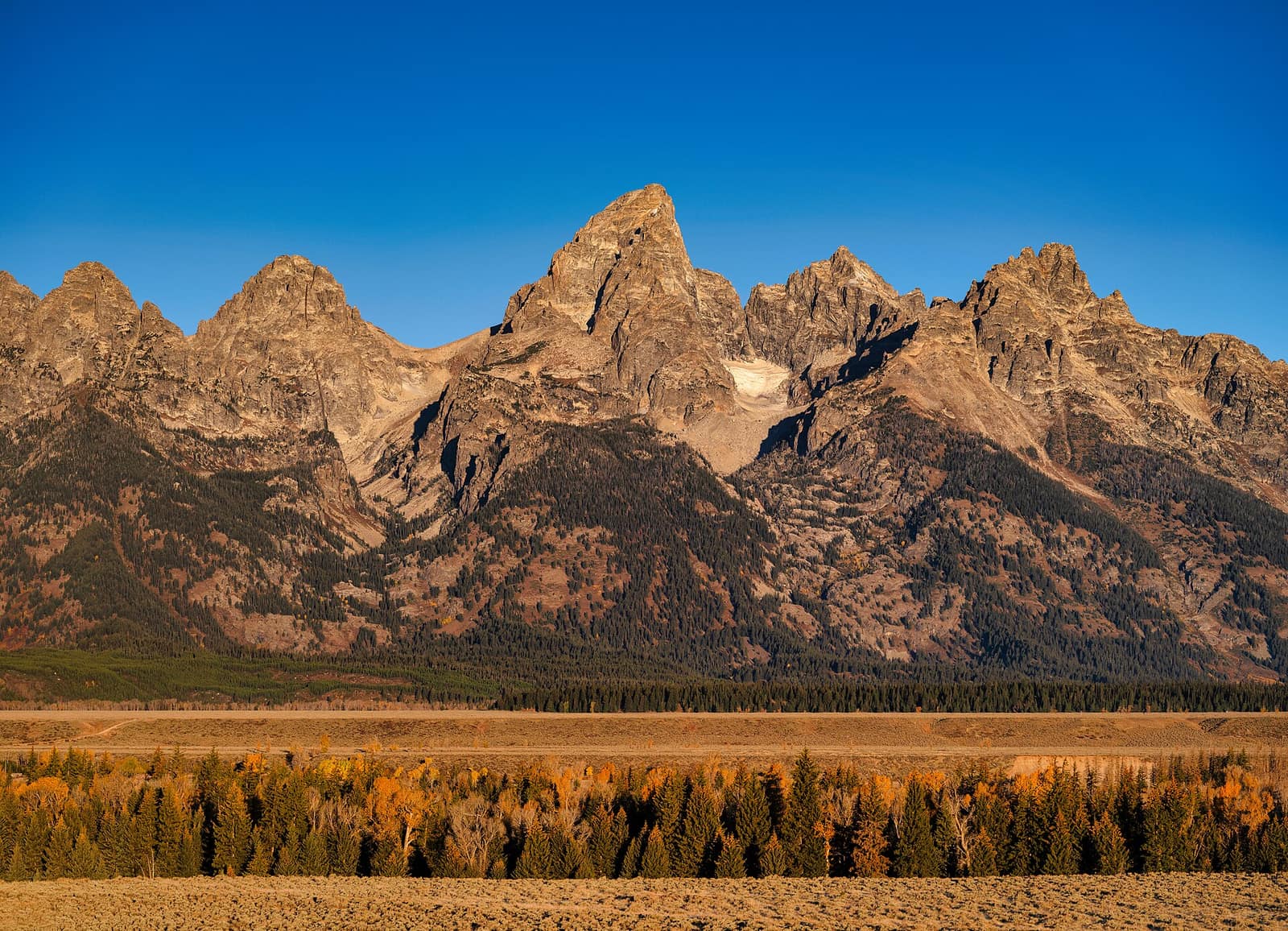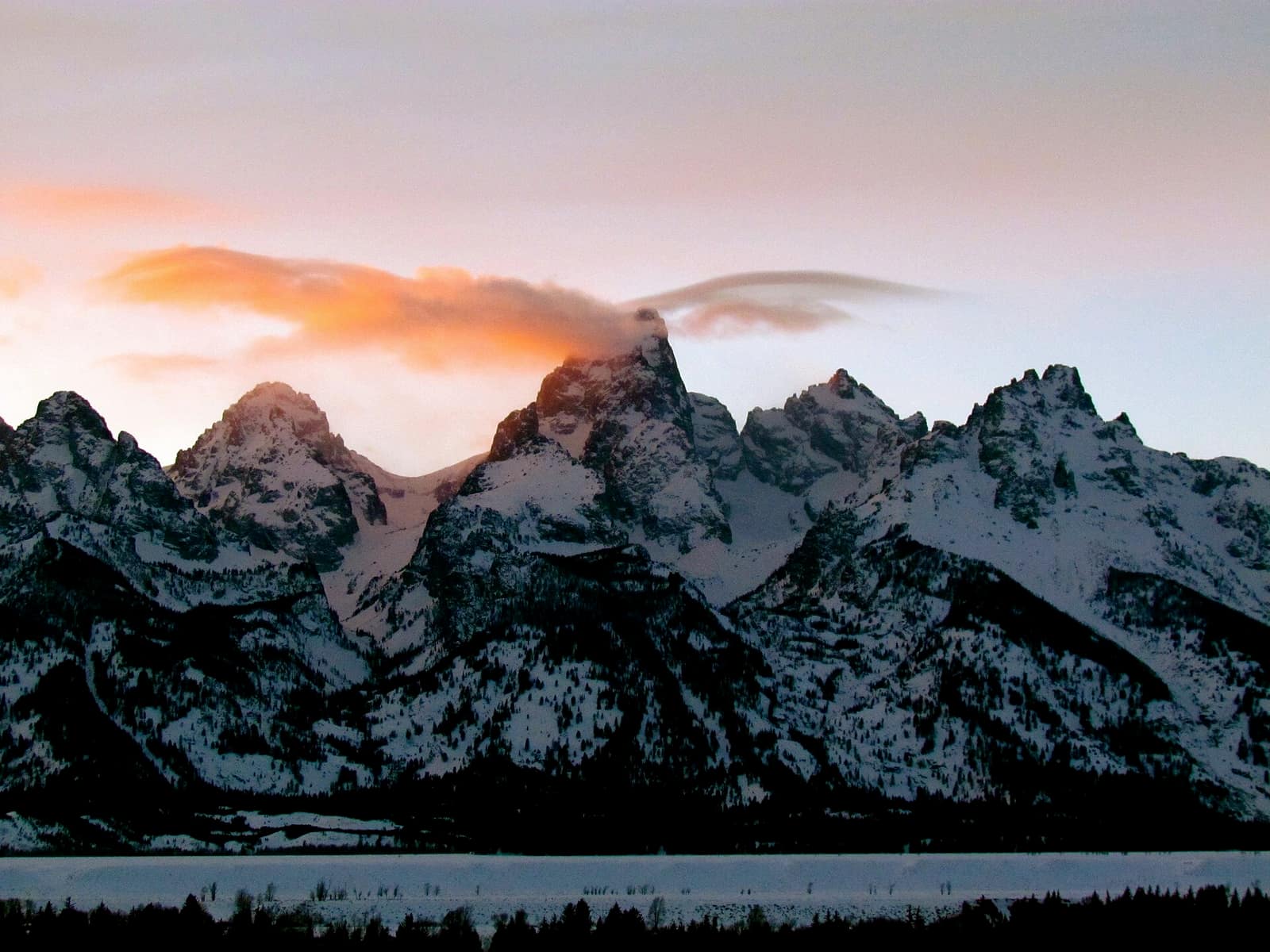
Winter draws a different crowd to Jackson Hole than summer does. The national park visitors and river floaters are gone. What’s left is a high-altitude valley at the foot of the Tetons that knows exactly what it’s doing in the cold months: 4,000 feet of ski vertical on Rendezvous Mountain, a frozen elk refuge running sleigh rides through a herd of several thousand animals, and a town that doesn’t slow down when temperatures drop. If your plan centers on skiing, you have one of the strongest mountains in the lower 48. If it doesn’t, there is still enough here to fill a week. This guide covers both cases.
What the Jackson Hole Winter Season Looks Like
The core season runs mid-November through late March, with the busiest and snowiest stretch from Christmas week through mid-February. Jackson Hole Mountain Resort typically opens in late November or early December depending on snowpack and closes in early to mid-April. Grand Targhee Resort, on the western slope of the Tetons near Alta, Wyoming, runs a similar window.
January and February are the coldest months. Lows in the valley reach single digits Fahrenheit overnight, and temperatures at elevation on the mountain drop well below zero with wind chill. Pack accordingly: a warm base layer, an insulating mid-layer, and a waterproof outer shell are not optional. January also brings the shortest days, with sunrise around 7:45 a.m. and sunset by 5:15 p.m.
Late February and March tend to offer a practical middle ground: the snow base is typically at its deepest, days are noticeably longer, and temperatures are a few degrees warmer. If your dates are flexible, this window often works better than peak January without losing much snow quality.
For a broader look at what Wyoming’s winter season involves across the whole state, see the Wyoming in winter overview.
Jackson Hole Mountain Resort: What to Know Before You Go
Jackson Hole Mountain Resort sits in Teton Village, about 12 miles north of the town of Jackson. It is a serious mountain: 4,139 feet of vertical, 2,500 acres, and a terrain mix that skews toward intermediate and expert runs. Corbet’s Couloir, a mandatory-entry couloir on the upper mountain, draws expert skiers from across the country. The Hobacks, wide-open runs off the back of the mountain, are some of the best sustained steep skiing in the state.
Day lift tickets typically run $220 to $350 (estimated range; verify at jacksonhole.com before booking), with prices highest on holiday weeks and weekends. Ikon Pass holders get access included. Buying tickets online in advance costs less than purchasing at the window on the day you ski. For multi-day trips, the resort sells packages that reduce the per-day cost.
The Aerial Tram from Teton Village to the Rendezvous Mountain summit takes about 12 minutes and tops out at 10,450 feet. On clear mornings the views from the top reach north into Grand Teton National Park and south down the valley. The tram line fills quickly on weekends; if you want to avoid the midday wait, plan to ski to it from the Bridger Gondola first thing in the morning.
Jackson Hole Airport (JAC) is about 20 miles from Teton Village and is the only commercial airport inside a U.S. national park. Rental cars are available at the terminal. You can be on the mountain within 45 minutes of landing, with no significant mountain pass between the airport and the base area. For specifics on flights and ground transport, see the guide to flying into JAC.
Grand Targhee and Snow King: When to Choose a Different Mountain
Jackson Hole Mountain Resort is the obvious anchor, but two other mountains deserve attention depending on what you are after.
Grand Targhee Resort sits on the western slope of the Tetons near Alta, Wyoming, about 42 miles from Jackson. It averages close to 500 inches of snow per season, more than almost any resort in the region. The mountain is smaller than JHMR and friendlier for intermediate skiers, but the snow quality on a powder day competes with anywhere in the Rockies. Day tickets typically run $100 to $175 (estimate), which is meaningfully less than JHMR. The approach from the Wyoming side requires driving over Teton Pass at 8,431 feet; the alternate route through Driggs, Idaho avoids the pass entirely and is worth knowing if conditions on the pass are bad.
Snow King Mountain sits at the edge of Jackson’s town square with 1,571 vertical feet and night skiing, making it practical for an evening session after a day in town. Day tickets typically run $60 to $100 (estimate). It’s the right choice if you want a few hours on snow without the drive to Teton Village, or if someone in your group is new to skiing and doesn’t need expert terrain.
For a full breakdown of Wyoming’s ski areas, see skiing and snowboarding in Wyoming.
The National Elk Refuge Sleigh Rides
The National Elk Refuge sits directly north of Jackson along US-191. It runs horse-drawn sleigh rides through its wintering elk herd from late December through March. Between 5,000 and 11,000 elk move onto the refuge’s 25,000 acres each fall and stay until spring snowmelt. The sleigh rides take you through the middle of the herd at close range, which is a different experience from spotting wildlife from a roadside pullout.
Tickets run approximately $25 to $30 per adult (estimate). Reserve in advance through the National Elk Refuge or at the National Elk Refuge and Greater Yellowstone Visitor Center in Jackson. Rides sell out around the holidays and on weekends, so booking a few days ahead is not overcautious. Each ride takes about 45 minutes to an hour.
If watching wildlife is part of your winter trip, the refuge is the most reliable Jackson Hole experience for it. The elk are present in large numbers from December through March, and the sleigh puts you within a few dozen yards of the herd. For seasonal wildlife timing across the broader region, see the best time to see wildlife in Wyoming.
Off the Mountain: What Jackson Does Well in Winter
Jackson is more functional in winter than many ski-town bases in the West. The town of Jackson, separate from Teton Village where the mountain base sits, has a real food and dining scene that operates year-round. Restaurants along Broadway Avenue and Cache Street are open, reservations are far easier to get than in July, and lodging rates outside the Christmas and Presidents Day holiday windows are often a third to half of what they are in peak summer.
A few other activities hold up well in the cold months:
Snowshoeing in Grand Teton National Park. The park’s outer roads stay open to cars in winter, and the park grooms some trails for cross-country skiing and snowshoeing. The Taggart Lake trailhead, about 14 miles north of Jackson, is accessible when roads are clear and leads to an easy loop through open terrain with the Teton wall as a backdrop. The park visitor center at Moose has current conditions and maps before you drive out.
Wildlife watching along US-26/89. The Snake River corridor south of Jackson toward Hoback Junction is worth a slow drive on winter mornings. Bald eagles concentrate along the river from December through February, feeding on spawned-out fish. Moose appear in the willow flats between the road and the river. Binoculars and a safe roadside pullout are all you need.
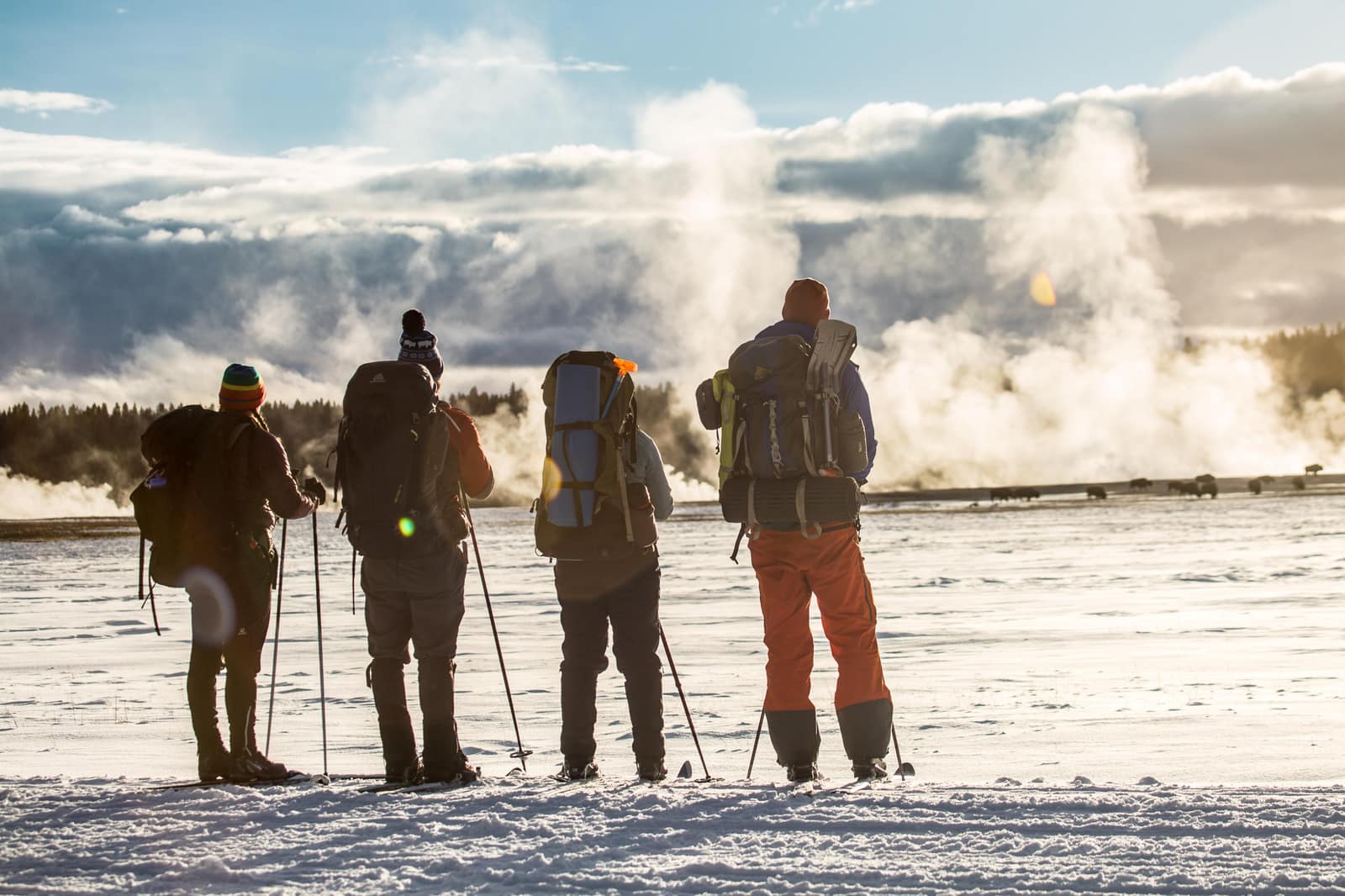
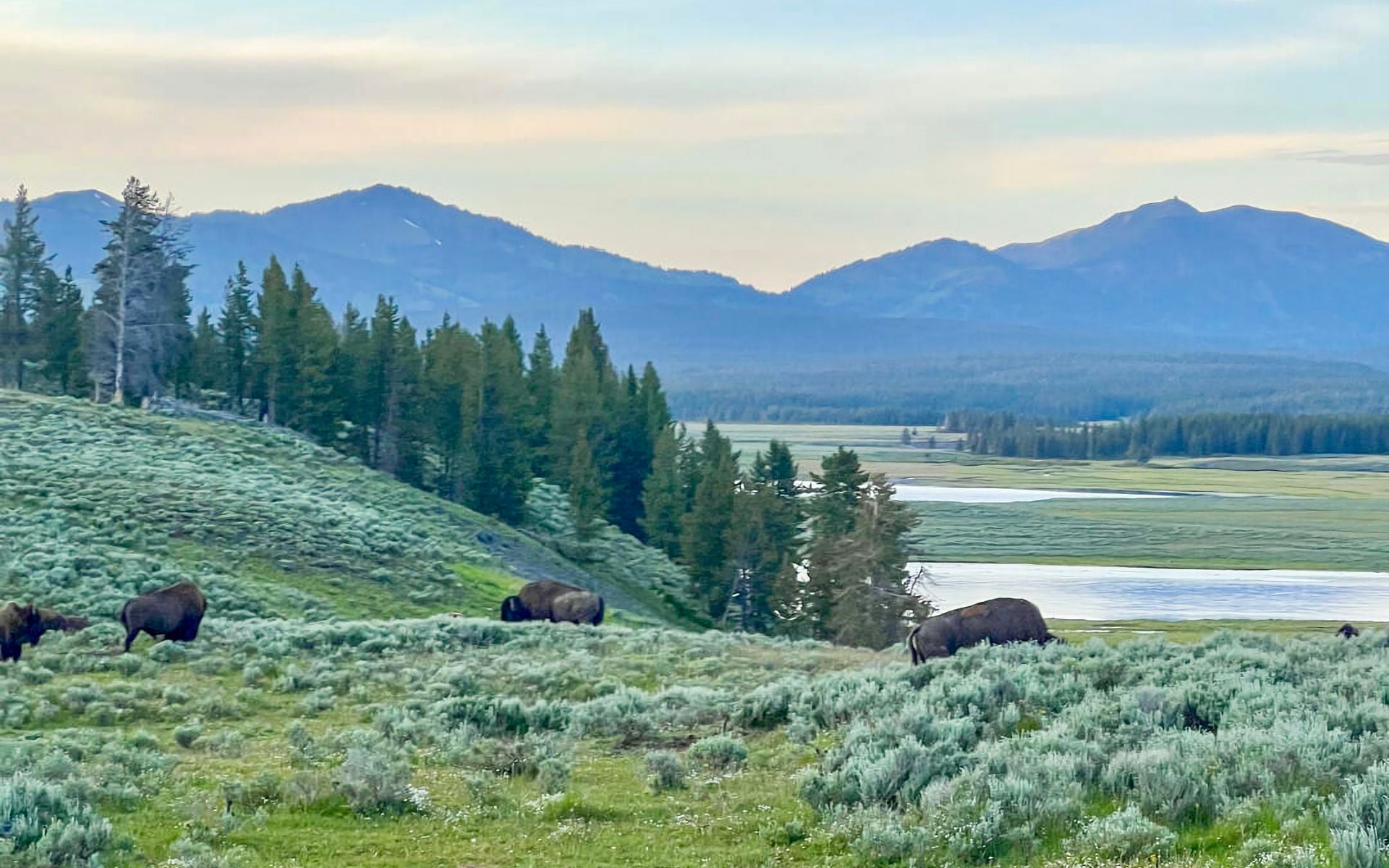
Snowcoach tours into Yellowstone. Yellowstone closes to private cars from early November through late April, but snowcoach and snowmobile tours run from Flagg Ranch, about 60 miles north of Jackson via US-191/89. A day tour reaches Old Faithful and the thermal basin, and prices run roughly $150 to $200 per person (estimate) depending on the route and operator. Wildlife spotting in winter Yellowstone is often easier than in summer: bison cluster near thermal areas and are visible from groomed roads, and wolves are active in Lamar Valley in the long cold months.
Getting In, Getting Around, and Where to Stay
The two main lodging zones are Teton Village, where you can walk to the mountain lifts, and downtown Jackson, about a 15-minute drive to Teton Village. Wilson, a small community between the two, offers a middle option at generally lower rates. If skiing is your primary reason for coming, Teton Village removes the daily drive and the parking situation at the base. If you plan to explore the town, do the elk refuge, or drive to Grand Targhee, staying in Jackson gives you a more practical base.
A rental car is effectively required for any itinerary that involves moving around the valley. Jackson Hole has a regional transit service called START Bus that runs shuttles between the town and Teton Village, but service timing makes a car the more reliable option for early mornings and airport transfers.
Check road conditions before any drive in winter. US-26/89 over Teton Pass can close during heavy storms and be icy when open. Wyoming DOT road conditions are updated at wyoroad.info. If you’re heading to Grand Targhee over the pass, carry chains in the trunk.
For day-by-day planning, the week in Jackson Hole itinerary is a starting point you can adapt to winter. The Jackson Hole and the Tetons region guide covers lodging options and what to prioritize based on how long you’re staying.
Frequently Asked Questions
How many days should you plan for a Jackson Hole winter trip?
A ski-focused trip works well at four to six days: enough for three to four days at Jackson Hole Mountain Resort, one day at Grand Targhee or Snow King, and time for the elk refuge and a wildlife drive. If you’re adding a snowcoach day into Yellowstone from Flagg Ranch, build in a seventh day. Those tours run about eight hours including the drive from Jackson.
Is Jackson Hole Mountain Resort good for beginners?
The mountain skews expert: roughly half the terrain is rated black diamond or double black diamond. There are beginner and intermediate areas off the Bridger Gondola and on the lower mountain, and the resort runs ski school at all levels. But if a beginner is the primary traveler in your group, Snow King is a less expensive and less intimidating starting point.
What is there to do in Jackson Hole in winter besides skiing?
The National Elk Refuge sleigh rides are the clearest non-ski answer. Beyond that: snowshoeing in Grand Teton National Park, bald eagle watching along the Snake River, restaurants and galleries in Jackson town, and snowcoach tours into Yellowstone from Flagg Ranch. The valley has enough for a full week without touching a ski run, though most visitors who make the trip do both.